
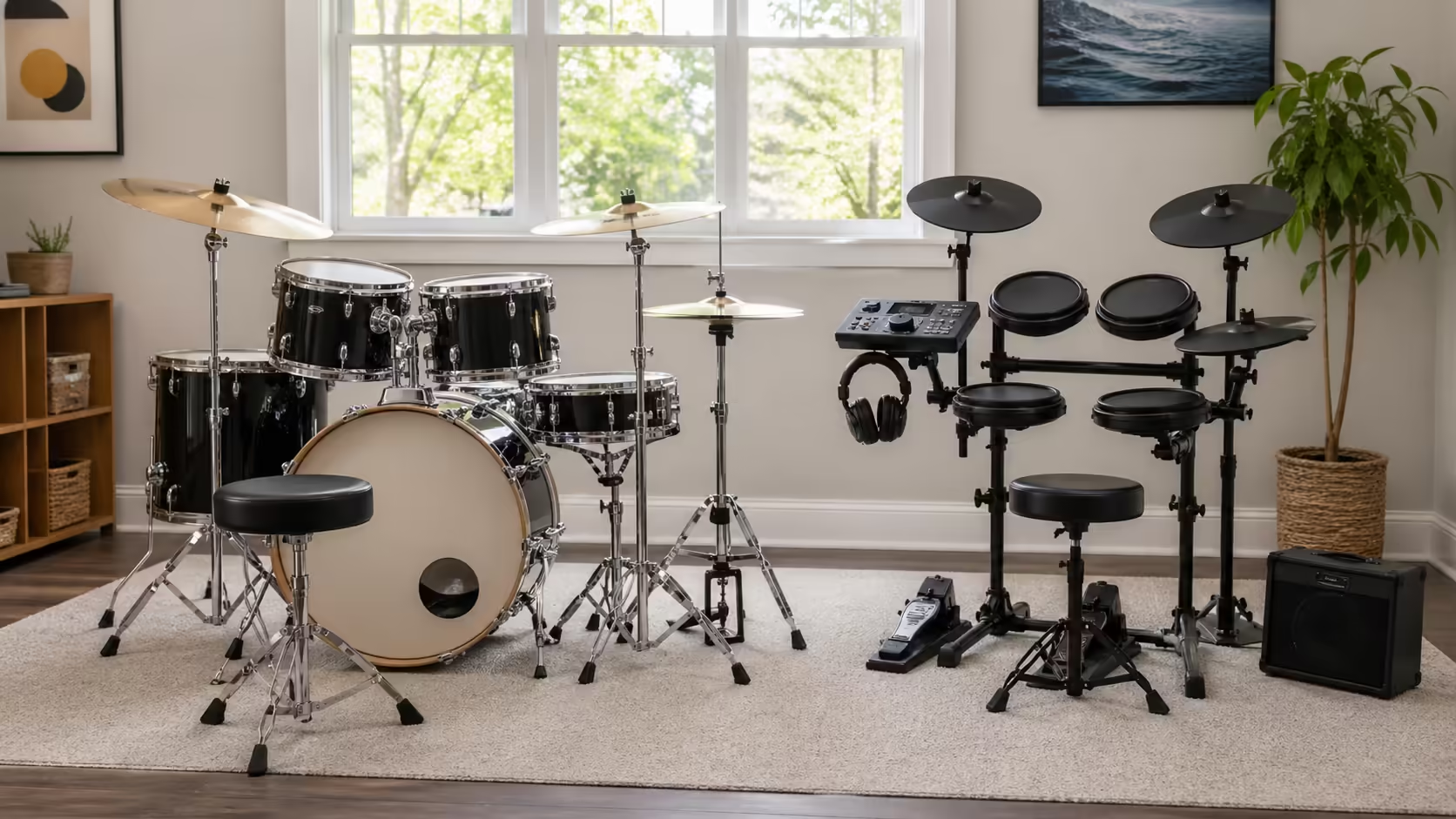

Short answer: The best beginner drum set for kids depends on your home, not just your budget. Pick an electronic kit if noise is a problem (apartments, shared walls, neighbors). Pick a junior acoustic kit if you want the most natural feel and have the space. Either way, stick with known brands — Pearl, Tama, or Ludwig for acoustic; Roland, Yamaha, or Alesis for electronic. The $200–$350 range covers most strong beginner kits.
Quick Answer: Acoustic or Electronic?
The best beginner drum set for kids comes down to four things: age, budget, space, and noise. For most families, an electronic kit is the safer first buy because it's quieter, smaller, and easier to live with. For families who have the room and don't mind the volume, a junior acoustic kit teaches real drum feel from day one.
| Choose This | If You Need |
|---|---|
| Electronic kit | Quiet practice with headphones, smaller footprint, built-in coaching tools |
| Junior acoustic kit | The most natural feel and sound, real-drum technique, school-band readiness |
| Either, from a known brand | Better resale value, fewer problems, replaceable parts |
Many drum teachers recommend an acoustic kit for lessons and an electronic kit for home — the best of both worlds. If you'd like a teacher's eye on which kit fits your child, our drum lessons include guidance on equipment as part of the first trial.
Why This Decision Trips Up So Many Parents
Most parents ask the same questions before buying drums: Is acoustic or electronic better? What size does my child actually need? Will this kit be too loud? Will my child outgrow it in a year? Am I buying a real instrument or just a noisy toy?
Price isn't the first thing to look at. Drum sizes, durability, and how long your child will use the kit matter just as much. A cheap kit that's too small or flimsy will leave a child frustrated, and you'll end up shopping again in six months. The goal is to match the right kit to the child, the room, and the family routine — not to grab the cheapest option that looks like a drum set.
How to Choose the Best Beginner Drum Set for Kids
Start With Age and Size
Age matters, but size matters more. Two 9-year-olds may need different kits if one is taller. Adult-sized kits can be too big — kids may struggle to reach the bass drum pedal or move around the kit. Junior-sized drums are usually the better fit for younger beginners.
Think About Your Home
This is often the real deal-breaker. If you live in an apartment, a duplex, or a house with thin walls, acoustic drums become a daily problem fast. Sound carries through walls, floors, and ceilings. Electronic drums with headphones solve this almost completely.
Set a Real Budget
A first drum set doesn't need to be expensive, but it should be usable. Buy from known brands — they hold resale value and have replaceable parts. Pearl, Tama, and Ludwig dominate the acoustic side; Roland, Yamaha, and Alesis lead in electronics.
Be Honest About Commitment
If your child is just starting to show interest, a lower-cost junior or entry-level electronic kit makes sense. If they're already in lessons or talk about drumming every day, invest in a stronger kit that will last several years.
Check What's Actually Included
Don't assume every kit is complete. A working kit needs shells, cymbal stands, cymbals, a bass drum pedal, and a throne (the seat). Some kits include sticks and a drum key; others don't. Listing photos can be misleading — read the included-items list carefully.
Acoustic vs Electronic Drum Set for Kids: The Full Comparison
Playing Feel
Acoustic drums win here. Real drum heads have a natural bounce and response that helps young players develop proper technique over time. Electronic kits — especially newer models with mesh drum pads — have closed the gap a lot, but acoustic still teaches touch and dynamics in ways electronic kits can't fully match.
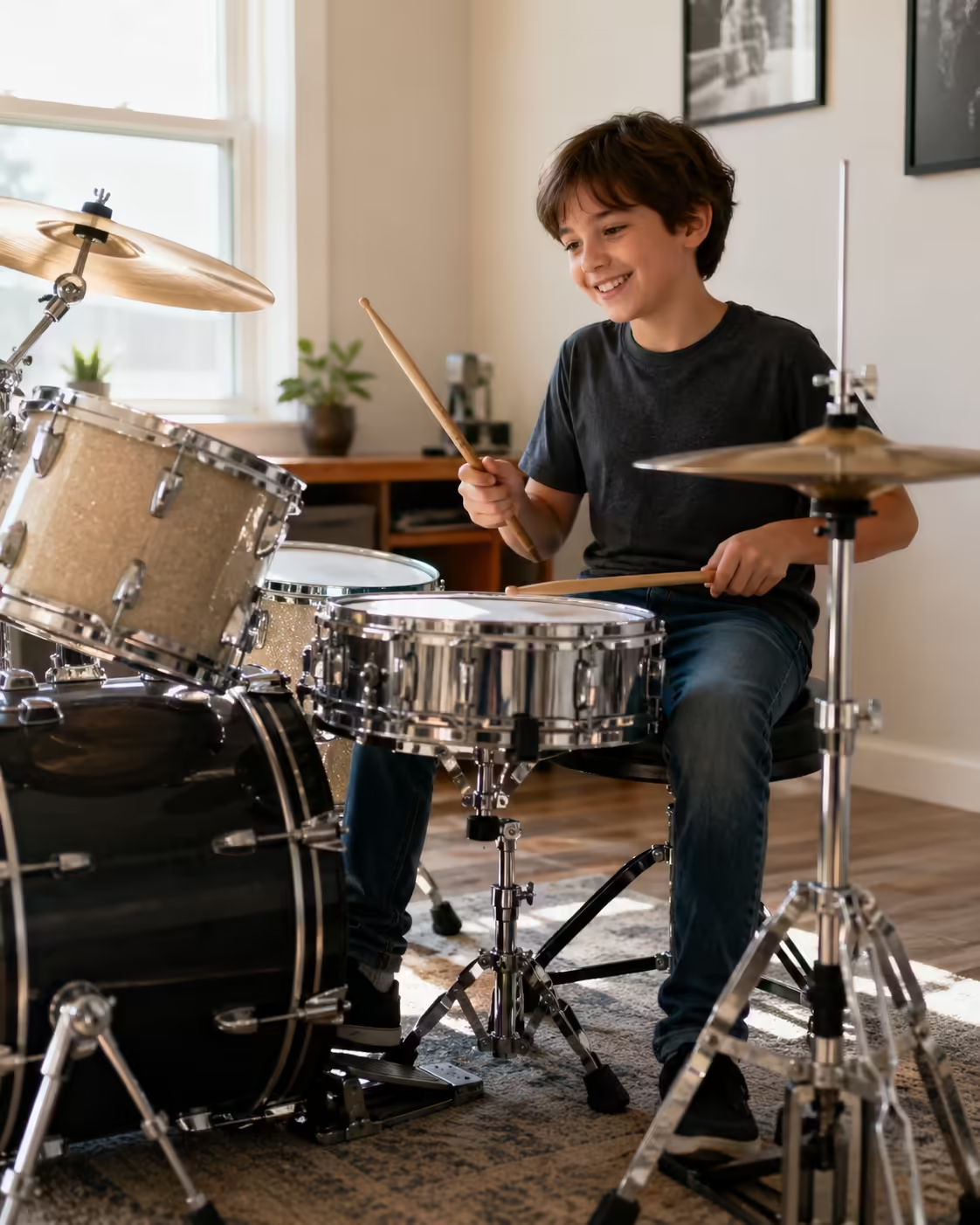
Acoustic drums respond to how hard and where you strike them — a key part of learning real dynamics.
Sound
Acoustic drums make real drum sounds — full, natural, and varied depending on how the child plays. Electronic kits offer more variety: built-in drum kit presets (rock, jazz, Latin, funk), play-along tracks, and training tools. The drum module — sometimes called the sound module — is the brain of an electronic kit, and module quality is the single biggest factor in how good the kit actually sounds.
Noise
Electronic wins here, decisively. Acoustic drums are loud — louder than most parents expect. Electronic kits with headphones cut the volume by roughly 90%. They're not silent (the kick pedal and pad strikes still make some thumps), but the difference for apartment living is huge.

Electronic kits with headphones let kids practice without disturbing anyone in the next room.
Space
Electronic kits usually take less room. Many fit into a bedroom corner. They're lighter, more compact, and easier to move aside. Full acoustic 5-piece kits need a dedicated practice spot — a corner of the garage, a basement, or a spare room.
Setup and Maintenance
Acoustic kits need occasional tuning and replacement drum heads (every year or two for a regular practicer). Electronic kits need power and cable setup once, then stay maintenance-free — mesh and rubber pads don't wear out the way drum heads do.
Long-Term Learning
If your child might join a school band, perform on stage, or take in-person lessons, real drum feel matters. Kids who only practice on electronic kits sometimes struggle when they sit down at an acoustic kit for the first time. The fix is simple: practice on whatever you have at home, and use lesson time to play on a real kit.
The Scorecard
| Factor | Acoustic | Electronic |
|---|---|---|
| Feel | Most natural | Good with mesh pads |
| Sound | Real, varied, dynamic | Many presets, play-along |
| Noise | Very loud | Quiet with headphones |
| Space | Needs more room | Compact, fits small rooms |
| Setup | Tuning needed | Plug and play |
| Learning | Best for technique | Built-in coaching tools |
| Cost range | $200–$700+ | $200–$1,000+ |
Best Acoustic Drum Set for Kids: What to Look For
A real acoustic beginner kit should feel like an instrument, not a toy. That means wooden shells (not thin plastic), tunable drum heads, stable hardware, and the right size for the child. Most beginner kits come as 4-piece or 5-piece. A 4-piece is easier for true beginners; a 5-piece adds one rack tom for more variety. Either works.

Look for wooden shells, working hardware, and replaceable drum heads — not toy-store plastic.
Signs of a Good Acoustic Beginner Kit
- Junior or pocket size for younger children
- Stable, height-adjustable throne
- Solid kick pedal (not flimsy)
- Cymbals included, even if basic
- Wooden shells, not toy plastic
- Drum heads that can be replaced
- A brand with decent resale value
Strong Acoustic Picks
| Kit | Best For | Notes |
|---|---|---|
| Ludwig Questlove Pocket Kit | Ages 4–10 | Compact, durable, real acoustic feel — the most-recommended starter |
| Pearl Roadshow Jr. | Ages 6–10 | Like a smaller adult kit; quality build |
| TAMA Stagestar 5-Piece | Ages 8+ | Higher quality from a trusted brand; lasts into the teen years |
| Rogue Junior Kicker 5-Piece | Tightest budget | Basic, but functional starter from a budget brand |
Best Electronic Drum Set for Kids: What to Look For
The best electronic kit for kids is quiet, compact, easy to set up, and fun to play. Those four things together drive how much a kid actually practices.
Features That Matter Most
| Feature | Why It Matters |
|---|---|
| Mesh drum pads | Quieter and far better feel than rubber pads |
| Headphone output | Essential for quiet practice — the whole reason to go electronic |
| Simple drum module | Kids should be able to navigate it themselves |
| Built-in metronome | Timing improves dramatically with daily metronome use |
| Coaching mode & play-along songs | Keeps practice fun and structured |
| Stable rack | The kit shouldn't shift around mid-song |
| Adjustable height | The kit grows with the child |
| Complete package | Avoids surprise costs (seat, sticks, headphones can add up) |

A complete electronic kit comes with the seat, sticks, and headphones — check before you buy.
Strong Electronic Picks
| Kit | Best For | Notes |
|---|---|---|
| Alesis Turbo Mesh | Ages 6+ | Mesh pads, coaching tools, compact. Needs a separate throne. |
| Alesis Debut Kit | Young beginners | Includes throne, sticks, and headphones — fully complete out of the box |
| Roland TD-02K | Serious beginners | Better build quality and feel; designed to last several years |
Mesh vs Rubber Pads
If you can stretch the budget at all, choose mesh. Mesh pads feel softer, sound quieter, and respond more like real drum heads. The difference is noticeable from the very first practice session.
Best Beginner Drum Set for Kids by Age
Ages 3–5
For very young kids, fun and fit matter most. A small junior kit or simple electronic kit works. Toy-store kits are fine at this age — they're more rhythm toys than instruments, and that's appropriate.
Ages 6–8
The sweet spot for real beginner kits. Most kids fit junior-sized drums well at this age. The Alesis Debut, Alesis Turbo Mesh, or Ludwig Questlove Pocket Kit are all smart picks. Make sure the child can comfortably reach the snare, hi-hat, and kick pedal.
Ages 9–12
Older beginners can outgrow tiny junior kits within a year. A better electronic kit (Roland TD-02K) or a stronger acoustic kit (Pearl Roadshow Jr., TAMA Stagestar) makes more sense — they'll last several years.
Beginner Teens
Skip kid-style kits entirely. Look at compact adult-size kits, brand-name acoustic sets, or quality electronic kits with proper spacing. A tiny junior kit will feel childish to a teenage beginner. This is also the age where a used kit from a trusted source can be a smart buy — just inspect carefully.
Best Beginner Drum Set for Kids by Budget
| Budget | What to Expect | Examples |
|---|---|---|
| Under $200 | Very small acoustic or basic electronic — limited but functional first steps | Rogue Junior Kicker, basic budget electronics |
| $200–$350 | Strong beginner kits — the best value range for most families | Alesis Turbo Mesh, Alesis Debut, Ludwig Pocket Kit, Pearl Roadshow Jr. |
| $350–$700 | Better brand-name options that last several years | TAMA Stagestar, Roland TD-02K, Yamaha electronic kits |
| $700+ | Higher-end kits — usually overkill for total beginners | Advanced acoustic sets, Roland TD-07/17 series |
Used vs New
New is usually better for first-time buyers — you get warranties, no hidden damage, and known quality. Used can save real money if you have a drummer friend who can inspect the kit before you buy. Check for shell damage, sticky module controls, and worn drum heads.
Best Beginner Drum Set for Small Homes & Apartments
If your practice space is a bedroom, an apartment, or a shared-wall townhouse, electronic is almost always the right answer. Acoustic drums are louder than most parents expect — and they carry through walls more than most parents expect.
Electronic kits aren't silent: the kick pedal and pad strikes still make physical thumps. But compared to a full acoustic kit, the difference is enormous.
| Living Situation | Best Choice | Setup Tips |
|---|---|---|
| Apartment | Electronic | Headphones + drum mat + low-noise kick beater |
| Small bedroom | Electronic | Compact rack, minimal footprint |
| House with garage | Either works | Acoustic if neighbors are far; electronic if close |
| Shared-wall townhouse | Electronic | Protects neighbor relationships long-term |
| Detached house with basement | Acoustic works well | Sound stays contained downstairs |
Even with an electronic kit, a thick rug or drum mat under the rack reduces vibration through the floor. It's the cheapest upgrade you'll make.
What Else You'll Need Besides the Kit
A first drum purchase usually grows into a small list. Here's what often gets missed.
Acoustic Starter Extras
| Item | Notes |
|---|---|
| Drum sticks | 5A is the standard beginner size for most kids |
| Throne (seat) | Stable, height-adjustable; not always included |
| Hearing protection | Acoustic drums are loud enough to matter for hearing |
| Drum rug or mat | Keeps the kit from sliding during play |
| Drum key | For tuning drum heads — most kits include one |
| Mutes or low-volume pads | For quieter acoustic practice when needed |
Electronic Starter Extras
| Item | Notes |
|---|---|
| Drum sticks | Same as acoustic — 5A for most kids |
| Throne | Often not included; check before buying |
| Headphones | Closed-back work best; over-ear is more comfortable for kids |
| Drum mat | Stability and floor protection |
| Power supply | Usually included, but verify |
The Alesis Debut kit is the standout for families who want a complete out-of-the-box solution — throne, sticks, and headphones are all included.
Common Buying Mistakes to Avoid
Buying the cheapest kit without checking fit
A bargain isn't a bargain if your child can't reach the drums. Junior-sized kits exist for a reason.
Ignoring the noise question
This is the single biggest reason good intentions turn into unused gear. If your home can't handle acoustic volume, start electronic. Don't assume it'll work itself out.
Buying a toy instead of an instrument
Once a child wants to learn real beats, timing, and coordination, they need a kit that responds properly — not a plastic toy that just makes noise when hit.
Forgetting resale value
Known brands (Pearl, Tama, Ludwig, Roland, Yamaha, Alesis) hold value. Off-brand kits don't. If you might resell in two years, this matters.
Skipping the included-items check
The drum kit photo on the box often shows things that aren't included. Read the contents list carefully — extra costs for a throne, sticks, and headphones add up fast.
Bring your child to a free trial drum lesson. We'll help match the right kit to your space, budget, and your child's age — whether or not you ever take a second lesson with us.
Book a Free Trial Lesson100% free trial • No credit card required
Frequently Asked Questions
What is the best beginner drum set for kids overall?
For most homes, an electronic drum kit is the easiest first buy because it's quieter and smaller. For the most natural feel, a junior acoustic kit is still a great choice. Either way, stick with known brands — Pearl, Tama, or Ludwig for acoustic; Roland, Yamaha, or Alesis for electronic.
Should kids start with acoustic or electronic drums?
Start with electronic if noise is the main concern at home. Start with acoustic if you want the most natural feel and have the space. Many teachers suggest using an acoustic kit for lessons and an electronic kit for daily home practice — the best of both worlds.
Are electronic drum sets good for kids?
Yes. Electronic drum sets are quiet, compact, beginner-friendly, and packed with practice tools like metronomes, coaching modes, and play-along songs. The best electronic kits include realistic drum sounds and let kids practice with headphones any time of day.
Are acoustic drums better for learning?
In many ways, yes. Acoustic drums offer better feel, touch, dynamics, and response — which matters for proper technique. Kids who only practice on electronic kits can be at a slight disadvantage when they later play in school bands or perform on real drums.
What age should a child start drumming?
Kids can start exploring rhythm very young. Real beginner kits make sense once a child can sit on a drum throne, reach the bass drum pedal, and follow basic rhythm patterns — usually around age 6 to 8.
Is a used drum set okay for beginners?
Yes, but inspect carefully. Check for worn drum shells, damaged drum heads, and any drum module issues on electronic kits. If you can, bring along a friend who plays. New kits are simpler for first-time buyers because they include warranties and arrive in known condition.
Do kids need drum lessons to start?
Not strictly, but lessons help with grip, posture, pedal use, timing, and good early habits. A practice app can speed things up too, but lessons from a real teacher make the biggest difference for young drummers in the first year. Drum lessons typically run weekly for 30–60 minutes.
How much should I spend on a first drum set?
The $200–$350 range covers most strong beginner kits — both acoustic and electronic. Under $200 usually means very small or basic gear. $350–$700 buys a noticeably better brand-name kit that will last several years of regular practice.

