

Short answer: Most beginners can play simple songs on violin in 1 to 3 months, build strong basic skills in 6 to 12 months, and reach a clear intermediate level in 2 to 3 years of steady practice. Advanced playing with polished vibrato, shifting, and a mature sound usually takes 5+ years. Your personal timeline depends on practice quality, teaching, and your goals.

Quick Answer: How Long Does It Take to Learn Violin?
If you're asking how long does it take to learn violin, you're asking the right question. Most new players also ask how long to learn violin, how long it takes to get good at violin, and how fast you can learn violin if you practice often. The honest answer is that violin takes time, but it does not have to feel slow. Many beginners make real progress in the first few weeks when they set clear goals and practice regularly.
Here is a simple timeline for most beginners:
Weeks 1–4
Setup and first sounds
Learn how to hold the violin and bow, play open strings, and follow simple rhythms.
Months 1–3
Your first easy songs
Play simple tunes, use basic finger placement, and read simple music.
Months 3–6
Cleaner sound and control
Smoother bow changes, cleaner string crossings, and a less scratchy tone.
Months 6–12
Strong beginner skills
Better intonation, steadier rhythm, and several beginner pieces under your belt.
Years 1–3
Intermediate level
Shifting, better expression, and harder pieces with more confidence.
Years 3–5+
Advanced playing
Vibrato, polished phrasing, mature tone, and stronger control.
This timeline is simple on purpose. Violin progress does not move in a straight line every week. Some weeks feel fast. Other weeks feel flat. That is normal.
The real timeline depends on your goal. Learning one simple song is much faster than joining an orchestra or playing advanced concert music. If you're in San Diego and want expert guidance, our violin lessons are built around the exact milestones below.
What Does “Learn Violin” Really Mean?
A lot of confusion starts here. Some people say they want to learn violin, but they all mean different things.
For one person, learning violin means playing a few songs for fun at home. For another, it means playing in tune, reading music, and joining a youth orchestra. For someone else, it means playing advanced classical pieces with rich tone and strong control.
To Learn Violin, You Need More Than Songs
To really learn violin, you usually work on many small skills at the same time:
- Posture and body balance
- Bow hold and bow arm
- Left-hand shape and finger placement
- Intonation (playing in tune)
- Rhythm and timing
- Note reading
- Tone production
- String crossing
- Scales and simple etudes
- Musical expression
This is why violin feels slow at first. You're learning many small skills at once. Still, once these basics start to click, progress feels much better and the instrument begins to sound like music instead of squeaks.

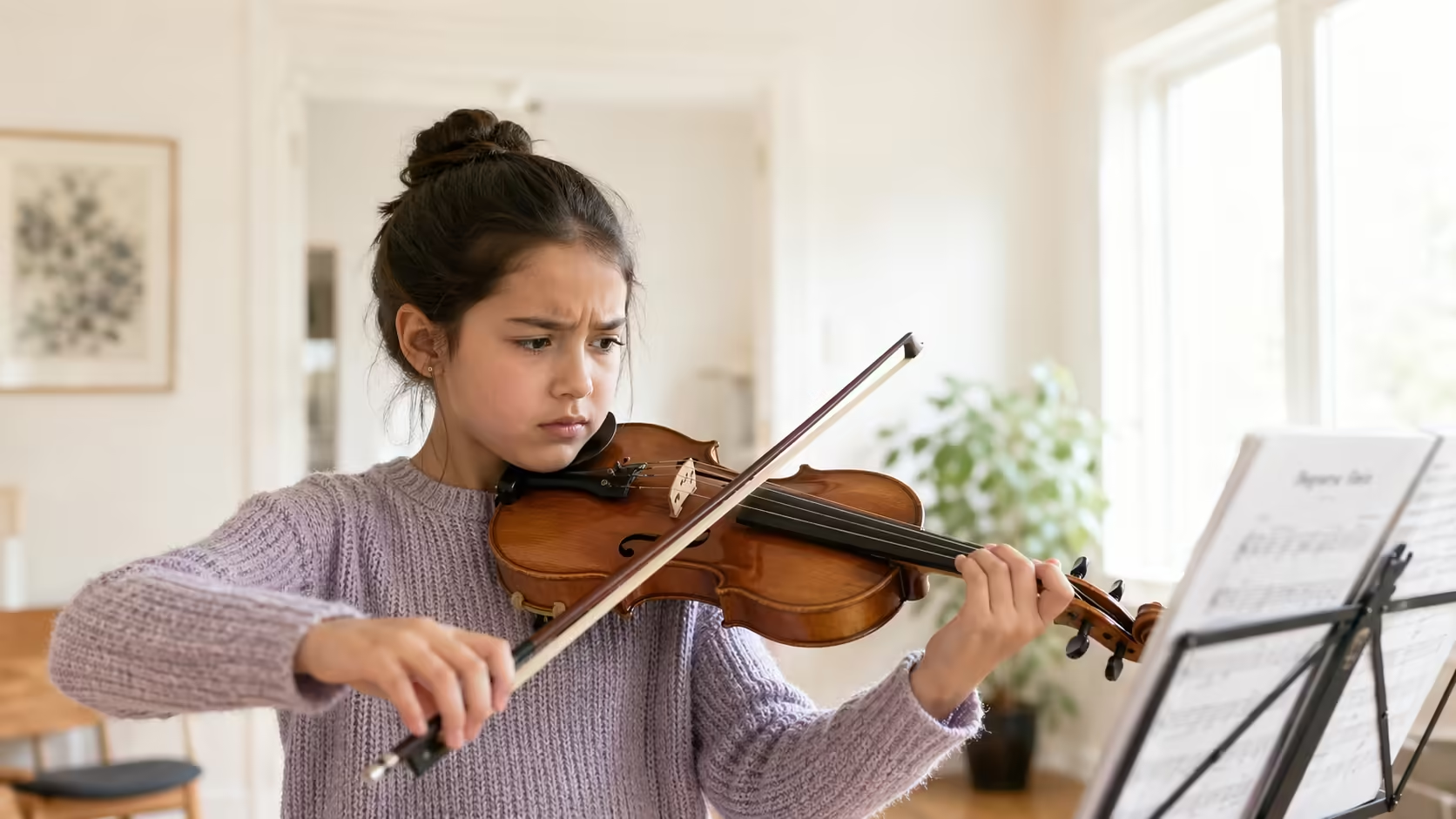
A teacher helps you build posture, bow hold, and finger shape before the bad habits set in.
How Long Does It Take to Learn Violin in the First Week?
The first week is about setup and body control. Most beginners do not play full songs right away. Instead, they learn how to stand or sit well, hold the violin, hold the bow, and make their first sound on the instrument.
In the first week, you may learn:
- The names of the four violin strings (G, D, A, E)
- How to place the violin on your shoulder
- How to keep the wrist soft and relaxed
- How to draw the bow on open strings
- How to count simple beats
This stage matters a lot. If you build good habits early, later skills come much easier.
How Long Does It Take to Learn Violin in the First Month?
After a few weeks, many learners can play simple patterns and very easy songs. The sound may still be scratchy, and that's completely fine. At this stage, your hands are still learning new motions.
By the end of the first month, many beginners can:
- Play on open strings with more control
- Place first fingers on the string
- Read simple note values
- Play short songs on one or two strings
- Follow a short daily practice plan
This is also the stage where many people ask, “Why is violin so hard?” The answer is simple: there are no frets, so you must place each finger with care. Also, your right hand controls the bow, while your left hand finds the notes. That takes time to coordinate.
How Long Does It Take to Learn Violin in 3 Months?
At about 3 months, many beginners can play a few simple songs from memory or from easy sheet music. The tone is still growing, but control improves noticeably.
Common 3-Month Violin Milestones
- Better bow direction changes
- Better rhythm and steadier pulse
- More stable finger placement
- A stronger ear for pitch
- More comfort with easy tunes
If you practice most days, this stage feels exciting. You start to hear less scratch and more music. That is a big win.
How Long Does It Take to Learn Violin in 6 Months?
At 6 months, many players sound more steady. They may still struggle with clean intonation and smooth bow changes, but they usually have a better feel for the instrument.
At this point, you may be working on:
- More songs in first position
- Cleaner string crossings
- Better tone control
- Simple scales
- Short etudes
- Basic dynamics, such as louder and softer playing
This is also a common point for frustration. Many learners expect to sound “good” by now. Some do. Some do not. Violin progress varies a lot, and that is normal. If you feel stuck, read our guide on what to honestly expect when learning violin.
How Long Does It Take to Learn Violin in 1 Year?
A year is a big milestone. Many teachers say students often need about a year to learn the basics and start playing simple classical music with more confidence.
What Many Players Can Do After 1 Year
- Hold the violin and bow with better ease
- Read more basic sheet music
- Play several beginner pieces
- Keep a steadier beat
- Use better bow distribution
- Hear wrong notes faster and fix them sooner
This does not mean every one-year student sounds polished. It means most learners now have a real base they can build on.
How Long Does It Take to Get Good at Violin?
This is one of the most searched questions, and it makes sense. People want a straight answer.
The problem is that “good” means different things. If “good” means playing songs that sound pleasant to friends and family, you may reach that in 1 to 2 years. If “good” means solid intermediate playing with cleaner intonation, better tone, and some expression, it often takes 2 to 3 years. If “good” means advanced control, polished vibrato, shifting, and a mature sound, it often takes many more years.
A Better Way to Ask the Question
Instead of asking, “How long does it take to get good at violin?” try asking:
- How long until I can play easy songs?
- How long until I can play in tune most of the time?
- How long until I can enjoy my own sound?
- How long until I can play harder music?
Those questions give clearer answers and help you set better goals.
Why Is Violin So Hard at First?
The violin is hard at first for a few clear reasons.
1. The Violin Has No Frets
On guitar, frets guide finger placement. On violin, your fingers must land in the right spot by feel and ear. That takes time.
2. Tone Depends on the Bow
The left hand finds pitch. The right hand shapes the sound. Bow angle, bow speed, and bow pressure all matter, and small changes can turn a clean note into a scratchy one.
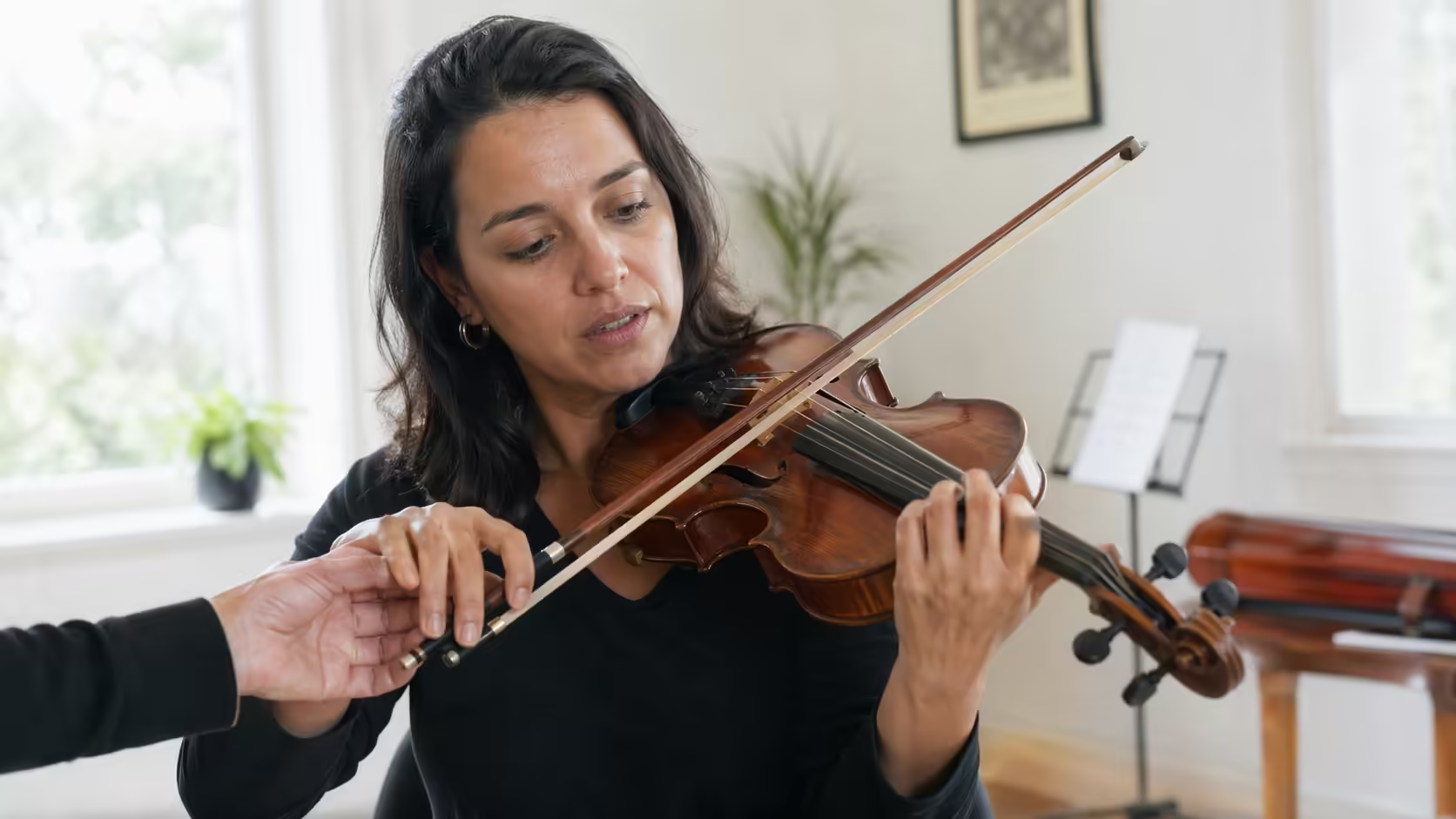
Small adjustments to bow hold and angle have a huge effect on how your violin sounds.
3. The Body Must Stay Relaxed
New players often squeeze the neck, shoulder, thumb, or bow. Tension blocks progress. Good teachers spend a lot of time helping students stay balanced and loose.
4. Violin Uses Fine Motor Control
Intonation, vibrato, shifting, and clean string crossing all depend on small, precise motions. That is why daily practice helps so much, even when sessions are short.
What Affects How Long It Takes to Learn Violin
Practice Quality
A focused 20 minutes is better than 45 minutes of random playing. Smart practice beats long practice every time.
Practice Frequency
Daily or almost daily practice works best for beginners. Short and steady beats long and occasional.
Quality of Teaching
A good teacher catches problems early. A poor bow hold or bad left-hand shape can slow you down for months if no one fixes it.
Your Starting Point
If you already read music or play another instrument, some parts come faster. Still, violin has its own unique challenges.
Your Violin Setup
A violin that's the wrong size, badly adjusted, or hard to tune will slow your progress. Proper setup matters more than most beginners realize.
Your Goals
Someone who wants to play a few folk songs moves on a different path than someone who wants to play Mozart concertos. Both are valid goals.
How Much Should You Practice to Learn Violin Faster?
This is one of the biggest questions, and the answer is refreshing. You do not need huge practice sessions at the start. Beginner guides recommend starting with 10 to 20 minutes a day, then adding time as skills and stamina improve.
| Student Level | Daily Practice | Focus |
|---|---|---|
| Brand new beginner | 10–20 min | Posture, bow hold, open strings, first notes |
| Early beginner | 20–30 min | Easy songs, rhythm, finger placement |
| Strong beginner | 30–45 min | Tone, scales, string crossing, songs |
| Intermediate | 45–60+ min | Technique, expression, harder music |
Why Short Daily Practice Works So Well
Short daily sessions help because they build muscle memory, improve ear training, keep the body fresh, make practice easier to maintain, and reduce mental overload. In other words, consistency beats intensity for most beginners.
Sample Beginner Practice Plans
- 2 min: Setup and posture check
- 3 min: Open strings and bow control
- 4 min: Finger placement drills
- 4 min: Easy tune or piece
- 2 min: Play something fun again
- 5 min: Warm-up and posture
- 5 min: Open strings and tone work
- 5 min: Scale or note pattern
- 10 min: Piece practice
- 5 min: Rhythm work or play-through
- 5 min: Relaxation and setup
- 10 min: Tone and bowing
- 10 min: Scales and intonation
- 15 min: Main piece
- 5 min: Review and cool-down
Want more shortcuts that actually work? Read our five rules to learn violin quickly for practical tips that speed up early progress.
How Long Does It Take to Learn Violin as an Adult?
Adults often worry that they are too old to start. The good news is simple: adults can learn violin at any age.
Adults often do well because they:
- Follow directions well
- Stay focused during practice
- Set clear goals
- Understand slow progress better than kids do
- Value practice time more than most beginners
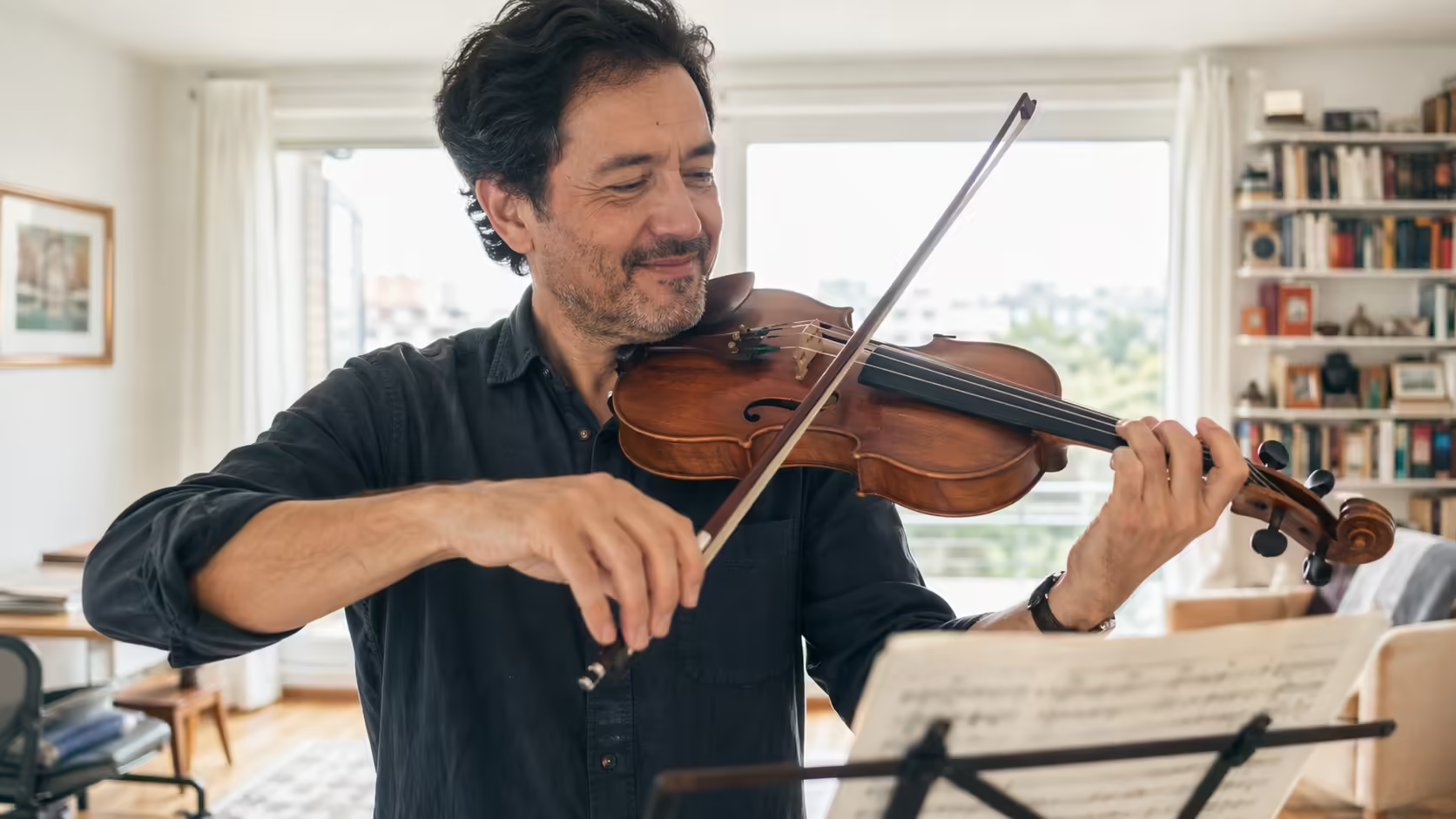
Adult learners often progress faster than they expect when they practice consistently.
Realistic Adult Violin Timeline
- 1 to 3 months: first easy songs
- 6 to 12 months: stronger basics
- 1 to 2 years: better tone and real confidence
- 2 to 3 years: clear intermediate progress
Adults may move slower in some physical areas, but they often move faster in problem-solving. So if you're asking how long it takes to learn violin as an adult, the answer is hopeful: you can make real progress faster than you think.
How Long Does It Take a Child to Learn Violin?
Children can also learn violin well, but their path depends on age, focus, parent support, and practice routine.
What Helps Kids Learn Violin Faster
- Correct violin size (full-size violins don't fit small arms)
- Short daily sessions (10 to 15 minutes is plenty at the start)
- A clear home routine with the same practice time each day
- Encouragement without pressure
- Fun songs and small wins
- A teacher who works well with children
Some children need more time to build attention and body control. That's fine. With support, most kids do very well. For guidance on when to start, see our post on the best age to start violin lessons.
Can You Learn Violin by Yourself?
Yes, you can learn violin by yourself. However, most self-taught players learn more slowly because they can't always spot their own mistakes.
Common Self-Taught Violin Problems
- Tight shoulders and raised hands
- A bent or locked wrist
- A weak or over-gripped bow hold
- Poor intonation habits that become permanent
- Rushed tempo and uneven rhythm
- Uneven tone between bow directions
Even a few lessons can save you a lot of time. If a private teacher isn't possible, a mix of online lessons, video feedback, and self-practice can still work well.
Signs You're Making Real Violin Progress
Many beginners improve before they notice it. Watch for these signs.
You Hear Pitch More Clearly
You may still miss notes, but you notice the errors sooner. That means your ear is growing.
Your Tone Sounds Cleaner
Scratchy sounds happen less often. Open strings sound smoother. Bow changes feel less jerky.
You Read Music Faster
You stop pausing at every note. You recognize patterns. Rhythm feels more stable.
Your Body Feels More Natural
The violin feels less strange on your shoulder. Your hands know where to go more often without thinking.
You Learn Songs Faster Than Before
This is a major clue. Even if you don't sound advanced, faster learning shows real growth.

A first recital is one of the clearest signs a beginner has become a real violinist.
Violin progress can feel slow because tiny gains are hard to hear day by day. Still, after a month or two, the change is often very clear. Record yourself once a week, keep an old song in your practice, and work on one issue at a time. Plateaus happen to almost everyone.
Common Mistakes That Slow Down Violin Learning
Practicing Too Long Too Soon
Long sessions cause tension and bad habits. Start small and build up gradually.
Skipping the Basics
Open strings, rhythm drills, scales, and posture checks may feel boring, but they build everything else.
Playing Too Fast
Fast playing hides mistakes. Slow practice is what fixes them.
Ignoring Intonation
If you don't listen closely for pitch, wrong notes quickly become habits that are hard to unlearn.
Comparing Yourself to Others
Your timeline is your own. Some people move fast because of prior music experience, better guidance, or more free time. That is not a measure of your progress.
Beginner Violin Milestones Checklist
Use this checklist to measure your progress month by month. Print it out, save it, and review it every few weeks.
Month 1
- I can hold the violin with better balance
- I can hold the bow with less tension
- I can play open strings on purpose
- I can count simple beats
Month 3
- I can play a few very easy songs
- I can place fingers with more control
- I can read some easy notes
- I can keep a steadier rhythm
Month 6
- My tone is cleaner
- My ear catches more wrong notes
- I can switch strings more smoothly
- I feel more at ease holding the violin
Year 1
- I can play several beginner pieces
- I understand scales and simple technique work
- I read music with less stress
- I sound more musical than I did at the start
Does Violin Take Longer to Learn Than Other Instruments?
Violin vs Guitar
Guitar often feels easier at the start because frets guide pitch. Violin takes longer before it sounds clean, but it rewards patience with an expressive voice that few instruments can match.
Violin vs Piano
Piano gives a clear visual layout of notes. On violin, the fingerboard has no marked positions, so pitch control takes more ear work in the early months.
K&M Music School offers private violin lessons for kids, teens, and adults. Meet our expert teachers and hit your first milestone sooner than you think.
Book Your Free Trial Lesson100% Free trial lesson • No credit card required
Frequently Asked Questions
How long does it take to learn violin for beginners?
Many beginners can play simple songs in 1 to 3 months with regular practice. Building strong basic skills usually takes 6 to 12 months, and a solid intermediate level often takes 2 to 3 years.
How long does it take to get good at violin?
If “good” means pleasant beginner playing, most students reach that level in 1 to 2 years. Clean intermediate playing with better tone, intonation, and expression typically takes 2 to 3 years of steady practice.
Can I learn violin in 3 months?
Yes, you can learn the basics and play simple tunes in 3 months. You won't master the violin in that time, but you can build posture, bow control, and your first songs.
Can I learn violin in 6 months?
Yes, six months of steady practice builds strong beginner skills. Many players can read simple music and play several easy songs by then, with cleaner tone and smoother bow changes.
How many hours a day should I practice violin?
New beginners do well with 10 to 20 minutes a day. As skills and stamina improve, 30 to 45 minutes daily supports faster progress. Short, focused sessions work better than long, random ones.
Can I teach myself violin?
Yes, but most self-taught players improve faster with at least some teacher feedback. A teacher catches issues like tight shoulders, weak bow grip, and poor intonation before they become habits.
Am I too old to learn violin?
No. Adults can start violin at any age. Adults often follow directions well, set clear goals, and value practice time, which helps them make real progress faster than they expect.
Why is violin so hard at first?
Violin has no frets, so your fingers must find each note by feel and ear. Your right hand controls the bow while your left hand finds pitch, and tone depends on careful bow angle, speed, and pressure.


