
Short answer: For most children, piano is the strongest all-around first instrument. It gives kids a clear visual map of music and builds a foundation in rhythm, pitch, and note reading. But the best first instrument is the one your child actually wants to keep playing. Interest, age, body size, and family setup all matter more than picking the "right" instrument on paper.
Why Parents Ask "Which Instrument Should My Child Learn First?"
If you are searching for this question, you are probably not just choosing an instrument. You are trying to avoid the wrong first step. You may be wondering whether your child is old enough, whether they will quit, or whether you are about to spend money on something that collects dust.
These are smart questions. The first instrument shapes your child's first experience with music. A good fit builds confidence fast. A poor fit can lead to frustration, tears, and a dusty instrument in the corner of the room.
The good news: a first instrument does not have to be the one a child plays forever. Many kids start on one instrument and switch later. A child might begin with piano at age five and move to a wind or brass instrument when they are older and physically ready.
Why Music Lessons Matter in the First Place
Before comparing instruments one by one, it helps to remember why music education benefits children so much. Children who study music often build stronger fine motor skills, better eye-hand coordination, improved focus and working memory, more confidence, and better study habits.
The NAMM Foundation reports that music lessons can help children with reading, memory, concentration, and hand control. Music also builds discipline, teamwork, and confidence that carries into school and daily life.

5 Questions to Ask Before Choosing an Instrument
Before you compare instruments one by one, run through these five questions. They will narrow your options fast.
How Old Is My Child?
Age is not everything, but it matters. A four-year-old and a ten-year-old do not start from the same place. Small hands, shorter attention span, and body size shape what works well at different stages.
What Does My Child Actually Want to Play?
This may be the most important question. A child who feels excited about an instrument is more likely to practice, stick with lessons, and feel proud of progress. If your child lights up when they hear violin, pay attention to that.
Does the Instrument Fit My Child's Body?
Hand size, finger strength, arm length, posture, and even breath control all matter. Small children may not be ready for standard guitar. Many wind and brass instruments work better later because they do not come in small child sizes.
How Much Practice Support Can We Give at Home?
Violin often needs closer supervision early on. Piano is easier for parents to follow visually. Drums may need noise planning. Guitar may need help with tuning and finger soreness at first.
What Is Our Budget and Space?
Some instruments are easier to rent. Some need more room. Some need headphones, amps, or regular tuning. If you choose an instrument that fits your home and budget, you remove stress right away.
Best Age to Start by Instrument
Use this chart to narrow your options quickly. These are general guidelines based on typical physical and developmental readiness.
| Instrument | Best Starting Age | Strengths | Watch Out For |
|---|---|---|---|
| Piano / Keyboard | 5+ | Visual layout, strong music theory base | Needs keyboard at home, sitting still required |
| Violin / Cello | 4+ | Small sizes exist, builds the ear early | Squeaky early sound, parent help needed |
| Guitar | 8+ | Fun for songs, pop, and rock | Hand size and finger soreness |
| Ukulele | 4–7+ | Small, easy, quick wins | May feel limited later |
| Drums / Percussion | 5+ | Active, great for rhythm | Loud, needs space |
| Choir / Group Singing | 6+ | Social, no instrument to buy | Private voice lessons better after puberty |
| Woodwinds / Brass | 9+ | Good for school band | Needs breath control and adult teeth |
Children younger than four often do best in early childhood music classes rather than formal instrument study. Classes with rhythm sticks, shakers, movement, and singing build a strong musical foundation first. K&M Music School offers toddler group music classes designed specifically for this age group.
Piano for Kids — Is Piano the Best First Instrument?
For many families, piano is the safest and strongest first choice. There is a reason piano teachers often say piano gives children a musical map.
The keyboard is easy to see. Higher notes are physically to the right. Lower notes are to the left. That visual layout helps children understand pitch, rhythm, counting, note reading, dynamics, and harmony more clearly than almost any other instrument.
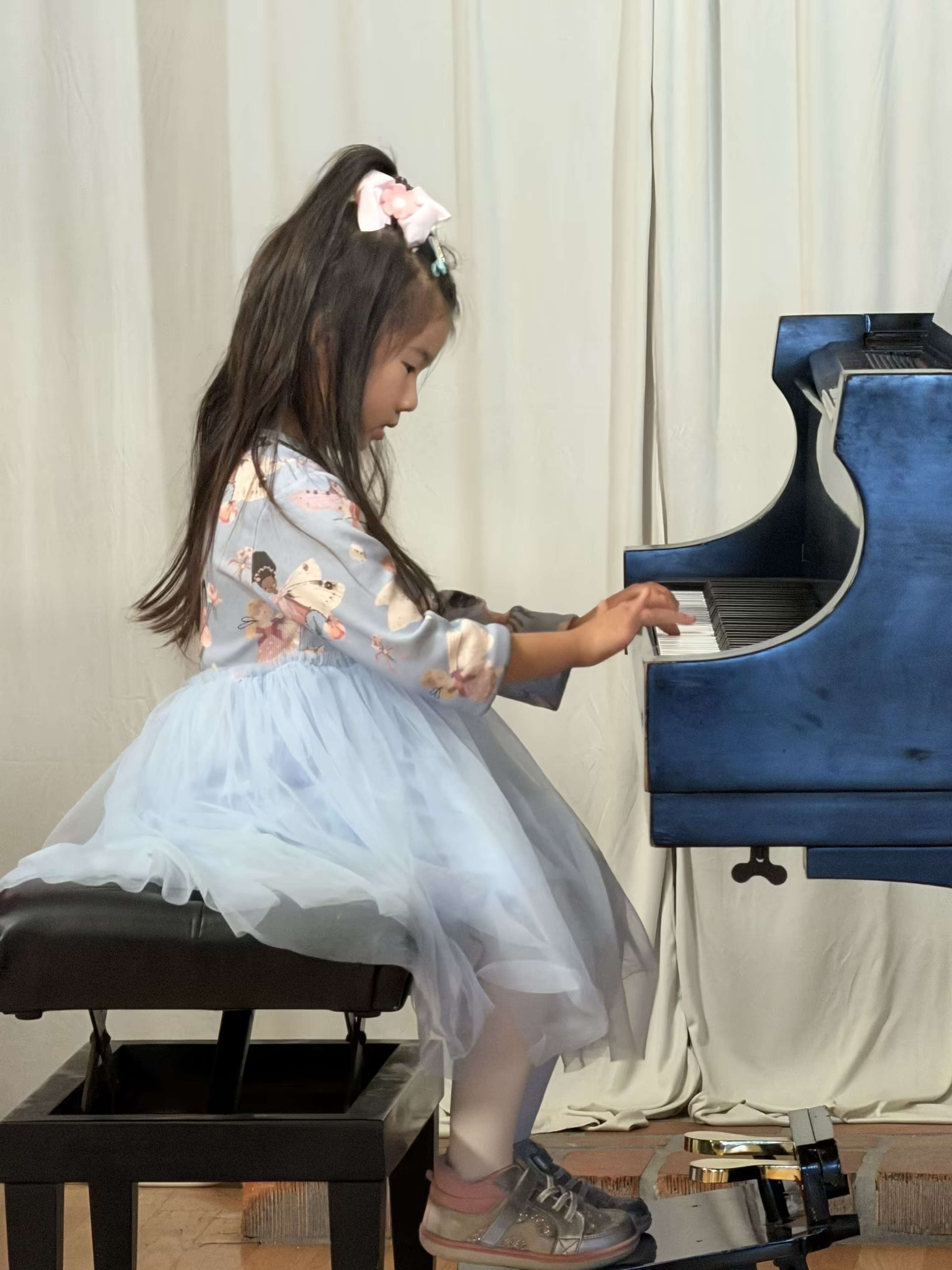
A K&M Music School student performing at a recital. Piano gives children a strong visual foundation for understanding music.
Why Piano Works So Well as a First Instrument
- Clear visual layout makes music concepts easier to understand
- Builds left-hand and right-hand independence early
- Strong foundation in music theory and note reading
- Skills transfer well to almost every other instrument
- Wide range of styles from classical to pop
Best For
Piano is often a strong fit for children age five and up, visual learners, kids who enjoy structure, and families who want a strong music theory base.
Possible Downsides
Some active kids feel boxed in by sitting still. Others get bored if lessons are too reading-heavy too early. A home keyboard or piano is also a real need for daily practice.
If you are looking for piano lessons in San Diego, K&M Music School offers private, group, and after-school formats for children of all ages.

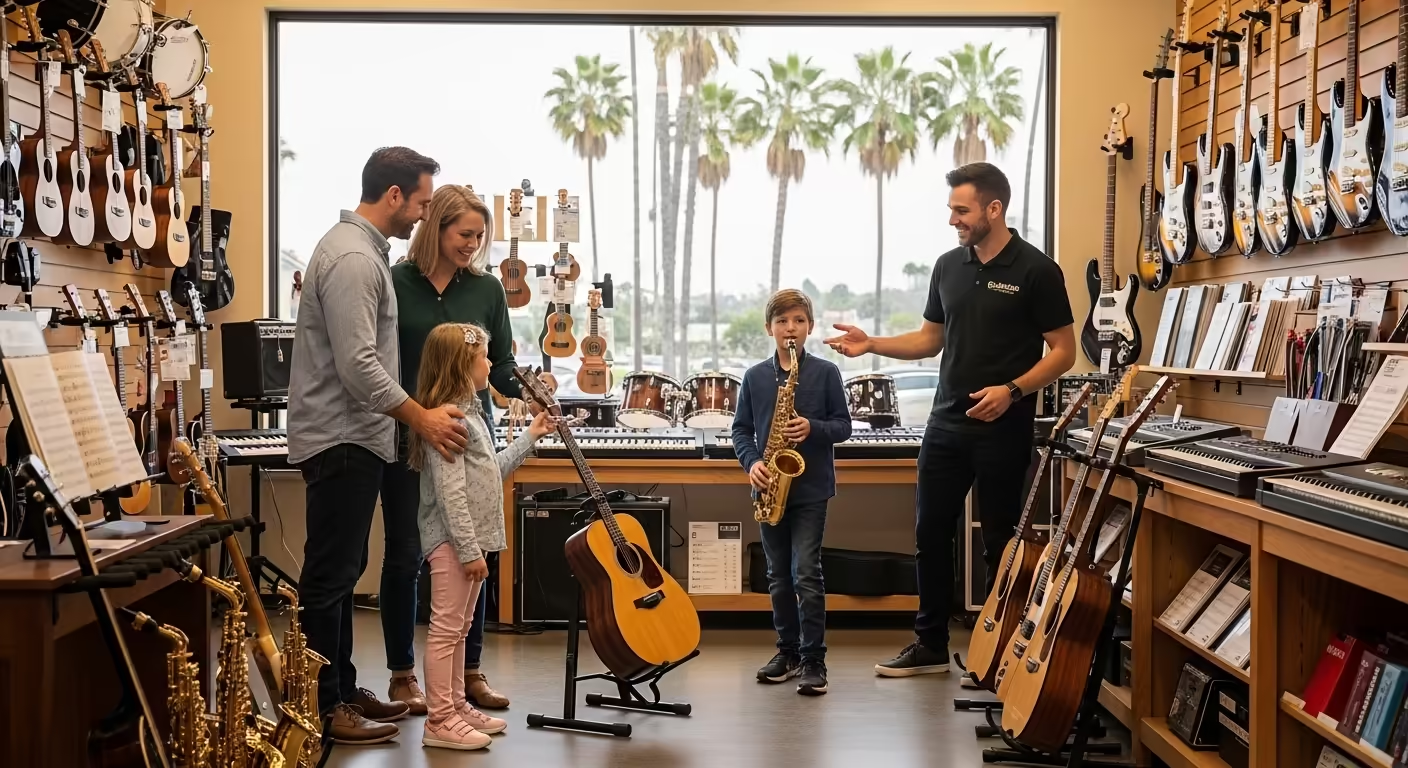
Guitar and ukulele connect kids to songs they love quickly, making early motivation stronger.
Guitar for Kids — Should My Child Start With Guitar?
Guitar is one of the most requested instruments by kids and parents. It feels fun, connects quickly to songs children know, and can be very rewarding. Still, it is not always the easiest first step for younger children.
Why Guitar Works Well
- Fast connection to songs kids know and love
- Chords make sing-along music possible early on
- Portable and great for playing with others
- Strong motivation for kids who love pop, rock, or acoustic music
What Parents Should Know
Guitar can be hard at first because of sore fingertips, chord shapes that stretch small hands, tuning needs, and slower clean note production compared to piano. Around age eight is a common time to begin guitar lessons successfully.
For children younger than eight who love the idea of guitar, ukulele is often a smarter first step. It is smaller, lighter, and friendlier for small hands. Many kids move to guitar after building confidence on ukulele.
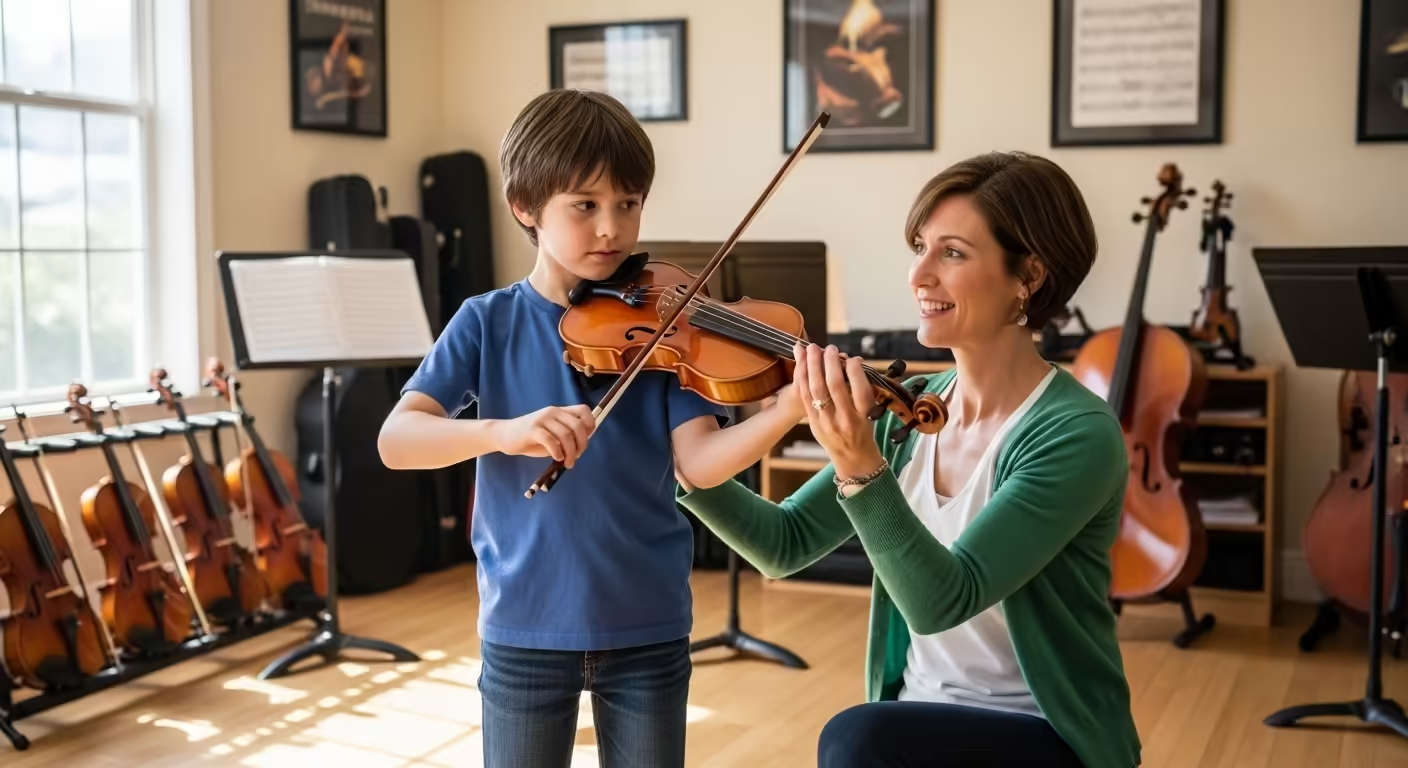
Violin can start as early as age four with fractional-size instruments and patient teacher support.
Violin for Kids — Is Violin a Good First Instrument?
Violin can be a beautiful first instrument, especially for focused children with patient support at home. It teaches posture, ear training, bow control, listening, patience, and precise movement from the very beginning.
Best For
Violin can be a great fit for children ages four and up, kids with good focus, families willing to help with early practice, and children who enjoy classical music or melodic sounds.
Challenges to Think About
Violin is harder than it looks at first. Early sound can be rough. Bow hold, shoulder position, and pitch control take time. Many children need more parent involvement than they would with piano or drums.
Still, if your child loves the sound, do not rule it out. Interest can carry them through the hard first weeks. For more on timing, our guide on the best age to start violin lessons breaks this down in detail.
Drums for Kids — Should My Child Start With Drums?
Parents often worry that drums mean noise, chaos, and broken lamps. But for the right child, drums are one of the best first instruments. They build pulse, rhythm, coordination, body awareness, timing, and listening all at once.
Best For
Drums often fit active children, kids with natural rhythm, children who love movement, and kids who struggle to sit still for long periods.
Managing Noise at Home
- Practice pad: Quiet and affordable for building technique
- Electronic drum kit: Use headphones for silent practice
- Shorter practice blocks: Ten focused minutes can be very effective
- Studio-based practice: Many San Diego families use lesson time as the main practice
For families in apartments or shared homes, electronic drums or studio-based practice work well.
Ukulele for Kids — A Smart First Step Before Guitar
If your child is young but loves the idea of guitar, ukulele deserves real attention. It has a smaller body, lighter weight, softer strings, simpler chords, and offers fast early success.
For ages four to seven, ukulele is often one of the most child-friendly instrument choices. Some early childhood and family classes also use ukulele to introduce rhythm, singing, and chord playing in a fun, accessible way.
Voice for Kids — Can Singing Be a First Instrument?
Every child already has a built-in instrument: the voice. But formal private voice lessons are not always the best first step for younger children.
Group Singing vs. Private Voice
Kids can often start choir or group singing around age six. However, serious private voice lessons are usually better after puberty, when the voice is more physically developed and can handle focused technique work safely.
A Great Path for Many Children
- Early childhood music class (ages 2–5)
- Choir or group singing (ages 6+)
- Piano, ukulele, or another instrument alongside singing
- Formal voice lessons later if interest stays strong
Even without private lessons, singing helps children build pitch matching, musical memory, confidence, breath use, and phrase shaping.
Which Instrument Should My Child Learn First by Age?
Which Instrument Fits My Child's Personality?
A child's personality often tells you more than age alone. This is not a strict rule, but it is a helpful starting point.
A loud child can love violin. A quiet child can love drums. The point is to notice what pulls your child in and start there.
Which Instrument Should Your Child Try First?
Answer three quick questions to get a personalized starting point.
Common Mistakes Parents Make When Choosing a First Instrument
Choosing Based on What the Parent Likes
Your childhood dream of playing saxophone is not your child's job. Let them lead with their own excitement.
Starting an Instrument Too Early
Interest helps, but readiness matters too. A child can love guitar and still be better starting on ukulele or piano first.
Buying the Cheapest Instrument Possible
A very poor instrument makes learning harder. Bad tuning, bad action, and poor sound frustrate children quickly. Renting a decent instrument first is a smarter approach.
Forcing Long Practice Sessions
Ten good minutes beats thirty upset minutes. Short, positive practice builds habits without battles.
Treating It Like a Lifetime Contract
It is okay to switch instruments later. Starting somewhere is always better than freezing because you want a perfect choice.
A free trial lesson at K&M Music School is the best way to see which instrument clicks. Our teachers in San Diego work with kids of all ages and help families find the right fit from day one.
Book Your Free Trial Lesson100% Free trial lesson • No credit card required
Frequently Asked Questions
Is piano the best first instrument for most kids?
For many children, yes. Piano gives beginners a clear visual layout of music, making it easier to understand pitch, rhythm, note reading, and harmony. It builds a strong foundation that transfers to other instruments later.
What is the easiest first instrument for kids?
There is no single easiest instrument for every child. However, piano, ukulele, and simple percussion instruments are often the most beginner-friendly because they produce a clear sound quickly and require less physical strain than instruments like violin or guitar.
Is guitar too hard for young children?
Standard guitar can be difficult for children under eight because of hand size and finger strength. Sore fingertips and stretching for chord shapes are common early challenges. For younger children, ukulele is often a better starting point before transitioning to guitar.
What age should a child start music lessons?
Children as young as four can start violin, cello, piano, or ukulele. Ages six to eight are ideal for adding guitar, drums, and choir. Woodwinds and brass are best after age nine when children have more breath control and adult teeth. Children under four benefit most from early childhood music classes with rhythm, movement, and singing.
What if my child wants to quit their instrument?
A child wanting to quit does not mean music failed. It may mean the instrument, lesson format, or timing was not the right fit. Many children who stop one instrument come back to music later with a different instrument or approach. The first instrument does not have to be the one they play forever.
Should my child start with voice lessons?
Group singing and choir can start around age six and are great for building musical skills. However, formal private voice lessons are usually better after puberty, when the voice is more physically developed. In the meantime, combining choir with piano or ukulele gives children a well-rounded start.