How Flute Lessons Improve Breath Control and Reduce Anxiety

Katherine Dvoskin, Co-Founder of K&M Music School
I hope you enjoy this blog post! If you're interested in scheduling a free trial lesson, just click.
Author: Katherine Dvoskin | Co-Founder of K&M Music School
Published: January 9th, 2026

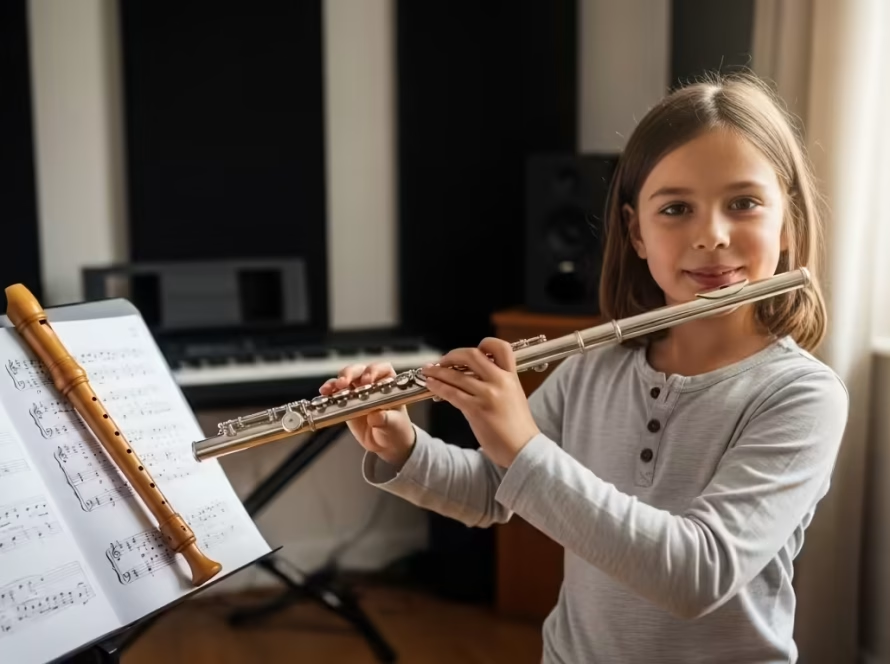
Flute lessons can help your breathing and your stress. First, playing flute teaches you to breathe deeper and with control. Because of that, your nervous system can calm down. Also, your lungs can get stronger over time. So flute practice can be a simple way to manage stress.
Many people breathe too shallow when they feel anxious. So these problems can be connected. When you play flute, you must use your diaphragm. Then your lung capacity can grow. Also, you learn to control your breath more precisely. At the same time, you must focus on the music. So your mind has less room for anxious thoughts. As a result, practice can feel calming, like meditation.
Understanding the Connection Between Breathing and Anxiety
How Anxiety Affects Your Breathing Patterns
Anxiety changes the way you breathe without you even noticing. When stress hits, your breathing becomes quick and shallow. You start taking short breaths from your chest instead of deep breaths from your belly. This chest breathing doesn’t fill your lungs properly.
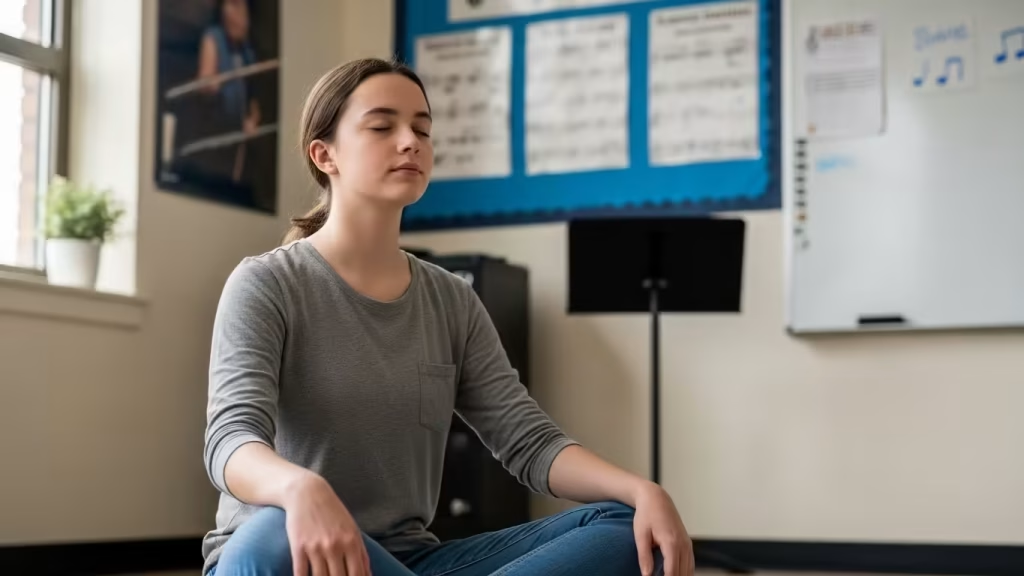
Shallow breathing can make your body think you are in danger. So your heart may race. Also, your chest can feel tight. You might even feel dizzy. Then anxiety makes breathing worse. And worse breathing makes anxiety worse. So you need to retrain your breathing to break the cycle.
Some studies show anxious people breathe about 15–20 times per minute. In comparison, a calmer rate is about 12–14 breaths per minute. This faster breathing can throw off oxygen and carbon dioxide balance. Then your body feels uncomfortable. So your mind feels more stressed too.
🎵 Music Lessons in San Diego
Transform Your Musical Journey with K&M Music School

Expert Music Lessons
Piano, Violin, Cello, Guitar, Ukulele, Saxophone, Bassoon, Harp, Voice, and Toddler group lessons.
Why Choose Us?
All Ages Welcome!
From toddlers to adults—everyone can discover the joy of music.
100% Free trial lesson • No credit card required
What is breath control, and why does it matter?
Breath control means choosing how you breathe. You manage your inhale and your exhale on purpose. This is a key part of yoga and meditation. When you control your breath, you send calming signals to your brain.
Better breathing can help in several ways. It can bring more oxygen to your body. So you may feel more energy and focus. It can also help your body relax. Then blood pressure may go down. Also, digestion can improve because you are less stuck in “stress mode.”
Why Flute Lessons Are Exceptional for Developing Breath Control
The physical demands of playing the flute
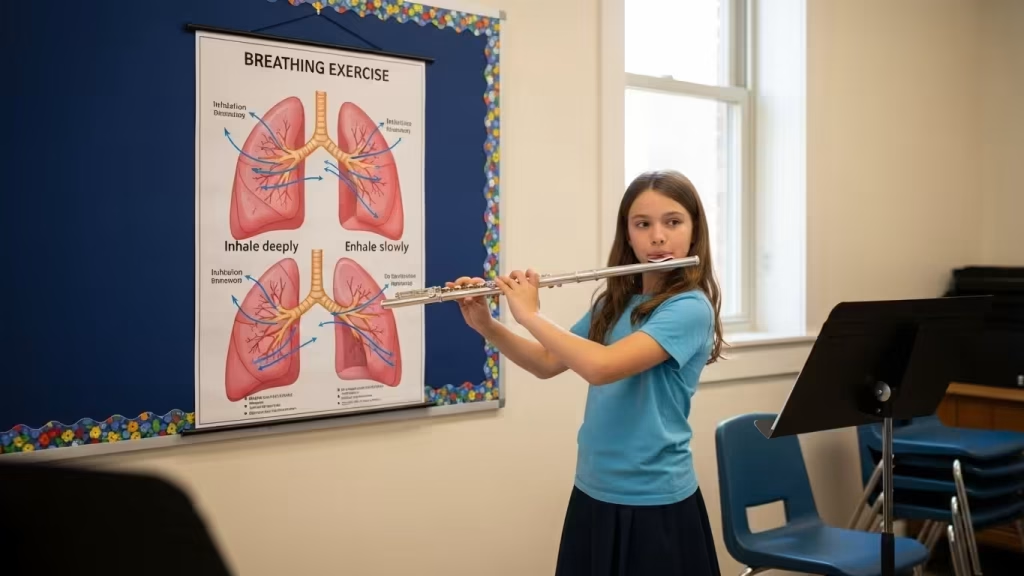
Playing the flute uses controlled airflow. You blow a steady stream of air across the mouthpiece to make sound. So you must use your diaphragm, not just your chest.
Flute practice can build lung strength over time. Each session gently trains your breathing muscles. You are not supposed to gasp or strain. Instead, you learn to breathe more efficiently.
Your core muscles also help when you play. Good posture matters because it opens your chest. Then your lungs can expand more fully. So your everyday breathing can improve, even when you are not practicing.
What beginners experience
Beginners start with breathing basics. Teachers often teach diaphragm breathing first. Then you practice blowing across the mouthpiece to make a clear tone. So early lessons are mostly about breath control.
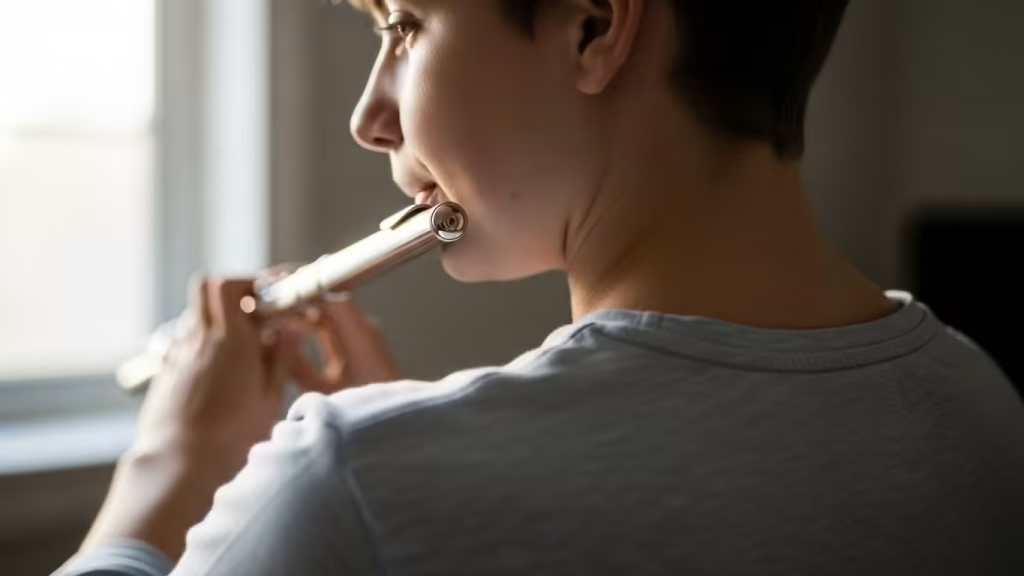
At first, many students run out of air mid-phrase. However, this helps you learn. You learn to take fuller breaths. Then you learn to use air more efficiently. Within a few weeks, you can hold notes longer. You can also play longer phrases without gasping.
Many students notice better breath control in about 4–8 weeks. Then daily life can feel easier. For example, stairs may feel less tiring. Also, long sentences may feel easier to speak.
Seven Ways Flute Lessons Reduce Anxiety and Improve Mental Health
1. Focus gives your brain a break
Playing the flute takes full attention. You must move your fingers, control your breath, read notes, and listen closely. So there is less room for worried thoughts.
This strong focus can create “flow.” Flow means you get fully absorbed in what you are doing. Then time can pass quickly. So practice can feel like a mental vacation from stress.
2. Rhythmic breathing helps your body relax
Flute playing uses slow, steady breathing. You breathe in deep and breathe out in a controlled rhythm. Because of that, your body’s relaxation system turns on.
When you play, you breathe in patterns that match the music. So your heart rate can slow down. Also, your muscles can loosen. Then you can feel calmer overall.
3. Progress builds confidence
Learning songs gives you clear progress. You can play something today that you could not play last week. So you feel less helpless.
Small wins add up. For example, you hold a note longer or play a scale smoothly. Then you start to believe, “I can improve.” That belief can lower anxiety.
Getting Started: Practical Guide to Beginning Flute Lessons
Finding a Qualified Flute Teacher

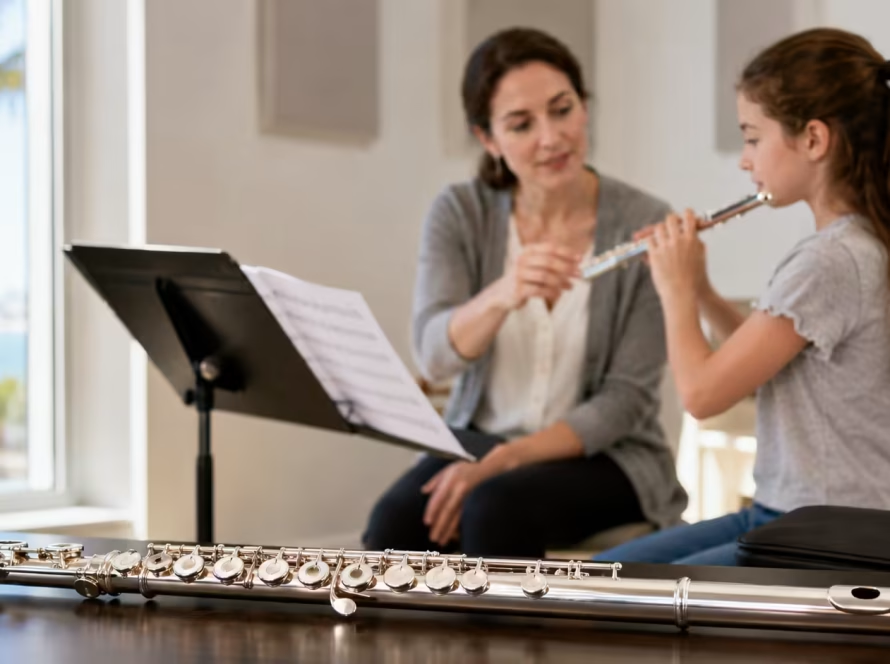
A good teacher makes the difference between frustration and progress. Look for instructors with performance degrees in flute or extensive teaching experience. Many teachers offer trial lessons so you can assess compatibility before committing.
Online lessons have become highly effective with modern video technology. Platforms like Zoom provide clear audio and video quality. Online instruction offers flexibility in scheduling and often lower costs than in-person lessons.
Questions to Ask Potential Teachers:
- What is your teaching philosophy for adult beginners?
- How do you incorporate breathing techniques into early lessons?
- What practice routine do you recommend for someone focused on anxiety reduction?
- Do you offer flexible scheduling?
- What are your rates and cancellation policies?
🎵 Music Lessons in San Diego
Transform Your Musical Journey with K&M Music School
Expert Music Lessons
Piano, Violin, Cello, Guitar, Ukulele, Saxophone, Bassoon, Harp, Voice, and Toddler group lessons.
Why Choose Us?
All Ages Welcome!
From toddlers to adults—everyone can discover the joy of music.
100% Free trial lesson • No credit card required
Beyond the Basics: Advanced Benefits for Committed Students
Performance Opportunities Build Resilience

Once you’ve been playing for several months, consider performing for friendly audiences. Start small: play for your partner, a supportive friend, or fellow students. These low-stakes performances build courage gradually.
Performing when you feel nervous can help your anxiety. This works like exposure practice. Each time you perform and nothing terrible happens, your brain learns it is not dangerous. Even if you make mistakes, you still get through it. So your confidence grows.
Joining Ensembles and Community Bands
Playing with others multiplies the benefits of solo practice. Community bands and flute choirs welcome players of all levels. You don’t need to be advanced to participate—just enthusiastic.
The social support networks formed in music groups are profound. These become friends who share your interests and support your growth. Research consistently shows that strong social connections are among the best predictors of low anxiety and good mental health.
Conclusion
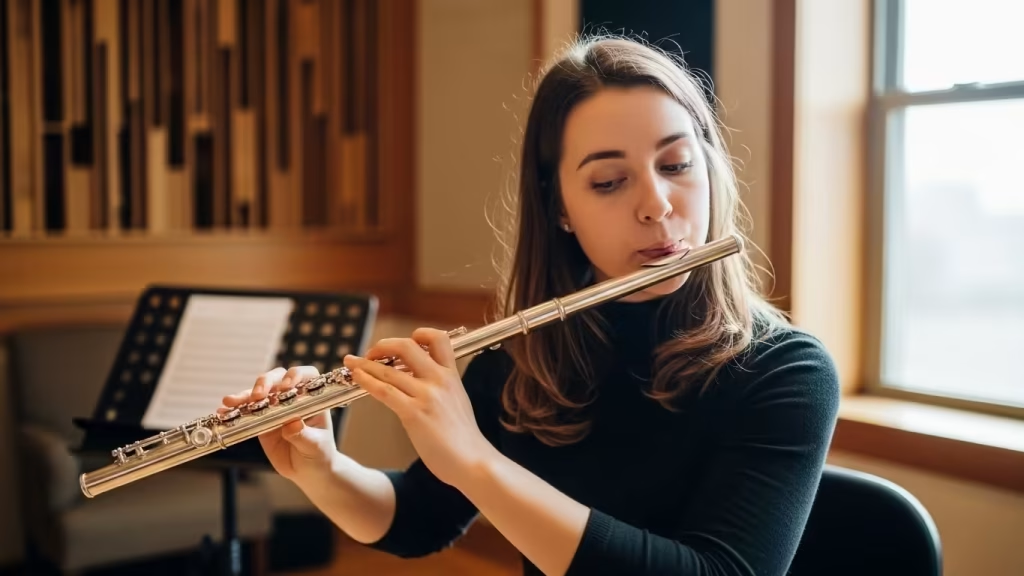
Flute lessons improve breath control and can reduce anxiety. This happens because you train your body and focus your mind at the same time. With regular practice, your lungs get stronger. Then your breathing habits improve throughout the day. Because of that, breath control can help you stay calmer in stressful moments.
The mental benefits go beyond breathing. For example, focused practice can feel like daily meditation. Also, making music gives you a healthy emotional release. Then steady progress can build confidence. At the same time, a weekly routine can add stability.
Scientific research supports what many students feel. Studies show that wind instruments can improve lung function. Also, breathing exercises can reduce anxiety. In addition, making music can lower stress hormones. So this is not just a nice idea. Instead, it is backed by evidence.
The journey starts small. It starts with one breath. Then it becomes one note. After that, it becomes one lesson. Sign up for a free trial lesson.
Katherine Dvoskin, Co-Founder of K&M Music School
She is the co-founder of K&M Music School in San Diego, is a passionate music educator with over 25 years of experience. She offers expert piano lessons in San Diego. At K&M Music School, we teach Piano, Violin, Cello, Saxophone, Bassoon, Harp, Voice, and Toddler group lessons. Katherine's blog shares insights on music education, covering topics from toddler music group lessons to adult music lessons. Whether you're seeking private music lessons or group music lessons for toddlers near you, welcome to K&M Music School.