How Much Should a Child Practice Piano Daily for Progress?

Katherine Dvoskin, Co-Founder of K&M Music School

Katherine Dvoskin, Co-Founder of K&M Music School

I hope you enjoy this blog post! If you're interested in scheduling a free trial lesson, just click.
Author: Katherine Dvoskin | Co-Founder of K&M Music School
Published March 4th, 2025

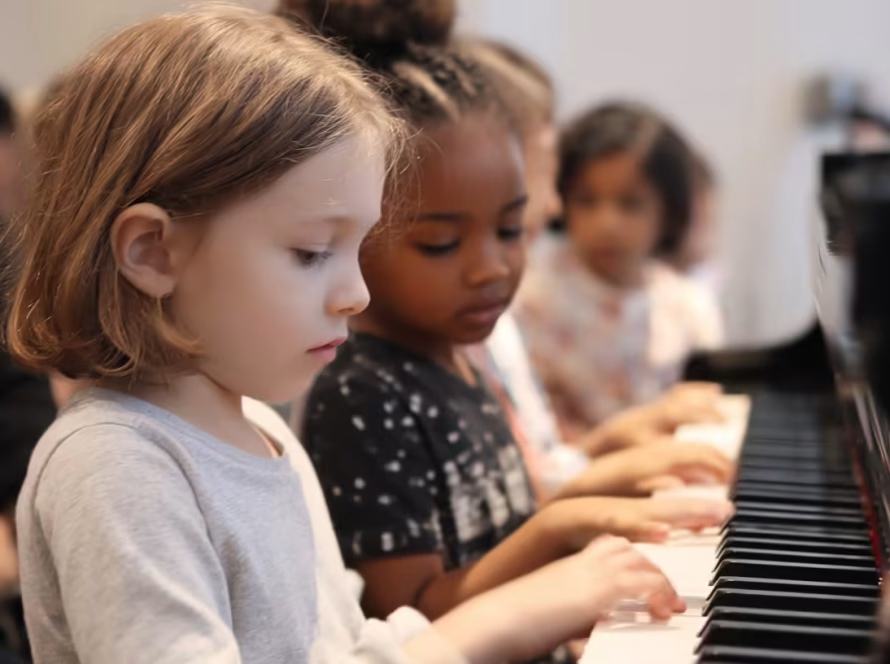
young student practicing piano at K&M Music School

How Much Should a Child Practice Piano Daily for Progress? Discover the perfect amount of daily piano practice for your child’s musical journey. Learn tips, benefits, and common mistakes to ensure progress. Start your child’s musical adventure today!

Piano lessons are a great way to start learning music. But how much should a child practice daily? This guide will explain how much practice is needed to make progress. We’ll also cover the benefits, tips for good practice, and mistakes to avoid. Let’s dive in!

Age & Skill Level Practice Time Benefits & Tips
3-7 Years (Beginner) 15-20 min daily Benefits: Cognitive, emotional, musical development
Tips: Use rewards, make it fun
8-12 Years (Beginner) 20-30 min daily Benefits: Improved memory, confidence
Tips: Set clear goals, be positive
Intermediate 30-45 min daily Benefits: Enhanced concentration, self-esteem
Tips: Variety in practice, consistent schedule
Advanced 45-60 min daily Benefits: Better coordination, creativity
Tips: Focus on technique, positive reinforcement
Top Brands Beginner: Yamaha, Kawai
Intermediate: Roland, Casio
Advanced: Nord, Korg
Support: Parental encouragement, teacher guidance, supportive environment
Common Mistakes Overpracticing: Set goals, take breaks
Lack of Variety: Mix different pieces
Ignoring Technique: Focus on proper hand position
Long-Term Benefits: Lifelong skill, cultural literacy, cognitive aging, emotional well-being

The Importance of Daily Piano Practice for Kids

Daily piano practice is crucial for a child’s musical development. It helps improve memory, concentration, and hand-eye coordination. Additionally, daily practice builds confidence and self-esteem. Moreover, it develops a better ear for music and understanding of rhythm. In short, daily piano practice is a key factor in a child’s musical progress.

Katherine and Michael Dvoskin - Founders of K&M Music School

Music Lessons in San Diego with K&M Music School

1 Expert Music Lessons

We offer Piano, Violin, Cello, Guitar, Ukulele, Saxophone, Bassoon, Harp, Voice, and Toddler group lessons for students of all ages and skill levels.

2 Why Choose Us?

  • 🎶 Boosts focus and self-discipline
  • 🎵 Strengthens cognitive skills
  • 🎼 Enhances cultural understanding
  • 🎤 Builds confidence through recitals

3 We Welcome Adults Too!

Book Your Free Lesson Now

Benefits of Daily Piano Practice

Daily piano practice offers numerous benefits for children. Here are some of the key advantages:

  • Cognitive Benefits: Daily practice improves memory, concentration, and hand-eye coordination. It also enhances problem-solving skills and critical thinking.
  • Emotional Benefits: Daily practice builds confidence and self-esteem. It also reduces stress and anxiety, making children more resilient.
  • Daily practice helps you hear music better and understand rhythm. It also boosts musicality and creativity.

Why Consistency Matters

Consistency is key to progress in piano. Daily practice helps build muscle memory and muscle strength. It also helps children develop a love for music. Moreover, consistency makes practice a habit, which is essential for long-term success. So, make sure your child practices daily, even if it’s just for a short time.

How Much Should a Child Practice Piano Daily for Progress?

How much practice a child needs depends on their age and skill level. Here’s a simple guide to help you know the right amount of practice for each group.

Age and Skill Level Considerations

Different age groups and skill levels require different amounts of daily practice. Here’s a simple breakdown:

  • Younger kids (3-7 years) can practice for 15-20 minutes. Make it fun and interesting. This helps keep them engaged.
  • Older kids (8-12 years) can practice for 20-30 minutes. Still, keep practice fun and not too long. This helps them stay focused.
  • Skill Level: Beginners might need less daily practice, around 15-20 minutes. Intermediate students can handle more, around 30-45 minutes. Advanced students might need even more, around 45-60 minutes.
vibrant clock displaying time

Recommended Daily Practice Times

Here’s a table to show how much practice different ages and skill levels need. It helps you understand the time required.

Age Group Skill Level Daily Practice Time
3-7 Years Beginner 10-15 minutes
8-12 Years Beginner 15-25 minutes
8-12 Years Intermediate 25-40 minutes
12-16 Years Advanced 40-55 minutes

Remember, consistency is more important than the total amount of practice time. So, make sure your child practices daily, even if it’s just for a short time.

Tips for Effective Daily Piano Practice

Effective daily piano practice requires a plan and a positive attitude. Here are some tips to help you make the most of your child’s practice time.

Setting a Practice Schedule

A consistent practice schedule is key to progress. Here are some tips to help you set a practice schedule:

  • Make Practice a Habit: Make practice a part of your child’s daily routine. This could be before or after school, or even in the evening.
  • Be Flexible: Be flexible with the schedule. If your child is having a tough day, don’t force practice. Instead, make it a fun activity that they look forward to.
  • Set a timer. This helps keep track of practice time. It shows how long to practice and makes it more fun.

Creating a Practice Environment

A comfortable and quiet practice space is essential for effective daily piano practice. Here are some tips to help you create the perfect practice environment:

  • Pick a quiet place. It can be a spare room, a corner in the living room, or a peaceful spot outside. This will help your child focus.
  • Use the Right Tools: Make sure your child has the right tools for practice. This includes a good-quality piano, a music stand, and sheet music.
  • Keep it Organized: Keep the practice space organized. This makes practice more enjoyable and helps children stay focused.

Making Practice Fun

Making practice fun is essential for keeping children engaged and motivated. Here are some tips to help you make practice more enjoyable:

Use Rewards: Use rewards to motivate children. This could be a sticker chart, a special treat, or even a trip to the music store.

Be Positive: Be positive and encouraging. Praise your child’s efforts, no matter how small. This helps build confidence and self-esteem.

Common Mistakes to Avoid

Even with the best intentions, it’s easy to make mistakes when it comes to daily piano practice. Here are some common mistakes to avoid:

Overpracticing

Overpracticing can lead to burnout and poor technique. Here are some tips to help you avoid overpracticing:

  • Set clear goals for each practice. This helps children know what to focus on and makes practice more effective.
  • Take Breaks: Take regular breaks during practice sessions. This helps prevent burnout and keeps children engaged.
  • Listen to Your Child: Listen to your child’s feedback. If they seem tired or frustrated, it’s time to take a break.

Lack of Variety

Lack of variety in practice can lead to boredom and poor progress. Here are some tips to help you avoid lack of variety:

  • Practice Different Pieces: Practice different pieces regularly. This helps children develop a wide range of skills and keeps practice interesting.
  • Incorporate Different Techniques: Incorporate different techniques into practice sessions. This could be scales, arpeggios, or even improvisation.
  • Mix It Up: Mix up practice sessions. This could mean practicing a new piece one day, and then reviewing an old piece the next.
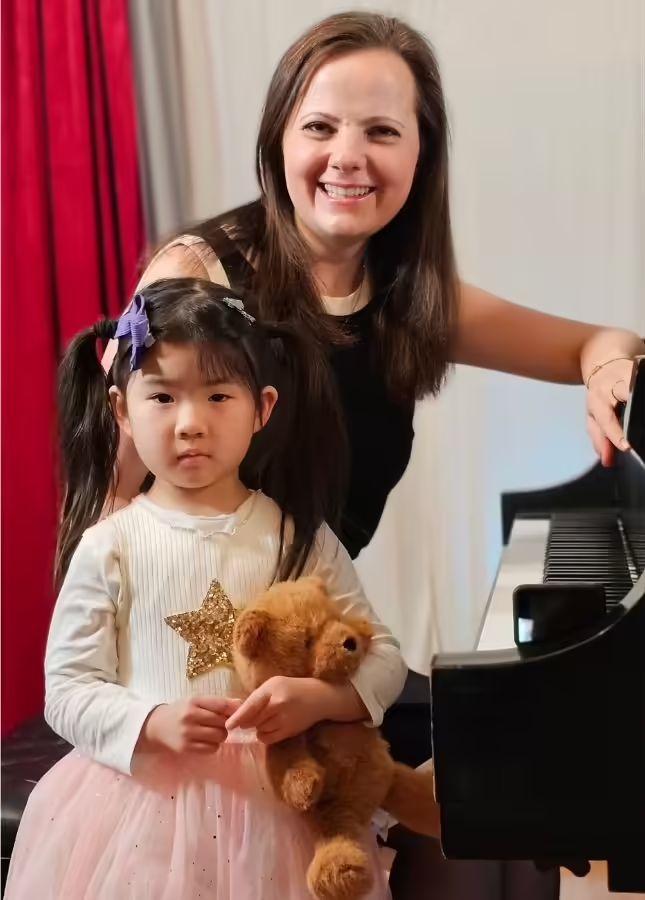
A young piano student with her teacher at K&M Music School, smiling after a recital performance, highlighting the joy of music education.

Monitoring Progress

Monitoring progress is essential for keeping children motivated and making adjustments as needed. Here are some tips to help you monitor progress:

Setting Goals

Setting specific, measurable goals is key to monitoring progress. Here are some tips to help you set goals:

  • Short-Term Goals: Set short-term goals for each practice session. This could be learning a new piece, or improving a specific technique.
  • Long-Term Goals: Set long-term goals for the entire practice period. This could be preparing for a recital, or mastering a specific piece.
  • Set clear goals. This helps children know what to work on and makes progress easier to measure.

Regular Check-ins

Regular check-ins with a piano teacher are essential for monitoring progress. Here are some tips to help you make the most of check-ins:

  • Ask questions during check-ins. This helps teachers know what your child is working on and gives chances for feedback.
  • Be Open: Be open to feedback. This helps teachers identify areas for improvement and make adjustments as needed.
  • Celebrate Success: Celebrate success during check-ins. This helps build confidence and self-esteem, and keeps children motivated.

The Role of a Piano Teacher

A piano teacher plays a crucial role in a child’s musical journey. Here’s why:

  • Guidance: A teacher provides guidance and support. They help children stay motivated and make progress.
  • Feedback: A teacher provides feedback. They help children identify areas for improvement and make adjustments as needed.
  • Motivation: A teacher motivates children. They help children see the value in practice and make progress.

Finding the Right Piano Teacher

Finding the right piano teacher is essential for a child’s success. Here are some tips to help you find the right teacher:

  • Ask Around: Ask friends, family, and neighbors for recommendations. They might know a great teacher in your area.
  • Check Credentials: Check the teacher’s credentials. Make sure they have the necessary qualifications and experience.
  • Observe Lessons: Observe a few lessons. This helps you understand the teacher’s style and whether it’s a good fit for your child.
  • Trust Your Instincts: Trust your instincts. If something doesn’t feel right, it probably isn’t.

What to Expect from Piano Lessons

Piano lessons are a unique experience for children. Here’s what to expect:

  • Structure: Lessons are structured. They follow a specific format, with a warm-up, technique work, and piece practice.
  • Variety: Lessons are varied. They include different techniques, pieces, and activities.
  • Feedback: Lessons provide feedback. Teachers help children identify areas for improvement and make adjustments as needed.
  • Fun: Lessons are fun. They include games, rewards, and positive reinforcement.

The Importance of a Supportive Home Environment

A supportive home environment is essential for a child’s success in piano. Here’s why:

  • Encouragement: A supportive home environment encourages. Parents and caregivers praise children’s efforts and help them stay motivated.
  • Resources: A supportive home environment provides resources. This includes a good-quality piano, sheet music, and other necessary tools.
  • Consistency: A supportive home environment provides consistency. This includes a consistent practice schedule and a quiet practice space.

A supportive home environment provides patience. Parents and caregivers help children by being patient and understanding. This helps kids overcome challenges and make progress.

Katherine and Michael Dvoskin - Founders of K&M Music School

Music Lessons in San Diego with K&M Music School

1 Expert Music Lessons

We offer Piano, Violin, Cello, Guitar, Ukulele, Saxophone, Bassoon, Harp, Voice, and Toddler group lessons for students of all ages and skill levels.

2 Why Choose Us?

  • 🎶 Boosts focus and self-discipline
  • 🎵 Strengthens cognitive skills
  • 🎼 Enhances cultural understanding
  • 🎤 Builds confidence through recitals

3 We Welcome Adults Too!
Book Your Free Lesson Now

Creating a Supportive Home Environment

Creating a supportive home environment is essential for a child’s success in piano. Here are some tips to help you create a supportive environment:

  • Be Positive: Be positive and encouraging. Praise your child’s efforts, no matter how small. This helps build confidence and self-esteem.
  • Provide Resources: Provide the necessary resources. This includes a good-quality piano, sheet music, and other necessary tools.
  • Establish a Routine: Establish a consistent practice routine. This helps children develop a habit of practice and makes progress more likely.
  • Be Patient: Be patient and understanding. Help your child overcome challenges and make progress, one step at a time.

The Impact of Daily Piano Practice on Cognitive Development

Daily piano practice has a significant impact on cognitive development. Here’s how:

  • Improved Memory: Daily practice improves memory. It helps children remember notes, rhythms, and techniques more easily.
  • Enhanced Concentration: Daily practice enhances concentration. It helps children focus better and stay on task.
  • Better Hand-Eye Coordination: Daily practice improves hand-eye coordination. It helps children develop better control and precision with their hands.
  • Increased Problem-Solving Skills: Daily practice increases problem-solving skills. It helps children think critically and find creative solutions to musical challenges.

How Piano Practice Affects the Brain

Piano practice affects the brain in several ways. Here’s how:

  • Neuroplasticity: Daily practice promotes neuroplasticity. It helps the brain form new connections and adapt to new challenges.
  • Gray Matter Density: Daily practice increases gray matter density. It helps the brain grow and develop more efficiently.
  • Cognitive Reserve: Daily practice increases cognitive reserve. It helps the brain become more resilient and better equipped to handle challenges.
  • Executive Function: Daily practice improves executive function. It helps children plan, organize, and prioritize their tasks more effectively.

The Emotional Benefits of Daily Piano Practice

Daily piano practice has numerous emotional benefits. Here’s how:

  • Increased Confidence: Daily practice builds confidence. It helps children feel more capable.
  • Reduced Stress and Anxiety: Daily practice reduces stress and anxiety. It helps children manage their emotions more effectively and stay calm under pressure.
  • Improved Self-Esteem: Daily practice improves self-esteem. It helps children feel proud of their achievements and more positive about themselves.
  • Daily practice boosts creativity. It helps children think in new ways and solve music challenges.

The Power of Music in Emotional Well-being

Music plays a powerful role in emotional well-being. Here’s how:

  • Music helps children express their feelings. It also reduces stress and anxiety.
  • Relaxation: Music promotes relaxation. It helps children unwind and find peace of mind.
  • Connection: Music fosters connection. It helps children form bonds with others and feel more connected to the world around them.
  • Healing: Music has healing properties. It helps children recover from illness and injury more quickly and effectively.
A young piano student at K&M Music School, dressed in a white shirt with a colorful bow tie, preparing to perform at a recital on a Baldwin piano.

The Social Benefits of Piano Lessons

Piano lessons have numerous social benefits. Here’s how:

  • Piano lessons improve communication skills. They help children share their ideas clearly and listen carefully to others.
  • Enhanced Teamwork: Piano lessons enhance teamwork. They help children work together, collaborate, and support each other.
  • Increased Empathy: Piano lessons increase empathy. They help children understand and share the feelings of others more deeply.
  • Broadened Horizons: Piano lessons broaden horizons. They help children explore new cultures, traditions, and perspectives.

The Physical Benefits of Daily Piano Practice

Daily piano practice has numerous physical benefits. Here’s how:

  • Improved Posture: Daily practice improves posture. It helps children stand taller, sit straighter, and move more gracefully.
  • Enhanced Flexibility: Daily practice enhances flexibility. It helps children become more limber and agile.
  • Increased Strength: Daily practice increases strength. It helps children develop stronger muscles and bones.
  • Better Coordination: Daily practice improves coordination. It helps children move more smoothly and efficiently.

The Long-Term Benefits of Piano Practice

Piano practice has numerous long-term benefits. Here’s how:

  • Lifelong Skill: Piano practice is a lifelong skill. It helps children develop a valuable skill that they can use and enjoy for the rest of their lives.
  • Cultural Literacy: Piano practice increases cultural literacy. It helps children understand and appreciate different musical styles, genres, and traditions.
  • Piano practice helps with cognitive aging. It helps children keep their brain strong and lowers the risk of dementia and Alzheimer’s.

Piano practice improves emotional well-being. It helps children manage emotions, stay calm, and reduce stress.

The Challenges of Daily Piano Practice

Daily piano practice comes with its own set of challenges. Here’s how to overcome them:

  • Motivation: Staying motivated can be challenging. Make practice a fun activity and use rewards to keep children engaged.
  • Consistency: Staying consistent can be challenging. Establish a routine and make practice a habit.
  • Patience: Being patient can be challenging. Help children overcome challenges and make progress, one step at a time.
  • Feedback: Receiving feedback can be challenging. Be open to feedback and make adjustments as needed.

Conclusion

Daily piano practice is essential for a child’s musical development, offering numerous cognitive, emotional, and musical benefits. Consistency is key, and the amount of practice needed varies based on age and skill level. By creating a supportive environment, setting clear goals, and making practice fun, you can help your child build confidence, self-esteem, and a lifelong love for music.

Katherine and Michael Dvoskin - Founders of K&M Music School

Music Lessons in San Diego with K&M Music School

1 Expert Music Lessons

We offer Piano, Violin, Cello, Guitar, Ukulele, Saxophone, Bassoon, Harp, Voice, and Toddler group lessons for students of all ages and skill levels.

2 Why Choose Us?

  • 🎶 Boosts focus and self-discipline
  • 🎵 Strengthens cognitive skills
  • 🎼 Enhances cultural understanding
  • 🎤 Builds confidence through recitals

3 We Welcome Adults Too!

Book Your Free Lesson Now

Call to Action

Start your child’s musical adventure today! Set a consistent practice schedule, provide the necessary resources, and stay positive and encouraging. With dedication and the right support, your child can achieve remarkable progress in their piano journey. Grab your piano and let’s get started!

FAQs

How Much Should a Child Practice Piano Daily for Progress?

  • Younger Children (3-7 years): 15-20 minutes
  • Older Children (8-12 years): 20-30 minutes
  • Intermediate: 30-45 minutes
  • Advanced: 45-60 minutes

What Are the Benefits of Daily Piano Practice for Kids?

  • Cognitive Benefits: Improved memory, concentration, and hand-eye coordination.
  • Emotional Benefits: Increased confidence and self-esteem, reduced stress and anxiety.
  • Musical Benefits: Developed ear for music, understanding of rhythm, improved musicality and creativity.

How Can I Make Piano Practice Fun for My Child?

  • Incorporate games into practice sessions.
  • Use rewards to motivate children.
  • Be positive and encouraging.

What Are Common Mistakes to Avoid When Practicing Piano?

  • Overpracticing: Set specific goals, take breaks, and listen to your child.
  • Lack of Variety: Practice different pieces and techniques. Change up your practice sessions to keep it interesting.

What Role Does a Piano Teacher Play in a Child’s Musical Journey?

  • A piano teacher provides guidance, feedback, and motivation, helping children stay motivated and make progress.

How Can I Create a Supportive Home Environment for Piano Practice?

  • Be positive and encouraging.
  • Provide the necessary resources.
  • Establish a consistent practice routine.
  • Be patient and understanding.

What Are the Long-Term Benefits of Piano Practice?

  • Lifelong Skill: A valuable skill for life.
  • Cultural Literacy: Understanding and appreciation of different musical styles.
  • Cognitive Aging: Maintaining cognitive function and reducing the risk of dementia.
  • Emotional Well-being: Managing emotions, staying calm, and finding relief from stress.

Follow this guide to help your child make great progress in piano. Grab your piano, and let’s get started!

Katherine Dvoskin, Co-Founder of K&M Music School

Katherine Dvoskin, Co-Founder of K&M Music School

She is co-founder of K&M Music School in San Diego, is a passionate music educator with over 25 years of experience. She offers expert piano lessons in San Diego. At K&M Music School, we teach Piano, Violin, Cello, Saxophone, Bassoon, Harp, Voice, and Toddler group lessons. Katherine's blog shares insights on music education, covering topics from toddler music group lessons to adult music lessons. Whether you're seeking private music lessons or group music lessons for toddlers near you, welcome to K&M Music School.

Leave a comment