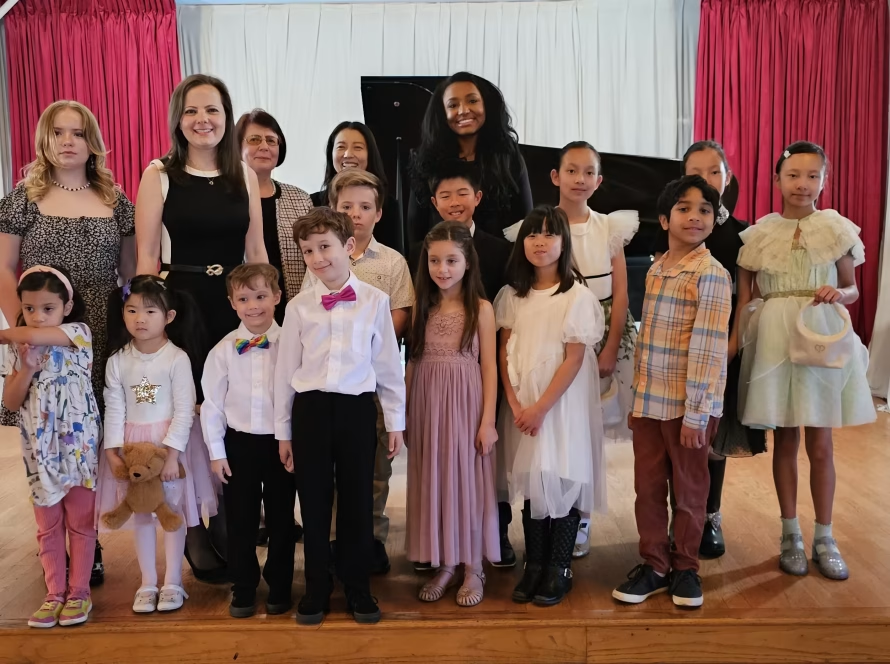
How Music Summer Camp Prepares Students for the Stage

Katherine Dvoskin, Co-Founder of K&M Music School
I hope you enjoy this blog post! If you're interested in scheduling a free trial lesson, just click.
Author: Katherine Dvoskin | Co-Founder of K&M Music School
Published March 3rd, 2025

Discover how music summer camp transforms students into confident performers. Learn the benefits, what to expect, and how to choose the right camp. Don’t miss out on this guide!
Imagine a summer full of music, friends, and learning. Music summer camp isn’t just a vacation; it’s a chance to grow. These camps help students build skills, confidence, and a love for music. This article shows how camp prepares students for the stage. Let’s explore how music summer camp can set students up for success.
| Camp Spotlight | What's the Vibe? | Featured Names |
|---|---|---|
| Instrument-Focused | Level up skills, build confidence, make friends while honing in on a specific instrument. | Yale Summer Music Camp, Interlochen Center for the Arts, Berklee Summer Music Camp |
| General Music | Explore a wide range of musical styles, collaborate with others, and shine in performance opportunities. | Camp Fire, Camp Oasis, Camp Woodland |
| Key Benefits (All) | Boost skills, confidence, friendships, and performance experience in a supportive and fun environment. | Numerous local and national camps available. Search online for specific options! |
The Benefits of Music Summer Camp
Skill Development
Music summer camp helps students improve their skills through daily practice and lessons. Whether they play an instrument or sing, expert coaches guide them to reach their best. Music theory is a big part of the camp, teaching rhythm, notes, and writing music. Students also play in groups like bands, choirs, or orchestras. This teamwork helps them learn communication skills that are useful on and off the stage.

Music Lessons in San Diego with K&M Music School
Expert Music Lessons
We offer Piano, Violin, Cello, Saxophone, Bassoon, Harp, Voice, and Toddler group lessons for students of all ages and skill levels.
Why Choose Us?
- 🎶 Boosts focus and self-discipline
- 🎵 Strengthens cognitive skills
- 🎼 Enhances cultural understanding
- 🎤 Builds confidence through recitals and performances
We Welcome Adults Too!
Book Your Free Lesson NowInstrument Proficiency
Learning an instrument is a journey, and music summer camp speeds it up. Daily practice with experienced teachers helps students get better. Whether they’re starting guitar or improving piano skills, they see progress in just a few weeks. Regular feedback keeps them on track and helps them improve steadily.
Vocal Training
Vocal training is key for singers at music camp. Expert coaches help students improve their voice, technique, and control. Warm-ups, exercises, and group singing build strength and confidence. Students also learn to sing in different styles. By the end of camp, singers usually see big improvements in their voice.
Music Theory
Understanding music theory is important for all musicians. Music camp offers classes on rhythm, notation, and composition. Students learn to read music, understand chords, and create their own melodies. This knowledge helps with both playing and writing music. By the end of camp, students can use music theory in their playing and singing.
Ensemble Playing
Ensemble playing is a big part of music camp. Students work with others in band, choir, or orchestra. They learn to play together as a team. This helps with teamwork and communication skills, both on and off stage. Rehearsals teach listening, following a conductor, and blending with others. Performances let students show their skills and gain experience.
Building Confidence
Regular performances are an important part of music camp. They help students feel more confident and less nervous. Performing in front of an audience teaches a valuable skill. Teachers and peers give feedback to show what can be improved. A supportive environment encourages creativity and builds a lasting love for music.

Performance Opportunities
Performing in front of an audience is an important step for many students. Music camp gives lots of chances to perform, from small recitals to big concerts. These performances help students gain confidence and reduce nervousness. Each performance is a chance to learn and feel proud of what they’ve accomplished.
Feedback and Critique
Constructive feedback helps students learn. Teachers and classmates give feedback on performances, showing what to improve. This feedback covers technique, expression, and stage presence. Students learn to accept and use it, which helps them grow.
Supportive Environment
A supportive environment helps build confidence. Music camp creates a safe space for students to take risks and make mistakes. Teachers are patient and encouraging, making learning fun. This helps students be creative and express themselves. It builds a lasting love for music.
Social and Emotional Growth
Making new friends and working together helps students feel included. Campers form strong bonds that last after camp. Overcoming challenges builds emotional strength. Music lets students express themselves and grow. These skills are just as important as music skills, making camp a great experience.
Friendship and Teamwork
Music camp is a place where students make new friends and work as a team. Campers form lasting bonds that go beyond camp. This sense of belonging helps them love music and want to keep learning. The teamwork skills learned at camp are useful in school and later in life.
Resilience
Overcoming challenges and learning from mistakes builds emotional strength. Music summer camp gives students a safe place to try new things and make mistakes. Teachers encourage them to learn from these experiences. This helps students grow emotionally, which is just as important as learning music. That’s why music summer camp is a great experience.
Self-Expression
Music helps students express themselves, which boosts self-awareness and growth. At camp, students explore different music styles and find what they like. This self-expression builds creativity and confidence. It also helps students develop a lifelong love for music. By playing music, they understand themselves and the world better.
What to Expect at a Music Summer Camp
Daily Schedule
A typical day at music camp helps students learn. The day starts with wake-up calls, breakfast, and warm-ups. Then, students have group lessons, private lessons, and rehearsals. Lunch and recess let students relax and talk with friends. In the afternoon, there are workshops, masterclasses, and performance prep. This helps students be creative and express themselves, building a love for music.
| Morning | Afternoon | Evening |
|---|---|---|
| Wake-up calls, breakfast, warm-ups | Workshops, masterclasses, performance prep | Evening concerts and recitals |
Morning Routine
The morning routine sets the tone for the day. Wake-up calls help students start on time, followed by a healthy breakfast. Morning warm-ups get their bodies and minds ready for lessons. This routine helps students stay focused and motivated at camp.
Classroom Sessions
Classroom sessions are the main part of music summer camp. Group lessons cover many topics, like instrument skills and music theory. Private lessons let students work one-on-one with teachers for personal feedback. Ensemble rehearsals help students play with others, building teamwork and communication. These sessions are fun and keep students excited to learn more.
Lunch and Recess
Lunch and recess give students a break from lessons. They enjoy healthy meals and have time to relax and talk with friends. This break helps them recharge and get ready for afternoon activities.
Afternoon Activities
In the afternoon, there are workshops, masterclasses, and performance prep. Workshops teach things like music production, songwriting, and music tech. Masterclasses let students learn from guest instructors. Performance prep helps students practice for upcoming shows. These activities keep students learning and having fun.
Evening Performances
Evening performances are a big part of music camp. Campers show their skills to family and friends, feeling proud of what they’ve done. These performances let students celebrate their progress and gain experience. They’re a fun way to end the day, leaving campers feeling proud and accomplished.
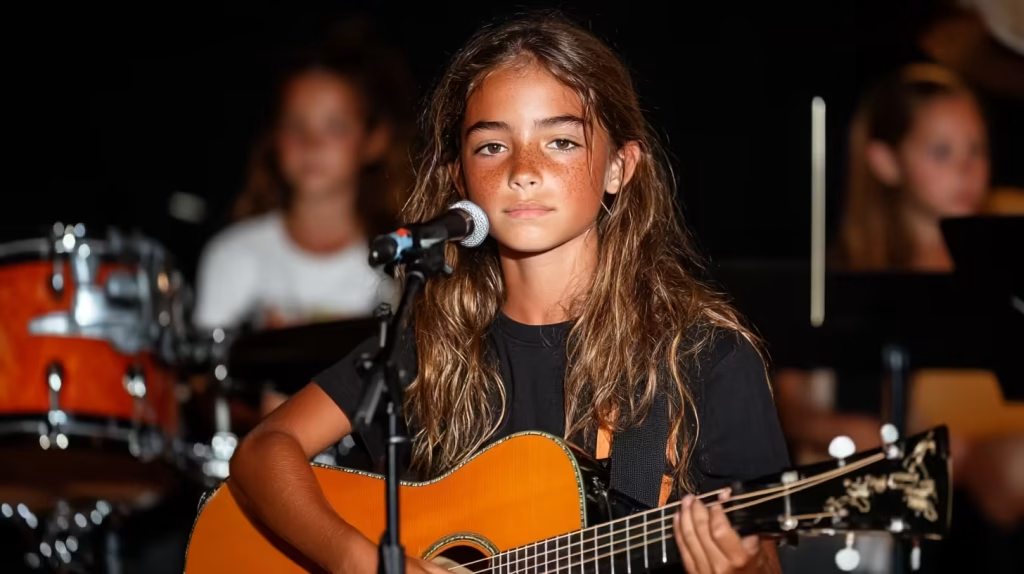
Camp Activities
Workshops teach music production, songwriting, and tech at camp. Field trips to concerts and events give real-life experiences. Campsite performances let students show what they’ve learned. These activities make camp fun and unforgettable.
Workshops
Workshops are a great way to learn new music skills. Music camp offers workshops on music production, songwriting, and music technology. Students can learn from experts and gain new skills. Whether making music or writing songs, workshops offer plenty of learning opportunities.
Field Trips
Field trips are a fun way to learn about music. Music camps take students to local music venues, concerts, and events. These trips let students see music in real life. Whether at a concert or music venue, field trips give a special look at the music world.
Campsite Performances
Campsite performances are a fun way for students to show what they’ve learned. Evening concerts and recitals let campers perform for family and friends. These performances help students celebrate and gain experience. They are one of the best parts of camp, making the day exciting and memorable.
Choosing the Right Music Summer Camp
Factors to Consider
When choosing a music camp, think about a few things. First, check if the camp focuses on specific instruments or general music. Next, look at the teachers’ qualifications—experienced teachers are the best. The camp’s location is important too, so think about how far it is and how easy it is to get there. Finally, consider the camp size. Smaller camps give more personal attention.
| Factor | Importance |
|---|---|
| Program Focus | High |
| Instructor Qualifications | High |
| Camp Location | Medium |
| Camp Size | Medium |
Program Focus
Program focus is important when picking a music camp. Some camps specialize in one instrument, while others offer general music. If your child wants to focus on a specific instrument, choose a camp for that. General music programs let students try different instruments and styles.
Instructor Qualifications
Instructor qualifications are important for a good music camp. Experienced and certified teachers provide high-quality lessons, helping students improve. Look for teachers who love teaching and understand music well. Patient and encouraging instructors create a positive environment, making students love music more.
Camp Location
Camp location is another important factor to consider. Proximity to home makes it easier for parents to drop off and pick up their children. Cultural attractions and travel convenience also play a role in camp location. Look for a camp that is convenient for your family and offers a variety of cultural experiences.
Camp Size
Camp size is important when choosing a music camp. Smaller camps give more personal attention. Larger camps offer more music experiences and instruments. Think about what your child needs when choosing the size.
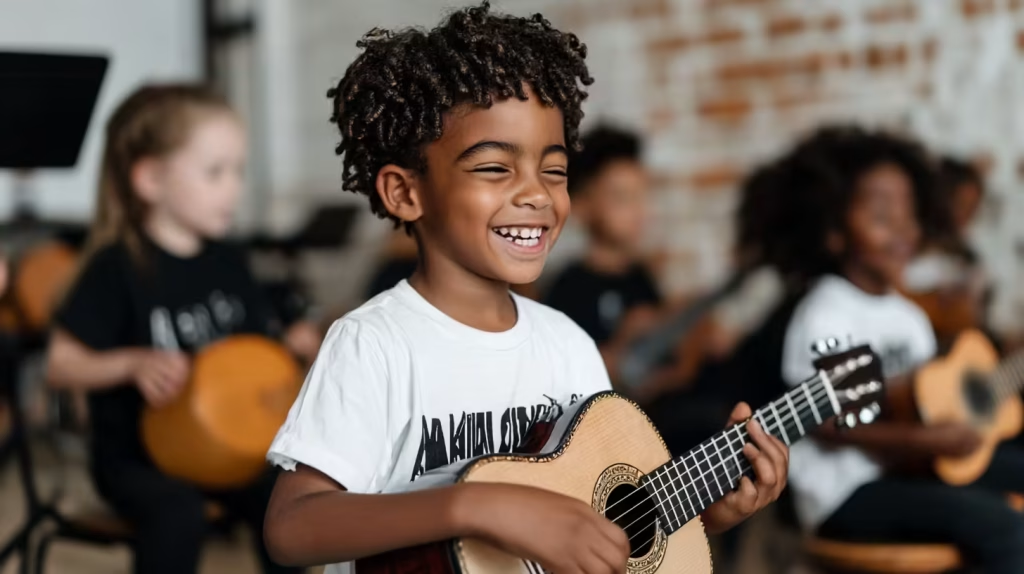
Reviews and Recommendations
Online reviews from past campers and parents can be helpful. Social media like Instagram and Facebook are great for seeing what people say about the camp. You can also ask friends, family, and teachers for recommendations. These reviews help parents choose the best music camp for their child.
Online Reviews
Online reviews from past campers and parents can give helpful information. Websites like Yelp and Google Reviews have lots of details. These reviews show both the good and bad points of a camp. They help parents make a smart choice.
Social Media
Social media like Instagram and Facebook is good for following camp accounts. These accounts post photos, videos, and updates. Parents can also talk to other campers and parents for advice. This helps them know what to expect.
Word of Mouth
Word of mouth from friends, family, and teachers is helpful. Asking them for recommendations gives good ideas about camps. It can also show special things about a camp, like its teachers, facilities, or activities.
Financial Considerations
Tuition costs can be different, so it’s important to compare prices. Scholarships and grants can help lower the cost. Flexible payment options make it easier to pay. By thinking about these, parents can find a camp that fits their budget.
Tuition Costs
Tuition costs can be different at each camp. It’s important to compare prices and think about your budget. Some camps offer scholarships and financial aid to lower the cost. Think about your child’s needs and ask about financial aid options.
Scholarships and Grants
Scholarships and grants can help make camp cheaper. Many camps offer scholarships based on need or skill. Some organizations also provide grants. Look for camps with these options and ask about financial aid.
Preparing for Music Summer Camp
Pre-Camp Preparation
Preparing for music camp involves a few steps. First, check that your instrument works well. Bring music materials like sheets, notebooks, and pens. A doctor visit before camp is a good idea. Make a packing list to make sure you don’t forget anything. These steps help you get the most out of camp.
Instrument Check
Checking your instrument is important before camp. Make sure it works well, is tuned, and has no damage. Also, check that all accessories are ready. A well-maintained instrument helps you have a successful camp experience.
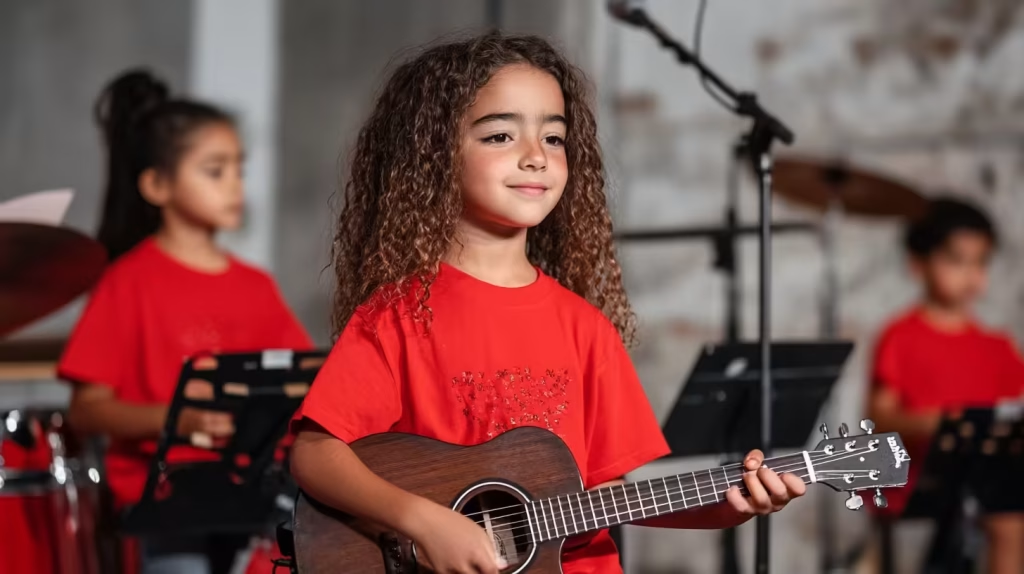
Music Materials
Bring music materials like sheets, notebooks, and pens to camp. These are important for taking notes, practicing, and learning. Having the right materials helps students get the most out of camp.
Health Check
A visit to the doctor before camp is a good idea. It makes sure students are healthy and ready for camp. The doctor can also spot any health issues that need attention before camp starts.
Packing List
A packing list helps make sure nothing is forgotten. Pack clothes, toiletries, and entertainment items. A well-packed bag has everything needed for camp. Don’t forget a change of clothes, toiletries, and medications.
What to Bring
Clothing should be comfortable and fit the weather. Pack hygiene items and travel-sized essentials. Bring entertainment like books, games, and devices for fun. Don’t forget medical supplies, like a first-aid kit and necessary medications. Bringing the right items helps students focus on learning and having fun.
Clothing
Clothing should be comfortable and fit the weather. Pack shorts, t-shirts, and sneakers for outdoor activities. Bring dressier clothes for performances. Don’t forget a change of clothes for rainy days. Comfortable clothes help students enjoy all camp activities
Toiletries
Pack personal hygiene items like toothpaste, a toothbrush, and deodorant. Travel-sized items make sure students have what they need. Also, remember to bring a change of clothes, toiletries, and any medications. This helps ensure a great music camp experience.
Entertainment
Books, games, and devices offer fun downtime. They help students relax between lessons and performances. These breaks let students recharge and refocus for the next activity.
Medical Supplies
Bring medical supplies like a first-aid kit and any needed medications. This helps prepare for any emergencies. A basic first-aid kit should have bandages, antiseptic wipes, and medicine. Also, pack a change of clothes and toiletries.
Music Lessons in San Diego with K&M Music School
Expert Music Lessons
We offer Piano, Violin, Cello, Saxophone, Bassoon, Harp, Voice, and Toddler group lessons for students of all ages and skill levels.
Why Choose Us?
- 🎶 Boosts focus and self-discipline
- 🎵 Strengthens cognitive skills
- 🎼 Enhances cultural understanding
- 🎤 Builds confidence through recitals and performances
We Welcome Adults Too!
Book Your Free Lesson NowConclusion
Music summer camps offer a transformative experience for students, combining skill development, personal growth, and a supportive environment. These camps help students build confidence, improve their musical abilities, and foster a lifelong love for music. By choosing the right camp based on program focus, instructor qualifications, and other key factors, parents can ensure their children have a memorable and enriching summer.
Call to Action
Don’t miss out on this incredible opportunity! Start exploring music summer camps today and enroll your child in a program that aligns with their interests and goals. Encourage them to practice regularly, engage in all activities, and embrace the social and personal benefits that come with participating in a music summer camp. Let the journey of musical discovery and growth begin!
FAQ
What are the key benefits of music summer camp?
Music summer camp offers many benefits. Students improve their skills and build confidence through performances. They also make lasting friendships. The camp covers music theory, group playing, and performance chances. This helps students grow both musically and personally.
How does music summer camp help students develop skills?
Music camp helps students improve with daily practice, lessons, and group playing. Teachers give personal feedback to improve technique and skills. Playing in groups teaches teamwork and communication, useful on and off stage. Regular assessments and performances show progress and help gain experience.
What kind of performances can students expect at music summer camp?
At music summer camp, students will perform in small recitals and big concerts. These performances help them build confidence and handle nerves. Teachers and classmates give helpful feedback to show what can improve. A supportive environment encourages creativity and taking risks. This helps students develop a lifelong love for music.
How does music summer camp promote social and emotional growth?
Music summer camp helps students grow socially and emotionally. Campers make lasting friendships and build a support system. Overcoming challenges helps them become more resilient. Music lets students express themselves, boosting self-awareness and personal growth. These skills are just as important as music, making camp a well-rounded experience.
What kind of activities are offered at music summer camp?
Music summer camp has fun activities like workshops, field trips, and performances. Workshops teach music production, songwriting, and music tech. Field trips let students see music in action. Performances give students a chance to show what they’ve learned. These activities make camp exciting and memorable.
How can parents choose the right music summer camp for their child?
Choosing the right music summer camp involves a few important factors. First, think about the program focus, instructor qualifications, camp location, and size. Online reviews, social media, and word of mouth can help you learn more about the camp. You should also consider costs, scholarships, and payment plans. By thinking about these things, parents can find the right camp for their child.
What kind of support can parents expect from music summer camp?
Parents can expect good support from the music summer camp. They’ll get daily updates about their child’s progress. Emergency contact info keeps parents ready for unexpected situations. Regular feedback sessions help parents discuss their child’s growth. Open communication is important for a great camp experience.
Katherine Dvoskin, Co-Founder of K&M Music School
She is co-founder of K&M Music School in San Diego, is a passionate music educator with over 25 years of experience. She offers expert piano lessons in San Diego. At K&M Music School, we teach Piano, Violin, Cello, Saxophone, Bassoon, Harp, Voice, and Toddler group lessons. Katherine's blog shares insights on music education, covering topics from toddler music group lessons to adult music lessons. Whether you're seeking private music lessons or group music lessons for toddlers near you, welcome to K&M Music School.