When Should Kids Start Voice Lessons for Healthy Singing?

Katherine Dvoskin, Co-Founder of K&M Music School

Katherine Dvoskin, Co-Founder of K&M Music School

I hope you enjoy this blog post! If you're interested in scheduling a free trial lesson, just click.
Author: Katherine Dvoskin | Co-Founder of K&M Music School
Published March 10th, 2025

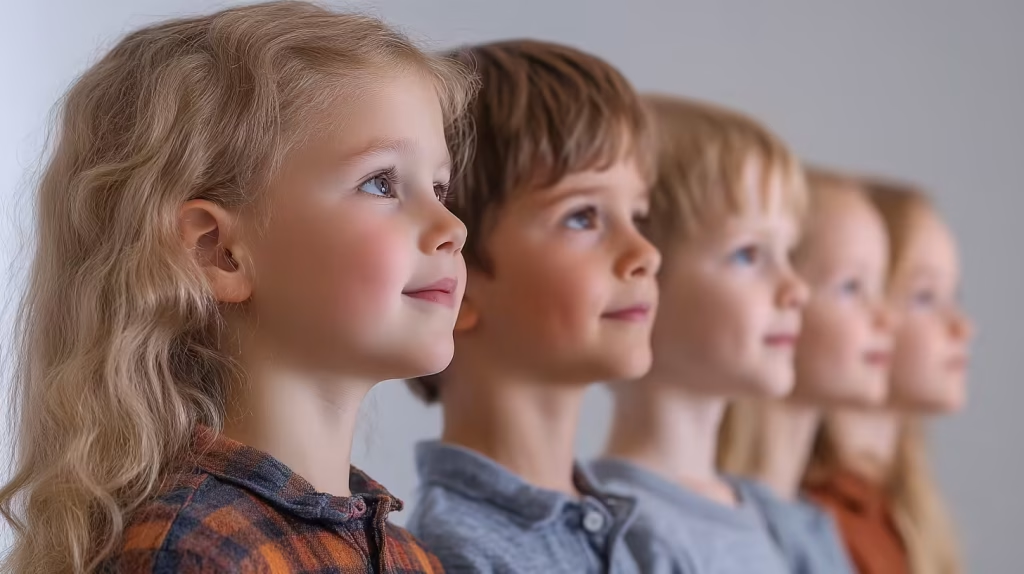
group of children at K&M Music School

When Should Kids Start Voice Lessons for Healthy Singing? Discover the perfect age and tips for a successful singing journey. Learn about benefits, common mistakes, and how to choose the right voice lessons.

Singing is fun and helps kids build confidence and skills. But when is the right time for voice lessons? This guide will help parents and teachers decide. Singing can improve confidence, coordination, and communication. However, starting lessons too early or too late can be bad. This article will help you find the best time for voice lessons.

Key Insights for Young Voices

Vocal Milestones Harmonious Benefits Top Tune Tips & Programs
6–7 years: Foundational skills; focus on play & basic techniques. Confidence Boost: Overcoming stage fright, self-expression. Certified Instructors: Seek teachers with credentials.
12–13 (Girls) / 14–15 (Boys): Post-puberty training for vocal maturity. Coordination & Health: Enhances breath control, lung capacity, and immune function. Supportive Studios: Prioritize programs with small classes.
Emotional Readiness: Patience, discipline, and enthusiasm matter most. Social Skills: Teamwork through group performances or choirs. Affordable Options: Explore scholarships or online platforms.

Benefits of Voice Lessons for Kids

Voice lessons offer numerous benefits for kids. Let’s explore some of the key advantages.

Develops Confidence

One of the most significant benefits of voice lessons is that they can boost a child’s confidence. Singing in front of others can help kids overcome stage fright and build self-esteem. When kids start voice lessons, they learn to express themselves in a safe and supportive environment. This can lead to increased self-assurance and a greater sense of accomplishment.

Katherine and Michael Dvoskin - Founders of K&M Music School

Music Lessons in San Diego with K&M Music School

1 Expert Music Lessons

We offer Piano, Violin, Cello, Guitar, Ukulele, Saxophone, Bassoon, Harp, Voice, and Toddler group lessons for students of all ages and skill levels.

2 Why Choose Us?

  • 🎶 Boosts focus and self-discipline
  • 🎵 Strengthens cognitive skills
  • 🎼 Enhances cultural understanding
  • 🎤 Builds confidence through recitals

3 We Welcome Adults Too!

Book Your Free Lesson Now

Improves Coordination

Singing involves coordinating breath, voice, and body movements. Voice lessons can enhance a child’s physical coordination and motor skills. As kids practice singing, they learn to control their breath and use their vocal cords effectively. This can improve their overall coordination and help them perform better in other physical activities.

Enhances Communication Skills

Singing requires clear articulation and expression, which can improve a child’s communication abilities. Voice lessons help kids express their thoughts and feelings more effectively. When kids start voice lessons, they learn to communicate their emotions through song. This can lead to better communication skills in everyday life.

Comprehensive overview of developmental benefits from voice lessons at K&M Music School

When Should Kids Start Voice Lessons for Healthy Singing?

Deciding when to start voice lessons for healthy singing is an important consideration. Let’s explore the key factors to consider.

Age Appropriateness

The ideal age for starting voice lessons varies, but generally, kids can start around 6-7 years old. Younger children may not have the physical or emotional maturity to handle the discipline required for voice lessons. It’s essential to consider the child’s age and maturity level when deciding when to start voice lessons.

Physical Development

Voice lessons can help kids develop their vocal cords and respiratory system. However, starting too early can lead to strain or damage if the voice is not fully developed. It’s important to wait until the child’s voice has fully matured before starting voice lessons. This typically happens around the age of 12-13 for girls and 14-15 for boys.

Emotional Maturity

Kids need to understand the importance of practice and discipline to see benefits from voice lessons. Starting too early may not yield the desired results if the child lacks the emotional maturity to commit to regular practice. It’s crucial to consider the child’s emotional development when deciding when to start voice lessons.

Tips for Choosing the Right Voice Lessons

Choosing the right voice lessons is essential for a child’s success. Here are some tips to help you make an informed decision.

Find a Qualified Instructor

Look for instructors with experience and certifications in voice education. A qualified instructor can provide personalized guidance and ensure proper technique. When searching for voice lessons, consider the instructor’s credentials and experience. You can also ask for recommendations from friends or family who have had positive experiences with voice lessons.

Consider the Environment

Choose a voice lesson program that offers a supportive and encouraging environment. A positive learning atmosphere can motivate kids to continue their singing journey. When evaluating voice lesson programs, consider the atmosphere and support offered. You can also ask for testimonials from parents and students who have attended the program.

Evaluate the Curriculum

Ensure the curriculum is age-appropriate and focuses on healthy singing habits. A well-structured curriculum can help kids progress at their own pace. When assessing voice lesson programs, consider the curriculum and teaching methods. You can also ask for a trial lesson to see if the program is a good fit for your child.

Common Misconceptions About Voice Lessons

There are several common misconceptions about voice lessons. Let’s address some of the most prevalent ones.

Starting Too Early

Some parents believe that starting voice lessons early will give their child a head start. However, starting too early can lead to vocal strain and poor technique. It’s better to wait until the child is physically and emotionally ready for voice lessons. When deciding when to start voice lessons, consider the child’s development and maturity level.

Voice Lessons Are Only for Talent

Many people think that voice lessons are only for kids with natural talent. In reality, anyone can benefit from voice lessons, as they help develop proper singing techniques. Voice lessons are not just for talented kids; they are for everyone who wants to improve their singing skills. When considering voice lessons, remember that they are for everyone, not just the talented.

Voice Lessons Are Expensive

Some parents are put off by the cost of voice lessons. However, many programs offer affordable options and scholarships for those in need. It’s important to find a program that fits your budget. When searching for voice lessons, consider the cost and available options. You can also ask about scholarships or payment plans to make voice lessons more affordable.

Katherine and Michael Dvoskin - Founders of K&M Music School

Music Lessons in San Diego with K&M Music School

1 Expert Music Lessons

We offer Piano, Violin, Cello, Guitar, Ukulele, Saxophone, Bassoon, Harp, Voice, and Toddler group lessons for students of all ages and skill levels.

2 Why Choose Us?

  • 🎶 Boosts focus and self-discipline
  • 🎵 Strengthens cognitive skills
  • 🎼 Enhances cultural understanding
  • 🎤 Builds confidence through recitals

3 We Welcome Adults Too!

Book Your Free Lesson Now

Success Stories and Testimonials

Hearing from others who have successfully navigated the world of voice lessons can be incredibly inspiring. Let’s look at some real-life examples and testimonials.

Real-Life Examples

  • Emma, Age 10: Emma started voice lessons at the age of 6 and has since performed in several school concerts. Her teacher praised her progress and encouraged her to continue her singing journey. Emma’s confidence has grown significantly, and she loves performing in front of others.
  • Liam, Age 12: Liam started voice lessons at the age of 8 and has since won several singing competitions. His instructor noted his impressive vocal range and technique. Liam’s dedication to practice has paid off, and he continues to excel in his singing career.

Testimonials

  • Parent of Emma: “Starting Emma in voice lessons at such a young age has been a wonderful decision. She loves singing and has made so many friends through her performances. Her teacher is fantastic, and we couldn’t be happier with her progress.”
  • Parent of Liam: “Liam’s voice lessons have been a game-changer. He has won several competitions and performs at school events. His instructor is incredibly supportive, and we are grateful for the positive impact voice lessons have had on Liam.”

The Importance of Proper Technique

Proper technique is crucial for healthy singing. Let’s explore why proper technique is essential and how to develop it.

Vocal student during the lessons at K&M Music School

Why Proper Technique Matters

Proper technique ensures that kids sing safely and effectively. Without proper technique, kids may develop bad habits that can lead to vocal strain or damage. Proper technique also helps kids achieve their full vocal potential and enjoy the singing process.

Developing Proper Technique

Developing proper technique involves learning the correct posture, breath support, and vocal production. Here are some tips to help kids develop proper technique:

  • Posture: Encourage kids to stand tall with their shoulders relaxed and their chin slightly tucked in.
  • Breath Support: Teach kids to take deep breaths and exhale slowly to improve lung capacity.
  • Vocal Production: Guide kids through vocal exercises that focus on proper vocal cord closure and resonance.

Common Vocal Mistakes to Avoid

Avoiding common vocal mistakes can help kids develop proper technique. Some common vocal mistakes to avoid include:

  • Tensing the Voice: Tensing the voice can lead to vocal strain and poor technique. Encourage kids to relax their vocal cords and use their breath support to produce sound.
  • Over-Breathing: Over-breathing can lead to vocal fatigue and poor technique. Teach kids to take deep breaths and exhale slowly to improve lung capacity.
  • Improper Posture: Improper posture can lead to vocal strain and poor technique. Encourage kids to stand tall with their shoulders relaxed and their chin slightly tucked in.

The Role of a Voice Teacher

A qualified voice teacher plays a crucial role in a child’s singing journey. Let’s explore why a voice teacher is essential and what to look for in a voice teacher.

Why a Voice Teacher Matters

A good voice teacher gives personal help and teaches the right technique. They also motivate kids to keep singing. A teacher can help kids love singing and reach their full potential.

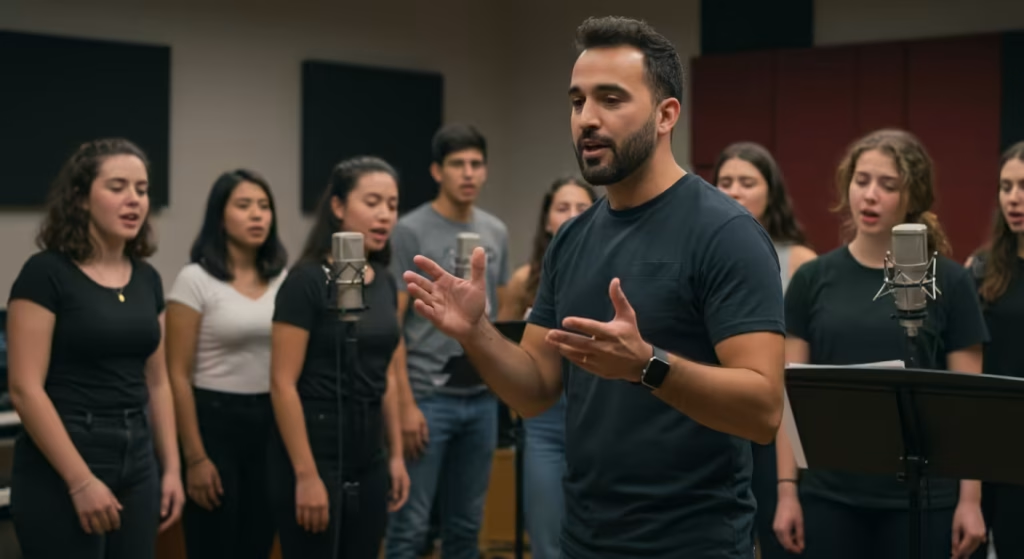
Group vocal lesson at K&M Music School with students in a recording studio

What to Look for in a Voice Teacher

When searching for a voice teacher, consider the following factors:

  • Experience: Look for a voice teacher with experience in voice education. A voice teacher with experience can provide personalized guidance and ensure proper technique.
  • Certifications: Consider a voice teacher with certifications in voice education. Certifications demonstrate a voice teacher’s commitment to professional development and expertise.
  • Approach: Evaluate a voice teacher’s approach to teaching. A voice teacher with a positive and supportive approach can motivate kids to continue their singing journey.
  • Check the voice teacher’s communication skills. A teacher with good communication can explain ideas clearly and give helpful feedback.
key factors in selecting a voice teacher at K&M Music School

How to Find a Voice Teacher

Finding a voice teacher can be a challenging task. Here are some tips to help you find a voice teacher:

  • Ask for Recommendations: Ask friends, family, and colleagues for recommendations. Word-of-mouth referrals can provide valuable insights into a voice teacher’s expertise and approach.
  • Look up voice teachers online to learn about their experience and certifications. Websites like Yelp and Google Reviews can show you what other people think. This helps you find a good teacher.
  • Attend Lessons: Attend a trial lesson to assess a voice teacher’s approach and effectiveness. A trial lesson can provide valuable insights into a voice teacher’s communication skills and ability to connect with kids.

The Benefits of Group Voice Lessons

Group voice lessons offer numerous benefits for kids. Let’s explore why group voice lessons can be a great option and how to make the most of them.

Why Group Voice Lessons Matter

Group voice lessons can provide a supportive and encouraging environment for kids to learn and grow. Group voice lessons can also help kids develop teamwork and collaboration skills. Additionally, group voice lessons can be more affordable than private voice lessons.

How to Make the Most of Group Voice Lessons

To make the most of group voice lessons, consider the following tips:

  • Choose the Right Group: Select a group voice lesson program that offers a supportive and encouraging environment. A positive learning atmosphere can motivate kids to continue their singing journey.
  • Encourage kids to join in during group voice lessons. Active participation helps them learn the right technique. It also helps them reach their full vocal potential.
  • Collaborate: Teach kids to collaborate and support each other in group voice lessons. Collaboration can help kids develop teamwork and communication skills.

Common Challenges in Group Voice Lessons

Group voice lessons can present unique challenges. Some common challenges in group voice lessons include:

  • Distractions: Distractions can disrupt group voice lessons and hinder learning. Encourage kids to focus and stay engaged in group voice lessons.
  • Differing Abilities: Kids in group voice lessons may have differing abilities. A voice teacher can help address these differences and ensure that all kids progress at their own pace.
  • Group voice lessons might not give as much individual attention as private lessons. A voice teacher can help by giving each kid the support they need.

The Benefits of Private Voice Lessons

Private voice lessons offer numerous benefits for kids. Let’s explore why private voice lessons can be a great option and how to make the most of them.

Why Private Voice Lessons Matter

Private voice lessons give kids personal guidance. They help kids learn the right technique and stay motivated. Private lessons also help kids love singing and reach their full vocal potential.

How to Make the Most of Private Voice Lessons

To make the most of private voice lessons, consider the following tips:

  • Pick a voice teacher with experience and certifications. A qualified teacher can guide you personally and teach the right technique.
  • Set Clear Goals: Work with your child to set clear and achievable goals for private voice lessons. Clear goals can help motivate kids to continue their singing journey.
  • Practice Regularly: Encourage your child to practice regularly at home. Regular practice can help reinforce learning and improve vocal skills.

Common Challenges in Private Voice Lessons

Private voice lessons can present unique challenges. Some common challenges in private voice lessons include:

  • Cost: Private voice lessons can be more expensive than group voice lessons. Consider the cost and available options when searching for private voice lessons.
  • Availability: Private voice lessons may not be available at convenient times. Consider the availability and scheduling when searching for private voice lessons.
  • Lack of Social Interaction: Private voice lessons may not provide the same level of social interaction as group voice lessons. Encourage your child to participate in other singing activities to maintain social interaction.

.

The Role of Parents in Voice Lessons

Parents play a crucial role in a child’s singing journey. Let’s explore why parental involvement is essential and how parents can support their child’s voice lessons.

Why Parental Involvement Matters

Parents can encourage and motivate their child in singing. They can also make sure their child practices regularly and stays positive about singing.

How Parents Can Support Voice Lessons

To support voice lessons, consider the following tips:

  • Go to your child’s voice lessons to see how they’re doing. It also helps you understand what they’re good at and what they need to improve.
  • Practice at Home: Encourage your child to practice regularly at home. Regular practice can help reinforce learning and improve vocal skills.
  • Set a Good Example: Show your child that you enjoy singing and encourage them to follow your example. Setting a good example can motivate your child to continue their singing journey.

Common Challenges in Parental Involvement

Parental involvement can present unique challenges. Some common challenges in parental involvement include:

  • Time Management: Balancing work, family, and voice lessons can be challenging. Consider the time commitment and scheduling when supporting your child’s voice lessons.
  • Encouraging your child can be hard. Celebrate their progress and successes to keep them motivated in their singing journey.
  • Communication: Effective communication can be challenging. Communicate openly with your child’s voice teacher to ensure that you are on the same page and supporting your child’s singing journey.
Katherine and Michael Dvoskin - Founders of K&M Music School

Music Lessons in San Diego with K&M Music School

1 Expert Music Lessons

We offer Piano, Violin, Cello, Guitar, Ukulele, Saxophone, Bassoon, Harp, Voice, and Toddler group lessons for students of all ages and skill levels.

2 Why Choose Us?

  • 🎶 Boosts focus and self-discipline
  • 🎵 Strengthens cognitive skills
  • 🎼 Enhances cultural understanding
  • 🎤 Builds confidence through recitals

3 We Welcome Adults Too!
Book Your Free Lesson Now

Ready to Start Your Child’s Singing Journey?

Take the first step today by contacting local music schools or voice instructors to inquire about their programs and availability. Schedule a trial lesson to assess the instructor’s approach and ensure it’s a good fit for your child. Don’t miss out on the benefits of voice lessons—start your child’s singing journey now and watch them grow in confidence, coordination, and communication skills!

Conclusion

In short, starting voice lessons at the right age is important. Parents should think about their child’s age, growth, and emotions. Voice lessons help with confidence, coordination, and communication. But, it’s important to choose the right program and teacher for a good experience.

Frequently Asked Questions

What if my child starts too early? Starting voice lessons too early can lead to vocal strain and poor technique. It’s better to wait until the child is physically and emotionally ready. When deciding when to start voice lessons, consider the child’s development and maturity level.

Can anyone benefit from voice lessons? Yes, anyone can benefit from voice lessons, as they help develop proper singing techniques. Voice lessons are not just for talented kids; they are for everyone who wants to improve their singing skills.

Are voice lessons expensive? Many voice lesson programs offer affordable options and scholarships. It’s important to find a program that fits your budget. When searching for voice lessons, consider the cost and available options. You can also ask about scholarships or payment plans to make voice lessons more affordable.

What should I look for in a voice lesson program? When evaluating voice lesson programs, consider the following factors:

  • Qualified Instructor: Look for instructors with experience and certifications in voice education.
  • Supportive Environment: Choose a program that offers a positive and encouraging learning atmosphere.
  • Age-Appropriate Curriculum: Ensure the curriculum fits the child’s age and teaches healthy singing habits.

How can I ensure my child’s success in voice lessons? To ensure your child’s success in voice lessons, consider the following tips:

  • Consistency: Encourage regular practice and attendance at lessons.
  • Positive Reinforcement: Praise your child’s efforts and progress to build confidence.
  • Patience: Be patient and understanding, as progress takes time.

What if my child loses interest in voice lessons? If your child loses interest in voice lessons, consider the following steps:

  • Communicate: Talk to your child about their feelings and try to understand why they are losing interest.
  • Explore Other Interests: Encourage your child to explore other activities or hobbies that they enjoy.
  • Change the Approach: If your child still wants to sing, think about changing their voice lessons or teacher to improve their learning experience.

Can voice lessons help improve academic performance? Yes, voice lessons can improve school performance. They help kids communicate better by focusing on clear speaking and expression. Voice lessons also teach focus and discipline, which are important for success in school.

How can I find a qualified voice teacher? To find a qualified voice teacher, consider the following tips:

  • Ask for Recommendations: Ask friends, family, and colleagues for recommendations.
  • Research Online: Look up voice teachers online to learn about their experience and certifications. Websites like Yelp and Google Reviews can provide valuable insights.
  • Attend a Trial Lesson: Schedule a trial lesson to assess the teacher’s approach and effectiveness.

What are the benefits of group voice lessons? Group voice lessons offer a supportive environment for kids to learn and grow. They help kids build teamwork and collaboration skills and are usually more affordable than private lessons.

What are the benefits of private voice lessons? Private voice lessons provide personalized guidance, help kids learn the right technique, and motivate them to keep singing. They also help kids love singing and reach their full vocal potential.

Katherine Dvoskin, Co-Founder of K&M Music School

Katherine Dvoskin, Co-Founder of K&M Music School

She is co-founder of K&M Music School in San Diego, is a passionate music educator with over 25 years of experience. She offers expert piano lessons in San Diego. At K&M Music School, we teach Piano, Violin, Cello, Saxophone, Bassoon, Harp, Voice, and Toddler group lessons. Katherine's blog shares insights on music education, covering topics from toddler music group lessons to adult music lessons. Whether you're seeking private music lessons or group music lessons for toddlers near you, welcome to K&M Music School.

Leave a comment