


Short answer: Private cello lessons in San Diego usually cost $40–$110 per lesson, or roughly $170–$450 per month for weekly lessons. Group classes are cheaper; in-home lessons cost more. Lesson length, teacher experience, and format all move the price.
The bigger cost surprise for most cello families isn't the lesson — it's everything around it: the cello rental, rosin, a bow, a case, method books, and possibly recital or registration fees. Always ask for the full monthly cost, including extras, before you book.

Quick Answer: What You'll Pay for Cello Lessons in San Diego
Cello lesson prices in the San Diego area generally fall in this range:
| Format | Typical Range (San Diego) | Best For |
|---|---|---|
| Group class, 45–60 min | $150–$220/month | Beginners, budget-minded adults, social learners |
| Private, 30 min | $40–$80/lesson • $170–$320/month | Young beginners, casual adult starters |
| Private, 45 min | $55–$95/lesson • $230–$380/month | School-age kids, teens, intermediate adults |
| Private, 60 min | $70–$110/lesson • $290–$450/month | Serious students, teens, audition prep, adult coaching |
| In-home private lesson | Add $10–$25 per lesson for travel | Families with tight schedules, mobility needs |
Two teachers can both offer cello lessons in San Diego and charge very different prices. That doesn't always mean one is better — it usually means the lesson setup is different. Length, format, teacher experience, and studio overhead all matter.
The bigger point: the lowest posted lesson rate isn't always the lowest real cost. Schools with $45/lesson pricing but $60 annual fees, $80 recital fees, and required $40 books can end up costing more per year than a school with a slightly higher flat rate and no add-ons.
Why Cello Lesson Prices Vary So Much
Cello has its own economics. Here's what actually moves the price.

Cello is physical — bow hold, left-hand shape, posture. A teacher who can watch you closely is worth what they charge.
1. Lesson length
This is the biggest single price factor. A 60-minute lesson costs more than a 30-minute lesson. That's obvious, but it matters because beginners don't always need a full hour. Young kids often do best with 30 minutes. Older beginners and adults usually prefer 45 or 60 minutes for posture, scales, rhythm, and a short piece.
2. Teacher background
Teacher training matters a lot for cello. A good cello teacher works on:
- Sitting posture and endpin height
- Bow hold and bow path
- Left-hand shape and finger placement
- Intonation and pitch adjustment
- Tone production and string crossings
- Rhythm reading and music literacy
Teachers with deeper training or performance experience often charge more — but a well-trained newer teacher can still be a great fit for a beginner.
3. Private vs. group format
Private lessons give one-on-one attention the entire session, so they cost more. Group classes spread teacher time across several students, which is why they cost less per student.
4. Online vs. in-person
Online lessons can cost less because the teacher skips studio overhead and travel. In-person studio lessons cost more. In-home lessons usually cost the most because the teacher's travel time is built into the rate.
5. Studio overhead and extras
A structured school with recital space, office staff, curriculum, and student events costs more to run than a solo teacher out of their home. That overhead shows up in the lesson price — but it can also mean more support around the lesson (rental help, performance opportunities, structured progression).
Private vs. Group Cello Lessons in San Diego
This is one of the most common comparisons families make.
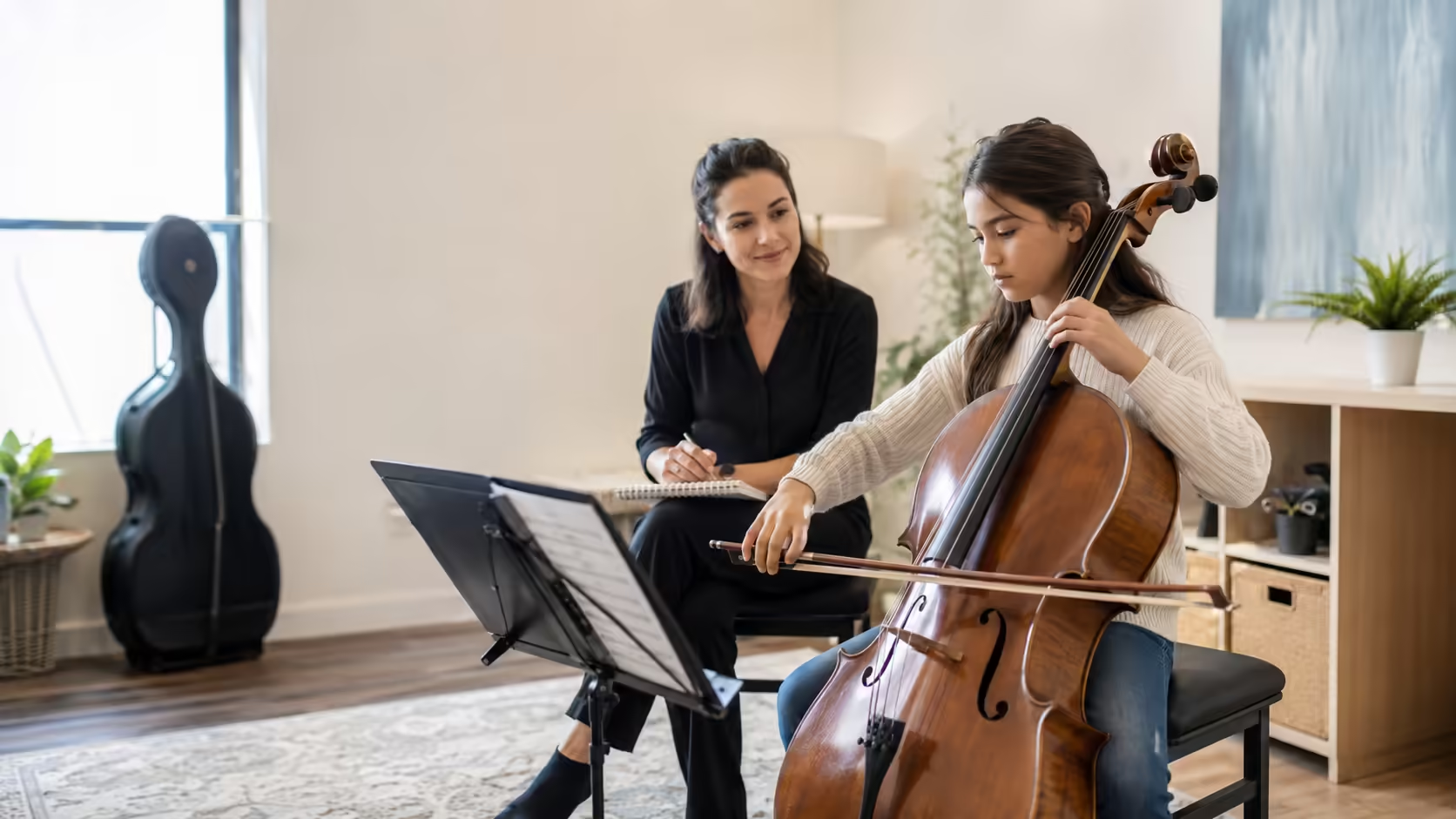
Private lessons cost more — but for cello, the direct feedback usually pays for itself in faster progress.
Private cello lessons cost more, but give more feedback
Private lessons are best for students who need:
- Direct correction on posture, bow hold, and left-hand shape
- Faster progress
- Audition or youth orchestra preparation
- Custom pacing
- Detailed work on tone and intonation
Group cello classes cost less, but move at the group's pace
Group classes work well for:
- True beginners exploring the instrument
- Adults who want a social, low-pressure setting
- Learners on a tighter budget
- Students who enjoy a class structure and peers
Side-by-side summary
| Format | Best For | Trade-off |
|---|---|---|
| Private cello lesson | One-on-one help, faster progress | Costs more per session |
| Group cello class | Lower cost, social setting | Less individual attention |
| Online cello lesson | Convenience, wider teacher choice | Posture harder to correct |
| In-home cello lesson | Easy for busy families | Higher travel-inclusive rate |
Are Online Cello Lessons Cheaper Than In-Person Lessons?
Often, yes. Online lessons usually cost less because the teacher doesn't need studio space or travel time. Some families save 20–30% by switching to a remote teacher.
But cello is a very physical instrument. A teacher often needs to watch posture, elbow height, bow path, and left-hand shape closely — and that's meaningfully harder over a screen. Sound also travels through video compression, which makes fine intonation feedback trickier.
Online lessons may be a good fit for
- Adult students with basic setup already in place
- Returning players brushing off old skills
- Budget-minded students
- Families with long drives to any local studio
- Students who already know their bow hold and body setup
In-person is usually better for
- Total beginners (especially young children)
- Students working on posture and body mechanics
- Anyone preparing for auditions
- Students who benefit from playing next to the teacher
Cello Lesson Costs by Age: Kids, Teens, and Adults
Lesson length — and price — usually shifts by age and goal.
Children's cello lessons

Young students start with fractional-size cellos and short, focused 30-minute lessons.
Young students often start with 30-minute private lessons. That length matches their attention span and keeps the monthly cost manageable. School-age kids may move to 45 minutes as they grow.
What parents should ask any school:
- What size cello does my child need? (Fractional sizes: 1/16, 1/10, 1/8, 1/4, 1/2, 3/4, 4/4 — based on the child's height)
- Will the teacher help with instrument setup and posture?
- How much practice should we expect each week?
- Are there recitals? At what cost?
- Are books included, or do we buy them separately?
- Is there a yearly commitment or contract?
Teen cello lessons
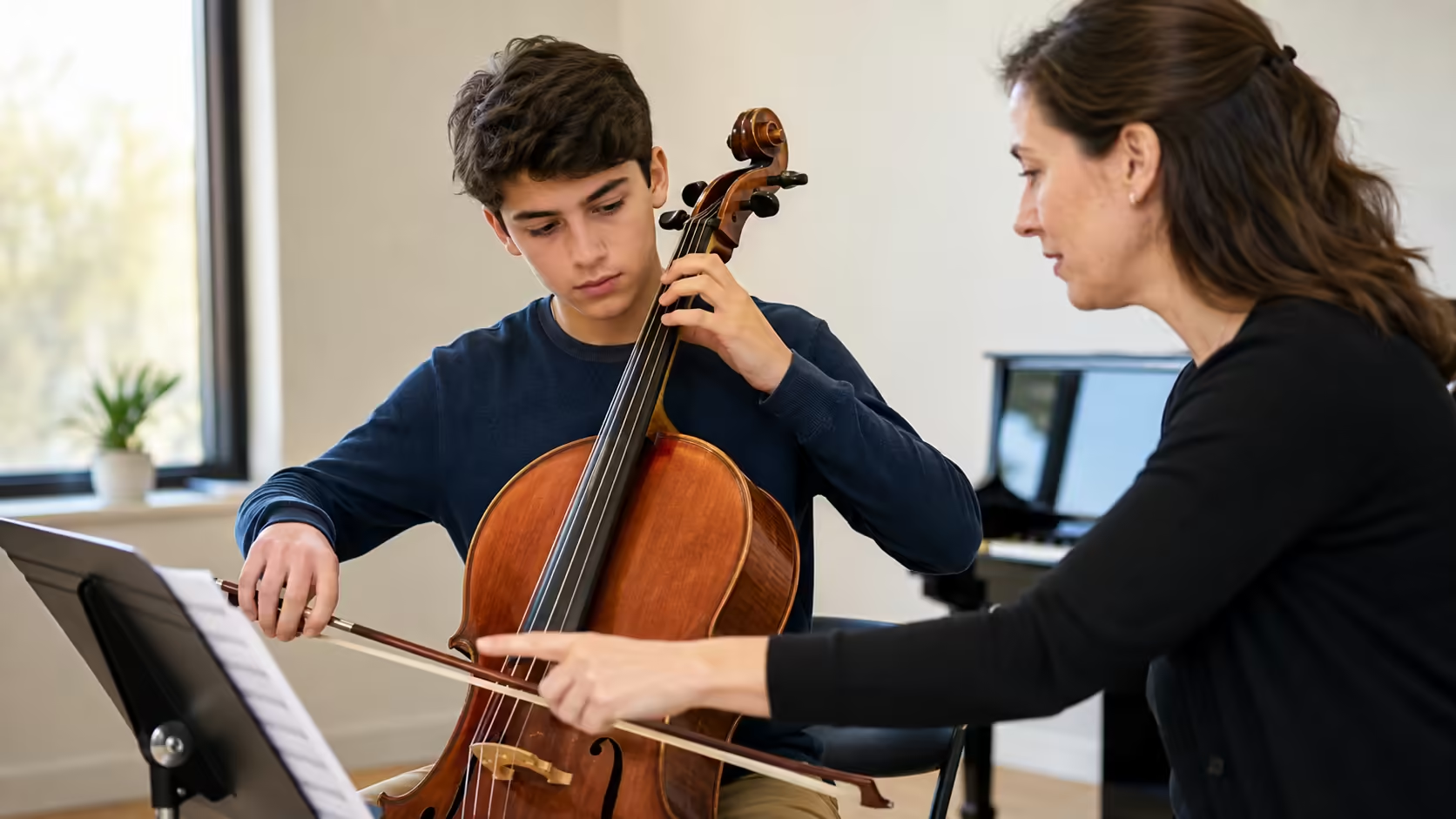
Teens usually benefit from 45 or 60-minute lessons — especially for orchestra or audition prep.
Teens often need 45 or 60-minute lessons, especially when preparing for school orchestra, youth symphony auditions, or solo performances. A shorter lesson leaves too little time for the technique, etudes, and repertoire work a serious teen student needs.
Adult cello lessons

Adult students often prefer evening slots and longer lessons for real technique work.
Adults are a growing part of every music school's cello studio. They usually take lessons for personal enjoyment, to fulfill a lifelong wish, or to prepare for community orchestra playing.
Common adult formats:
- 30-minute private lesson — lowest-cost private option, great for busy adults
- 45-minute lesson — a good balance of depth and cost
- 60-minute lesson — best for adults with clear goals or steady practice time
- Group class — social, lower cost, slower progress
Adults often prefer evening slots, flexible pacing, and teachers who are patient with total beginners. Those features affect price but they also make a big difference in whether the student sticks with lessons.

What Actually Happens in a Cello Lesson
New students often worry about this. First lessons are usually simple, welcoming, and structured.
The typical flow of a cello lesson
Setup check
Sitting posture, endpin height, cello angle. Small adjustments here save weeks of bad habits later.
Bow warm-up
Open-string bowing to build a straight, even bow path. This is where tone starts.
Left-hand work
Finger placement, hand shape, and intonation drills. Small, targeted — not overwhelming.
Rhythm and reading
Short reading drills or a rhythm exercise. Cellists who read well progress much faster.
Piece of the week
The fun part. A short piece at your level that reinforces what you just practiced.
Home practice assignment
A short, clear plan for the week. You leave knowing exactly what to work on.
How long until you improve?
Cello has a steeper setup curve than most instruments. In the first few weeks, students focus on how to sit, place the endpin, hold the bow, stop the string cleanly, and pull a straight bow. Real improvement in tone usually shows up in 2–3 months of steady practice. Confident piece-playing takes 6–12 months.
How Often Should You Take Cello Lessons?
The best schedule depends on your goal and budget — but the pattern is clear.
Weekly lessons are the most common choice and the most effective. They keep momentum, and the teacher can build progressively on what you covered last time. Weekly is especially important early on, when posture and bow habits are still forming.
If weekly cost feels too high, every other week can work if you practice steadily in between. Progress will be meaningfully slower, and bad habits have more time to take root before correction.
Most students — at any price point — get the best value from a weekly slot they can hold consistently. Same teacher, same time, every week.
How to Choose a Cello Teacher in San Diego
A good cello teacher can save you money over time because clear teaching helps students progress faster and avoid bad habits that take months to fix.
Look for cello-specific skill
Ask each teacher:
- Do you mainly teach cello (or is cello one of many instruments you cover)?
- Do you teach beginners, adults, or both?
- What method do you use? (Suzuki, classical, school-orchestra support, mixed)
- How do you teach posture and bow hold?
- Do you help with fractional sizing and rental for young students?
- Do you offer a trial lesson?
Check whether the teacher fits the student
A serious teen preparing for youth orchestra needs a different teacher from an adult who wants to play for fun after work. Both are valid goals. The right fit depends on the student, not just the rate.
Read reviews, then trust the trial lesson
A trial lesson tells you more than a long website ever will. After the lesson, ask yourself:
- Did the teacher explain things clearly?
- Did the student feel comfortable?
- Did the pace feel right?
- Did the teacher give simple next steps?
- Would we come back next week?
How to Save Money on Cello Lessons in San Diego
If you need to keep the budget under control, there are smart ways to lower the total cost without giving up quality teaching.
Start with shorter lessons
A 30-minute lesson is enough for most young beginners. Lower monthly bill, same weekly rhythm.
Rent, don't buy at first
Kids grow through fractional sizes. Adults may want to try before committing to a $2,000+ instrument. Rental keeps the entry cost low.
Try a group class first
If you're unsure about cello, a group class is a low-risk starting point. Move to private once you know you're in.
Ask about a free trial lesson
Schools that offer a real free trial let you test the fit before spending anything.
Compare total monthly cost, not lesson rate
Two schools with the same $70/lesson rate can have wildly different totals once fees are counted.
Consider online lessons for older students
Adults and returning players who already know the setup can save 20–30% by learning remotely.
Cello Lessons at K&M Music School
If you've read this far, you understand the San Diego cello lesson market — the price ranges, the extras, the questions worth asking. Here's how K&M Music School fits into that picture, so you can compare us fairly against other options.
Cello Lessons at K&M
Weekly private cello lessons — per-lesson and flat monthly rates, no surprise charges
- One private lesson per week with your assigned cello teacher
- Same flat monthly rate whether the month has 4 lessons or 5
- One-time $50 registration fee — not annual
- 100% free trial lesson for new students — no credit card required
- No recital fees, no material surcharges, no 5-week-month upcharges
Where K&M sits in the market
Compare our per-lesson rates against the San Diego range at the top of this guide: our $70/$80/$90 per-lesson pricing falls in the middle-to-upper part of the market range for a private cello lesson. That reflects what we are — a structured conservatory program with experienced teachers — not a solo teacher rate or a chain-studio budget rate.
What makes our pricing different isn't the number — it's what's not tacked on. No annual re-registration. No recital fees. No 5-week-month surcharges. Multiply the monthly rate by 12, add $50 once, and that's your total. That transparency is unusual in this market.
What you get
- Experienced cello teachers who work with young beginners, teens, and adult learners
- Instrument sizing and rental guidance — especially important for growing kids
- A structured curriculum — the 9-level Russian conservatory program, adapted for cello students of every age
- An on-site recital hall in Mira Mesa — performance opportunities are built into the program, not an extra charge
- 501(c)(3) nonprofit status — mission-driven, not investor-driven
Run the transparency test on us. Compare us against any San Diego cello teacher using the same total-annual-cost question — and let the comparison speak for itself.
The best way to know if cello is right for you or your child is to actually try a lesson. K&M offers a 100% free trial cello lesson — meet your teacher, get help with sizing if you don't own a cello yet, and decide for yourself.
Book Your Free Trial Lesson5703 Oberlin Dr, Unit 108, San Diego, CA 92121 (Mira Mesa) • 858-588-3938 • Learn more about cello lessons
Frequently Asked Questions
How much do cello lessons cost in San Diego?
Most private cello lessons in San Diego cost about $40 to $110 per lesson, depending on lesson length and teacher experience. Weekly monthly plans typically run from $170 to $450 per month. Group cello classes cost less; in-home lessons cost more because the teacher travels.
How much do beginner cello lessons cost in San Diego?
Beginner cello lessons often start with 30-minute private lessons, typically $40 to $80 per lesson or roughly $170 to $320 per month. Beginners can also start with a group class at a lower per-class rate, then move to private lessons once they're ready for more technical work.
Are adult cello lessons expensive in San Diego?
They don't have to be. Adult beginners often start with 30 or 45-minute private lessons or a group class. A short private lesson may be more expensive than a group class but gives faster progress. Choose the format that matches your goals and budget.
Are online cello lessons cheaper than in-person lessons?
Often, yes. Online lessons can cost less because the teacher doesn't need studio space or travel time. But cello is a very physical instrument — posture, bow hold, left-hand shape, and intonation are much easier to correct in person. For total beginners, in-person is usually the better start.
Do I need my own cello before the first lesson?
Usually, yes. Most students rent a cello before buying — especially kids, who need smaller fractional-size instruments as they grow. A good teacher will help with sizing and often points you to a trusted local rental shop before the first paid lesson.
Is a 30-minute cello lesson enough?
For young beginners, yes — 30 minutes matches their attention span and covers early setup, bow hold, and basic notes. Older kids, teens, and adults usually get more value from 45 or 60 minutes because there's time for scales, rhythm work, a piece, and real feedback.
What extra costs come with cello lessons?
Beyond lesson tuition, plan for cello rental (or purchase), rosin, a bow, a case, a music stand, sheet music, and possibly a tuner. Some schools also charge annual registration fees, recital fees, or missed-lesson penalties. Always ask about total costs before you sign up.
What should I ask before booking cello lessons?
Ask about lesson length, monthly tuition, all extra fees, teacher experience with cello and your age group, whether they help with instrument sizing and rental, makeup policy, and whether they offer a free trial lesson. A single trial often tells you more than any website.


