
What Makes a Great Guitar Teacher? Our School’s Philosophy

Katherine Dvoskin, Co-Founder of K&M Music School
I hope you enjoy this blog post! If you're interested in scheduling a free trial lesson, just click.
Author: Katherine Dvoskin | Co-Founder of K&M Music School
Published August 10th, 2025

What makes a great guitar teacher? First, key traits. Next, teaching methods. Finally, our philosophy. Find your ideal instructor today.
First, a great guitar teacher makes learning fun. Next, bad music instruction kills your passion. However, the right teacher changes everything.
Also, great instructors mix playing skills with teaching talent. Then, they use proven methods that fit your needs. Finally, our school offers a positive place for guitarists to reach their music goals.
Quick Reference Guide
Good teachers are patient. They explain things clearly. They plan lessons and set goals. They use technology and adjust teaching. Students learn faster and feel confident. They stay motivated, enjoy music, and make friends. Guitar pedagogy matters for musicians of all levels, from beginners learning power chords to advanced guitarists mastering complex repertoire.
The Foundation of Exceptional Guitar Teaching
Core Qualities Every Great Guitar Teacher Must Have
Great guitar teachers share specific qualities that set them apart from average instructors. These characteristics form the foundation of effective music education and proper curriculum development.

Music Lessons in San Diego with K&M Music School
1 Expert Music Lessons
We offer Piano, Violin, Cello, Guitar, Ukulele, Saxophone, Bassoon, Harp, Voice, and Toddler group lessons for students of all ages and skill levels.
2 Why Choose Us?
- 🎶 Boosts focus and self-discipline
- 🎵 Strengthens cognitive skills
- 🎼 Enhances cultural understanding
- 🎤 Builds confidence through recitals
3 We Welcome Adults Too!
Patience stands as the most important quality. Guitar students learn at different speeds. Some pick up chord changes quickly while others need more time. A quality guitar teacher understands this reality. They never rush or pressure students beyond their comfort zone, whether working with middle school beginners or college-level musicians.
A strong musical foundation comes second. Excellent guitar instructors master both playing techniques and music theory. Many have studied at prestigious institutions like Berklee College of Music. They understand how to break down complex concepts into simple steps. This knowledge helps them answer student questions with confidence and accuracy.
Communication skills make the difference between good and great teachers. The best instructors explain difficult concepts in simple terms. They use analogies and visual aids to help students understand. Clear communication prevents confusion and builds student confidence, which is essential for mastering any musical instrument.
Adaptability rounds out the core qualities. Every student brings unique challenges and goals. Great guitar teachers adjust their methods for each individual, whether teaching high school students or adult learners. They recognize that what works for one student may not work for another.
Why Teaching Experience Matters More Than Just Playing Ability
Many people assume that skilled players automatically make good teachers. This assumption proves false in most cases. Teaching requires different skills from performing, as recognized by organizations like the Guitar Foundation of America.
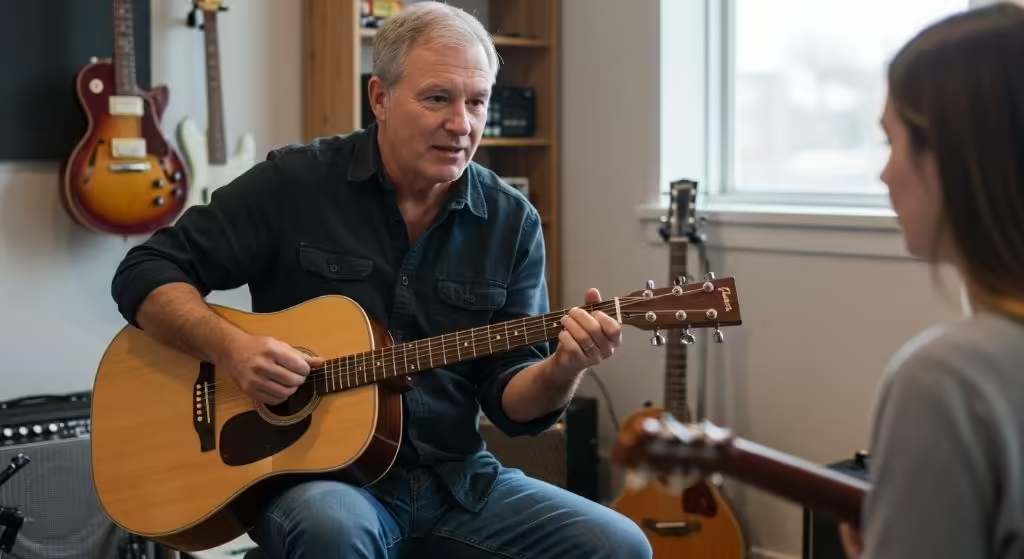
Great players often struggle to explain their abilities. They perform techniques naturally without thinking about the steps involved. However, students need clear explanations and step-by-step instructions. Experienced teachers have learned how to break down these automatic processes in their guitar education approach.
First, understanding feelings is important. Beginners feel frustrated and sore. Good teachers know how to help. They give support when needed. Finally, they help students keep going, whether practicing on acoustic guitars or electric instruments.
Lesson planning separates professional teachers from casual instructors. Effective guitar educators create structured learning paths. They know which skills to teach first and how to build upon previous lessons. This systematic approach leads to steady student progress and improved musicianship.
Our School’s Philosophy: Student-Centered Guitar Education
Personalized Learning Approaches
First, our philosophy focuses on each student, not a one-size plan. Then we believe every student deserves lessons that fit their goals and style, whether they’re interested in classical guitar performance or contemporary music.
Next, we start with an initial assessment. During the first lesson, we talk about goals and music interests. Some choose classical guitar, while others pick rock or folk. Some high school students come with specific goals like joining the school band. Then this talk shapes the whole journey.
After that, we make customized lesson plans and curriculum. We build curricula based on each student’s preferences and skills. Also, advanced students learn complex techniques, including proper fingering for solos. Meanwhile beginners work on basic chords and strumming patterns in the classroom setting.
Flexibility remains key throughout the learning process. Student interests may change over time. A student who starts with classical guitar might develop interest in blues or jazz. Quality guitar teachers adapt their instruction to match these evolving interests, including both Suzuki guitar methods and contemporary approaches.
Creating a Positive Learning Environment
First, the learning space matters. Then, we make it supportive. Next, students feel safe to make mistakes. Finally, they take risks and learn more, whether in private lessons or in a public school guitar program.

Encouragement builds confidence more than criticism. We focus on what students do well before addressing areas for improvement. This positive approach keeps students motivated and eager to learn, which is essential for both high school and middle school students.
First, celebrating small wins keeps you going. Then, guitar learning has tiny steps toward big goals. Next, we cheer each win, from clean power chords to full songs. Finally, these celebrations boost progress and motivation for all guitar students.
Making lessons enjoyable prevents burnout. Guitar learning should be fun, not stressful. We incorporate games, challenges, and favorite songs into lessons. This approach keeps students engaged and looking forward to their next session, whether they’re learning in a school district program or at our academy.
Essential Teaching Methods That Define Great Guitar Instructors
Structured Progression vs. Creative Freedom
Effective guitar instruction balances systematic skill development with creative expression. This balance keeps students engaged while ensuring solid technical foundations, an approach endorsed by many music education majors who become teachers.
First, basic skills build creativity. Then students learn finger positioning, chord changes, and strumming patterns. Also, these basics stop bad habits that can limit a guitarist’s development. Understanding music theory for guitar helps students express themselves musically through their instruments.
Age-appropriate methods enhance learning effectiveness. Children respond well to games and visual learning aids. Adults prefer logical explanations and practical applications. Great guitar teachers adjust their methods based on student age and maturity level, with different approaches for college students versus younger learners.
Realistic goal setting prevents frustration and maintains motivation. Experienced instructors help students set achievable short-term goals while working toward long-term objectives. This approach provides regular success experiences that fuel continued learning and discipline.
Modern Technology Integration
Today’s best guitar teachers incorporate technology to enhance traditional instruction methods. These tools provide additional learning opportunities and make practice more engaging for the modern musician.
Practice apps help students maintain consistent practice schedules. Modern apps provide backing tracks, metronomes, and chord charts. These tools make home teaching more productive and enjoyable for students, complementing what they learn from their school teacher.
First, recording lessons lets students watch again at home. Then they review between sessions. Next, this reinforces key ideas from the lesson plan. Finally, they practice exactly what they learned, improving their instrumental music skills.
Online resources expand learning opportunities beyond lesson time. Quality teachers recommend helpful websites, video tutorials, and digital sheet music. These resources support classroom instruction and provide additional learning materials for developing guitarists. Many music supervisors now recognize the value of these digital tools in education.
What Sets Our Guitar Teachers Apart
Continuous Professional Development
Our commitment to excellence requires ongoing teacher development. Great guitar instructors never stop learning and improving their skills through teacher trainer programs and professional associations.
Regular training keeps teachers current with new methods. Music education constantly evolves with new research and techniques. Our teachers attend workshops, conferences, and guitar festival events throughout the year, staying connected to the guitar scene.
First, learning new genres expands teaching skills. Then students ask for different music styles. Next our teachers study these styles, from classical guitar models to pick-style/contemporary idiom. Finally they give complete instruction that respects musical traditions while embracing new ideas.
Peer collaboration improves overall teaching quality. Our instructors regularly share ideas and discuss challenging student situations. This collaboration leads to better solutions and improved teaching methods. Many have first teaching gig experiences that inform their approach.
Building Long-Term Student Relationships
Great guitar teachers invest in lasting relationships with their students. These connections go beyond simple instruction to include mentorship and ongoing support, similar to a passionate guitar mentor.
First, every student has a unique background and goals. Then teachers learn about these and adjust lessons. Next, motivation and support help through fast progress and plateaus. Also, teachers give the right guidance and encouragement. Finally, long-term teacher-student bonds boost skills and musical growth for musicians of all abilities.
Red Flags: How to Spot a Poor Guitar Teacher
Warning Signs to Avoid
Recognizing poor instruction early can save time, money, and frustration. Several clear warning signs indicate when to look for a different teacher, regardless of whether they teach at a music academy or as an independent instructor.
Lessons need a clear plan and rigorous curriculum. Teachers should follow it. No plan means lessons are messy. Mistakes are normal. Strict teachers can hurt confidence and slow progress, especially for high school class participants. One-size-fits-all approaches ignore individual student needs. Every student learns differently and has unique goals. Teachers who use identical methods for all students fail to maximize learning potential, whether teaching in an urban classroom or private setting. Poor communication creates confusion and frustration. Students need clear explanations and constructive feedback. Teachers who cannot communicate effectively will struggle to help students improve their understanding of the guitar as a primary instrument.
Questions to Ask Before Choosing a Guitar Teacher
Smart students ask important questions before committing to guitar lessons. These inquiries help identify quality instructors and avoid poor choices, whether seeking private lessons or joining a robust guitar program.
First, ask about their education, years teaching, and student types. Ask if they have music education degrees or have taught in public school teaching environments. Then good teachers share their background openly.
Next, ask how they plan lessons, handle learning styles, and track progress. Ask about their experience with guitar ensemble direction. Also, these answers show if their methods fit you and your musical voice.
Finally, ask for student success stories and references. Great teachers are proud of their students’ accomplishments, whether performing at the Yale Guitar Extravaganza or mastering new repertoire.
The Impact of Great Guitar Teaching on Student Success
Measurable Benefits of Quality Instruction
Quality guitar instruction produces clear, measurable improvements in student performance and enjoyment. These benefits extend beyond simple technical skills to overall musicianship.
Faster skill development results from effective teaching methods. Students with great teachers typically progress 50% faster than those with poor instruction. This acceleration comes from proper technique instruction and efficient practice methods, whether learning life lessons through music or preparing for all-state guitar ensemble auditions.
First, learning guitar boosts confidence. Then it builds self-esteem and problem-solving skills. Next students feel more sure at school, work, and with friends. This is true for students from middle school through college.
Also, playing music for years brings lifelong joy. Finally, guitar helps relieve stress, sparks creativity, and creates social fun. Many students go on to join local guitar society groups or form bands with fellow musicians.
Real Student Success Stories
First, our method helps all students succeed, no matter their age or skill. Then, these stories show how good teaching makes a difference, even for those who initially struggled with an unfamiliar instrument.
Eight-year-old Sarah started with no musical experience. Within six months, she could play five songs and read basic music notation. Her confidence grew so much that she joined the school talent show. Her success came from patient instruction and age-appropriate methods from a teacher who understands how to inspire young students.
Adult student Michael returned to guitar after a 20-year break. Poor early instruction had left him frustrated and convinced he lacked musical ability. Our teacher identified and corrected his technique problems. Within a year, Michael was playing jazz standards and leading a community band, showing that it’s never too late to develop musical projects.
High school student Alex struggled as a beginner. Then lessons built his confidence and technique. Next, we added music theory and composition fundamentals. Finally, Alex writes songs and mentors younger students, developing both skills and inspiration.
Finding the Right Guitar Teacher for Your Needs
Matching Teaching Styles with Learning Preferences
Different students respond better to different teaching approaches. Understanding your learning style helps identify compatible instructors, whether in private settings or through available instruments in school programs.
Visual learners benefit from teachers who use charts, diagrams, and written music. These students need to see information to understand it fully. Teachers who rely only on verbal instruction may not serve visual learners effectively, especially in a multi-level guitar program.
Auditory learners like teachers who talk and play examples. Then they learn songs by ear. Next, they grasp music theory through discussion, making their guitar education journey more effective.
Kinesthetic learners need hands-on help. Then they learn by doing. Next, teachers give physical corrections and demos, which are essential for mastering instruments properly.
The Importance of a Trial Lesson
First, trial lessons let you test a teacher. Then you see if their style fits you, whether you’re interested in pop guitar or classical approaches. Finally, you decide before you commit to a full school year of instruction.
A trial lesson helps check teaching style and communication. Then you notice if the teacher explains clearly and fits your vibe. Next, good chemistry helps you learn, whether working with a band director who teaches guitar or a dedicated guitar specialist. They should show playing skills and music theory knowledge and answer questions clearly. Finally, they should discuss your goals and how their plan will help you develop as a guitarist.
Our School’s Commitment to Excellence in Guitar Education
Teacher Selection and Training Process
First, we hire teachers with strong music and teaching skills. Then, they must show advanced playing and pass teaching tests with students. Also, we value teaching ability more than performance alone, an approach supported by successful teachers throughout the music education field.

Next, we keep skills fresh with ongoing training. New teachers learn our methods, student psychology, and communication. Finally, experienced teachers join quarterly workshops and yearly conferences, some organized with help from the LCPS guitar task force.
Quality assurance systems monitor student satisfaction and progress. We regularly survey students and parents about lesson quality and teacher effectiveness. This feedback guides professional development and ensures consistent service quality across our guitar programs.
Supporting Student Success Beyond Lessons
First, we help you beyond lessons. Then, we give extra support and resources, including access to free guitars for students who need them.
Practice resources help students maximize home study time. We provide practice schedules, backing tracks, and technique exercises. These materials ensure productive practice sessions between lessons and help students develop top ten music performance skills.
Performance opportunities build confidence and motivation. Our school hosts regular recitals, open mic nights, and ensemble performances. These events give students goals to work toward and celebrate their achievements publicly, preparing them for everything from small venues to the Robinson Guitar Festival. For those looking for even more intensive experiences, a music summer camp can be a transformative opportunity.
Community building activities connect students and families. We organize workshops, masterclasses, and social events that bring our guitar community together. These connections provide additional motivation and learning opportunities for musicians at all levels, from beginners to advanced players at the Cortines School of performing arts.
Music Lessons in San Diego with K&M Music School
1 Expert Music Lessons
We offer Piano, Violin, Cello, Guitar, Ukulele, Saxophone, Bassoon, Harp, Voice, and Toddler group lessons for students of all ages and skill levels.
2 Why Choose Us?
- 🎶 Boosts focus and self-discipline
- 🎵 Strengthens cognitive skills
- 🎼 Enhances cultural understanding
- 🎤 Builds confidence through recitals
3 We Welcome Adults Too!
Conclusion
First, great teachers mix strong skills with real care. Next, they show patience and communicate clearly. Then, they use flexible methods that fit each student. Also, they create a positive place to learn. Finally, students stay motivated and improve fast under the guidance of master teacher mentors.
First, our school puts you first, not a one-size plan. Then, we offer personal lessons, proven methods, and ongoing help. Next, we build long-term bonds between teachers and students. Finally, our teachers keep learning new skills through educator training programs.
First, check a teacher’s qualifications and methods. Then, look for patience, clear talking, and true interest. Also, avoid teachers who are impatient, unorganized, or treat everyone the same regardless of their unique musical goals.
First, quality guitar lessons help with more than music. Next, students gain confidence, discipline, and creativity. Also, these skills help in other parts of life. Finally, a great teacher means faster learning and lasting enjoyment of this wonderful musical instrument.
Then, if you’re ready to feel the difference, contact our school. Next, book a trial lesson with a top teacher. Finally, our student-first approach will speed up your guitar journey, whether you dream of playing at the next guitar festival or simply want to enjoy making music.
Katherine Dvoskin, Co-Founder of K&M Music School
Katherine Dvoskin, Co-Founder of K&M Music School
She is the co-founder of K&M Music School in San Diego, is a passionate music educator with over 25 years of experience. She offers expert piano lessons in San Diego. At K&M Music School, we teach Piano, Violin, Cello, Saxophone, Bassoon, Harp, Voice, and Toddler group lessons. Katherine's blog shares insights on music education, covering topics from toddler music group lessons to adult music lessons. Whether you're seeking private music lessons or group music lessons for toddlers near you, welcome to K&M Music School.

