Accessible Group Guitar Lessons in San Diego: Music for Every Kid

Katherine Dvoskin, Co-Founder of K&M Music School
I hope you enjoy this blog post! If you're interested in scheduling a free trial lesson, just click.
Author: Katherine Dvoskin | Co-Founder of K&M Music School
Published September 4th, 2025

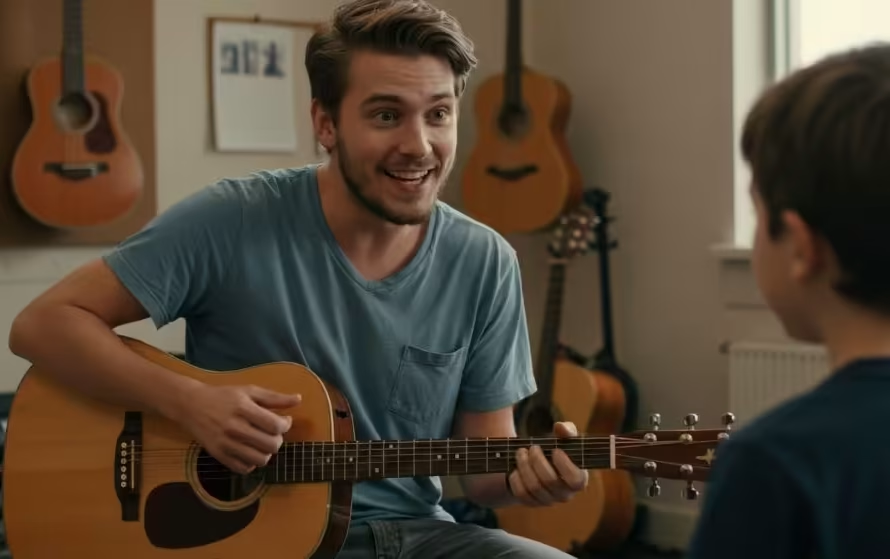
Accessible group guitar lessons in San Diego include all kids. They support children with disabilities, learning differences, and financial challenges. Lessons use adaptive teaching, special equipment, and community programs.
Music education should be open to every child. Accessible guitar programs in San Diego give all kids a chance to enjoy music.
Adaptive programs help children with mobility limits. Special needs support helps kids with autism, ADHD, or learning differences. Financial aid helps low-income families. Apply for scholarships early.
Multilingual options support Spanish-speaking families. Look for bilingual teachers. Sensory-friendly programs help kids with sensory needs. Visit during quiet hours to check the environment.

Music Lessons in San Diego with K&M Music School
1 Expert Music Lessons
We offer Piano, Violin, Cello, Guitar, Ukulele, Saxophone, Bassoon, Harp, Voice, and Toddler group lessons for students of all ages and skill levels.
2 Why Choose Us?
- 🎶 Boosts focus and self-discipline
- 🎵 Strengthens cognitive skills
- 🎼 Enhances cultural understanding
- 🎤 Builds confidence through recitals
3 We Welcome Adults Too!
Why Accessible Group Guitar Lessons Matter in San Diego
Breaking Down Barriers to Music Education
Traditional music programs often leave out kids who need extra support. Accessible group guitar lessons in San Diego remove physical, financial, and social barriers. These programs make sure every child can join music education.
Financial barriers prevent many families from affording music lessons. Community organizations in San Diego offer sliding scale tuition, scholarships, and equipment loans. These resources make guitar lessons possible for families with limited budgets.
The Benefits of Group Learning for All Children

Group guitar lessons create inclusive environments where children with different abilities learn together. This integration reduces stigma and builds understanding among all participants. Children develop empathy while making music with diverse peers.
Group lessons teach kids social skills. They learn to wait their turn, listen, and play together. These skills help in life, not just in music.
Moreover, group lessons cost less than individual instruction while providing valuable peer interaction. Families save money while children gain social benefits that private lessons cannot offer.
San Diego’s Commitment to Inclusive Education
San Diego County leads California in accessible music education initiatives. Local school districts partner with community organizations to expand inclusive programs. Federal grants support these efforts through the Individuals with Disabilities Education Act.
San Diego schools must make music programs accessible for students with disabilities. This rule encourages new ideas in adaptive music teaching.
Community groups also work to expand access. Their efforts create new programs, better spaces, and more funding for inclusive education.
Types of Accessible Group Guitar Lessons Available in San Diego
Programs for Children with Physical Disabilities
Physical adaptations make guitar playing possible for children with mobility limitations. One-handed playing techniques allow children with limb differences to participate fully. Specialized picks and straps accommodate various physical needs.
Wheelchair-accessible music studios provide comfortable learning environments. Adjustable music stands and adaptive seating ensure every child can participate comfortably. These modifications create truly inclusive spaces.
Electronic amplification helps children with limited strength produce audible sounds. Digital effects and backing tracks enhance the musical experience for all participants. Technology bridges gaps that physical limitations might create.
Support for Learning Differences and Special Needs

Children with autism spectrum disorders benefit from structured, predictable lesson formats. Visual schedules, consistent routines, and sensory breaks help these students succeed. Instructors receive specialized training in autism-friendly teaching methods.
ADHD-friendly programs incorporate movement and frequent activity changes. Short segments keep attention focused while hands-on learning maintains engagement. Fidget tools and sensory items support concentration during lessons.
Learning disabilities require individualized approaches within group settings. Visual aids, repetition, and multi-sensory techniques help all children process information effectively. Instructors adapt their teaching to match different learning styles.
Financial Accessibility Programs
Sliding scale tuition bases costs on family income levels. Many San Diego programs offer reduced rates for qualifying families. This approach makes quality music education affordable for working-class households.
Scholarship opportunities exist through local foundations and music organizations. The San Diego Foundation funds music education for underserved children. Applications typically require financial documentation and essays about musical goals.
Equipment loan programs provide guitars and accessories to students who cannot afford instruments. Libraries and community centers often maintain these lending programs. Some organizations offer rent-to-own options for families.
Multilingual and Cultural Accessibility
Spanish-speaking instructors serve San Diego’s large Latino population. Bilingual programs incorporate Mexican folk music and other cultural traditions. This approach honors students’ heritage while teaching guitar fundamentals.
Translation services help non-English speaking parents communicate with instructors. Cultural liaisons bridge gaps between families and music programs. Community centers often provide these support services.
Diverse musical repertoire reflects San Diego’s multicultural population. Students learn songs from various traditions, building appreciation for different cultures. This exposure enriches the musical experience for all participants.
Music Lessons in San Diego with K&M Music School
1 Expert Music Lessons
We offer Piano, Violin, Cello, Guitar, Ukulele, Saxophone, Bassoon, Harp, Voice, and Toddler group lessons for students of all ages and skill levels.
2 Why Choose Us?
- 🎶 Boosts focus and self-discipline
- 🎵 Strengthens cognitive skills
- 🎼 Enhances cultural understanding
- 🎤 Builds confidence through recitals
3 We Welcome Adults Too!
Top Accessible Group Guitar Lesson Providers in San Diego
Community Music Centers Offering Inclusive Programs
The Community Music Center in City Heights offers comprehensive accessible programming. Their adaptive music therapy department serves children with various disabilities. Sliding scale tuition makes lessons affordable for low-income families.
Balboa Park’s House of Music provides barrier-free facilities and inclusive instruction. Their group guitar programs accommodate children with physical disabilities and learning differences. Transportation assistance helps families access their services.
The North County Music Center specializes in special needs programming. Their certified music therapists work with children who have developmental disabilities. Small group sizes ensure individual attention within supportive peer environments.
Adaptive Music Therapy Centers
San Diego Music Therapy Center combines clinical expertise with recreational music instruction. Licensed therapists lead group guitar sessions that address both musical and therapeutic goals. Insurance sometimes covers these services.
Harmonics Music Therapy serves children with autism, cerebral palsy, and other conditions. Their group programs integrate therapeutic objectives with guitar instruction. Families report significant improvements in communication and social skills.
The Center for Music Therapy at UC San Diego conducts research while providing services. Graduate students work with children under professional supervision. This model provides high-quality care at reduced costs.
School District Partnership Programs
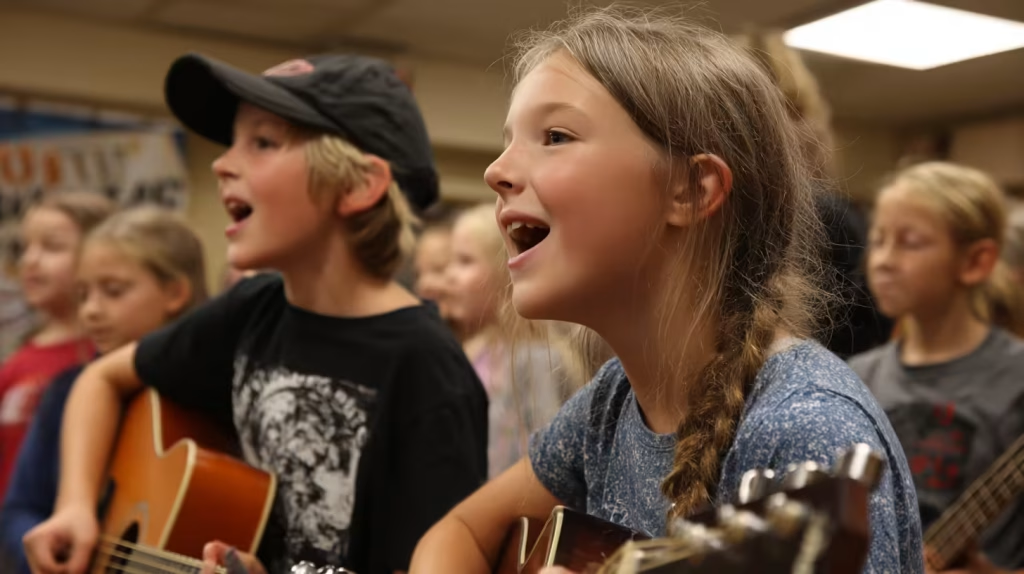
San Diego Unified’s after-school music programs include accessible guitar instruction. Special education staff collaborate with music teachers to support students with disabilities. Transportation from school to program sites is provided.
Chula Vista schools partner with community groups to offer guitar lessons. These programs help students who may not get music otherwise. Federal Title I funding supports them.
Poway Unified’s summer camps include adaptive music programming. Children with disabilities participate alongside typically developing peers. Camp scholarships ensure financial accessibility for all families.
Private Studios with Accessibility Features
Several private instructors in San Diego specialize in adaptive guitar instruction. These professionals have training in special education and music therapy. They often provide more individualized attention than larger programs.
Studios with accessibility features include ramped entrances, accessible restrooms, and sensory-friendly environments. Instructors modify their teaching methods to accommodate different learning needs. Flexible scheduling accommodates therapy appointments and medical needs.
Family-centered approaches involve parents in the learning process. Instructors provide home practice strategies and communicate regularly about progress. This collaboration supports continued learning between lessons.
What Makes Guitar Lessons Truly Accessible in San Diego
Physical Accessibility Requirements
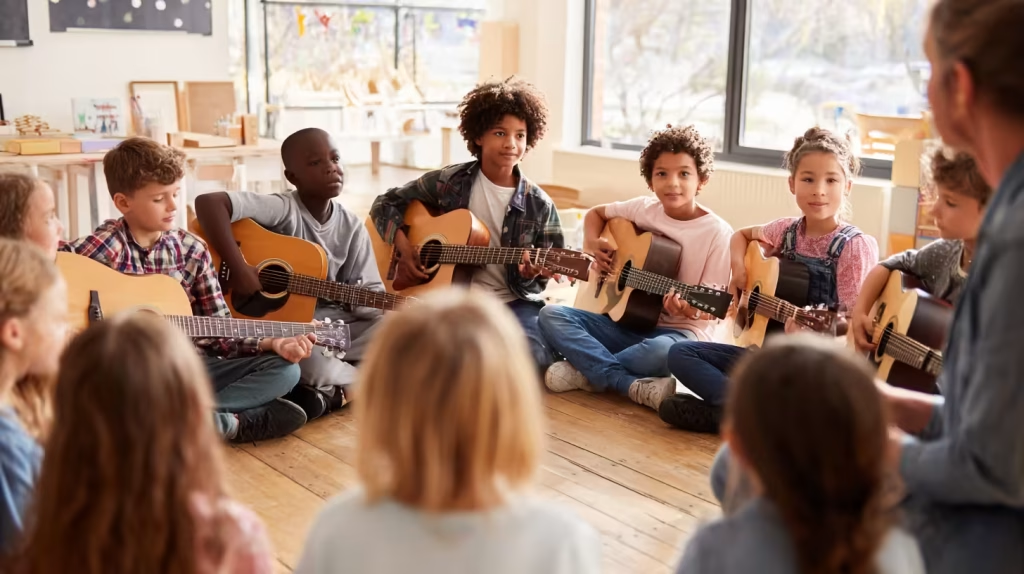
ADA-compliant facilities ensure wheelchair access throughout buildings. Accessible parking spaces locate close to entrances. Wide doorways and hallways accommodate mobility equipment.
Adjustable furniture accommodates children of different sizes and abilities. Height-adjustable music stands and chairs create comfortable learning positions. Accessible restrooms include adult-sized changing tables when needed.
Sensory considerations include appropriate lighting and sound levels. Some programs offer quiet spaces for sensory breaks. Visual supports help children understand expectations and routines.
Instructional Accessibility Features
Multi-sensory teaching engages visual, auditory, and tactile learners. Instructors use gestures, visual aids, and hands-on demonstrations. This approach benefits all students, not just those with learning differences.
Large print music materials accommodate visual impairments. Braille music notation is available for blind students. Digital music apps provide interactive learning experiences.
Flexible pacing allows students to progress at their own speed. Advanced students can take on leadership roles while beginners receive extra support. This differentiation keeps all children engaged and challenged appropriately.
Equipment and Instrument Adaptations
Right and left-handed guitars ensure proper instrument fit for all students. Reduced-size instruments accommodate smaller children and those with physical limitations. Electric guitars with amplification help students with limited strength.
Adaptive picks and straps assist children with fine motor challenges. Weighted picks provide sensory input for students who need it. Textured surfaces improve grip for students with coordination difficulties.
Alternative tuning systems simplify chord playing for beginners. Open tunings allow students to strum full chords with minimal finger positioning. This modification builds confidence and musical satisfaction quickly.
Communication and Family Support
Regular progress reports keep families informed about their child’s development. Photos and videos document musical achievements. These records help track progress and celebrate successes.
IEP integration aligns music goals with educational objectives. Music instructors collaborate with special education teams. This coordination supports comprehensive student development.
Crisis intervention plans address behavioral challenges before they escalate. Instructors receive training in de-escalation techniques. Clear protocols ensure safe, supportive learning environments.
Cost and Financial Assistance for Accessible Guitar Lessons in San Diego
Average Costs of Accessible Group Programs
Standard group guitar lessons in San Diego cost $80-120 per month for weekly sessions. Accessible programs often charge similar rates but provide additional services. The value includes specialized instruction and adaptive equipment.
First, extra costs can include instrument rental ($20–30 per month). Next, music books cost $10–20 per semester. Also, some programs include these in tuition. Finally, always ask about hidden fees before you sign up.
Transportation assistance adds value for families without reliable transportation. Some programs provide van service or partner with ride-sharing programs. This support removes a significant barrier for many families.
Financial Aid and Scholarship Opportunities
The San Diego Foundation awards music education scholarships annually. Applications typically open in January for fall programming. Awards range from partial tuition support to full scholarships including instruments.
United Way of San Diego County funds accessible music programs. Their grants support sliding scale tuition and scholarship funds. Community members can donate directly to these programs.
Local service clubs like Rotary and Lions Club often sponsor individual students. These organizations value music education and frequently support children with disabilities. Personal connections often help secure sponsorships.
Insurance and Medical Coverage Options
Music therapy services sometimes qualify for insurance coverage. Medicaid may cover therapeutic music instruction for children with diagnosed disabilities. Prior authorization is typically required.
HSA and FSA accounts may cover adaptive music lessons. Ask a tax expert which costs are allowed. Paperwork rules are different for each provider.
Supplemental Security Income (SSI) allows families to spend benefits on music education. These federal benefits support disabled children’s development activities. Music lessons qualify as educational expenses.
Budget-Friendly Alternatives and Resources
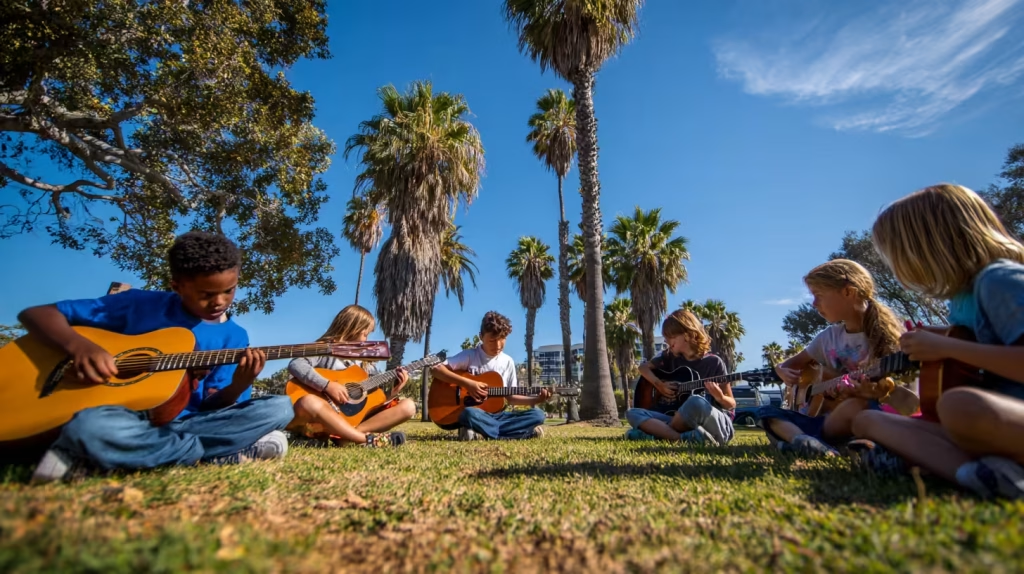
Public library systems in San Diego offer free music programs. Many branches host guitar circles and beginner classes. These programs provide introduction to music instruction at no cost.
Community colleges provide low-cost continuing education music classes. San Diego Community College District offers adaptive programs. Senior and disability discounts further reduce costs.
Volunteer programs pair music students with disabled children. High school and college musicians gain service learning credit while providing instruction. These relationships often develop into lasting mentorships.
Choosing the Right Accessible Guitar Program for Your Child
Assessing Your Child’s Specific Needs
Physical accommodations vary significantly among children with disabilities. Some need wheelchair accessibility while others require modified instruments. Observe your child during trial lessons to identify specific requirements.
Communication needs differ among children with developmental disabilities. Some children use verbal language while others communicate through signs or devices. Ensure instructors can accommodate your child’s communication style.
Sensory preferences affect learning environments significantly. Some children need quiet spaces while others thrive with background stimulation. Discuss sensory needs with potential instructors before enrollment.
Questions to Ask Potential Instructors
Training backgrounds reveal instructors’ qualifications for adaptive instruction. Ask about special education coursework, music therapy training, or disability-specific workshops. Experienced instructors produce better outcomes.
Class management strategies show how instructors handle challenging behaviors. Positive behavior supports work better than punitive approaches. Look for programs that emphasize prevention and redirection.
Emergency procedures ensure student safety during medical events. Instructors should know how to respond to seizures, behavioral crises, and medical emergencies. Written protocols demonstrate program preparedness.
Trial Lessons and Program Evaluation
Free consultations allow families to assess program fit before committing. Most reputable programs offer trial periods or money-back guarantees. Use these opportunities to evaluate your child’s comfort and engagement.
Progress measurement systems show how programs track student development. Look for programs that use multiple assessment methods. Regular communication about progress indicates quality instruction.
Family satisfaction surveys reveal other parents’ experiences. Ask for references from families with similar needs. Social media groups often provide honest program reviews.
Location and Transportation Considerations
Public transportation accessibility affects long-term participation. San Diego MTS provides paratransit services for disabled individuals. Some programs coordinate with transportation providers.
Parking availability and costs impact family budgets. Street parking may be difficult for families with mobility equipment. Inquire about reserved accessible parking spaces.
Weather protection becomes important during San Diego’s rainy season. Covered drop-off areas help families with mobility equipment. Indoor facilities provide consistent learning environments.
Resources and Support for Families in San Diego
Local Organizations Supporting Music Accessibility
Disability Rights California advocates for accessible music education programs. They provide legal support when schools fail to accommodate students with disabilities. Their resources help families understand their rights.
The Arc of San Diego supports individuals with intellectual and developmental disabilities. They operate music programs and advocate for inclusive education. Family support services help navigate available resources.
United Cerebral Palsy of San Diego provides adaptive music programs. Their therapeutic recreation department includes guitar instruction. Sliding scale fees make services accessible to low-income families.
Equipment and Instrument Resources
Guitar Center in San Diego rents adaptive instruments and equipment. Their staff receives training in accessibility modifications. Rent-to-own programs help families eventually purchase instruments.
San Diego Public Library’s instrument lending program includes guitars. Library cards provide access to quality instruments at no cost. Online tutorials complement instrument borrowing services.
Local music stores often donate instruments to accessible programs. Rehabilitation services sometimes provide funding for adaptive equipment. Insurance may cover instruments prescribed for therapeutic purposes.
Educational and Advocacy Resources
Parent Information Center of San Diego helps families understand special education rights. IEP advocacy services ensure appropriate music education accommodations. Workshops teach parents to advocate effectively.
Disability community organizations provide peer support and resource sharing. Facebook groups connect families with similar experiences. Local meetups offer in-person networking opportunities.
Legal aid societies help families when schools deny appropriate services. Pro bono attorneys specialize in disability rights cases. Know your rights before problems escalate.
Online Communities and Support Groups
San Diego Special Needs Parents Facebook group shares resource information. Members post about accessible programs and available scholarships. Real experiences help families make informed decisions.
Mighty Networks hosts online communities for specific disabilities. These groups share adaptive music strategies and equipment recommendations. Professional musicians with disabilities mentor young students.
Virtual support meetings accommodate families with transportation challenges. Recorded sessions provide information for those who cannot attend live. Online resources remain available 24/7.
The Future of Accessible Music Education in San Diego
Emerging Technologies and Innovations
Virtual reality music instruction removes physical barriers for homebound students. VR headsets provide immersive guitar lessons with remote instructors. This technology expands access beyond traditional classroom settings.
Artificial intelligence personalizes instruction for individual learning needs. AI programs adapt to each student’s pace and learning style. These tools supplement human instruction with customized practice sessions.
Remote lesson capabilities expanded significantly during the pandemic. High-quality video instruction now reaches students anywhere in San Diego County. Hybrid programs combine in-person and virtual instruction.
Community Growth and Expansion

New accessible music programs launch annually throughout San Diego County. Community partnerships leverage resources to serve more families. Growing awareness drives increased funding and support.
Instructor training programs prepare more teachers for adaptive instruction. San Diego State University offers courses in special education music methods. This training pipeline ensures qualified instructors for growing programs.
Facility improvements continue making more venues accessible. Grant funding supports building modifications and equipment purchases. Universal design principles guide new construction projects.
Advocacy and Policy Development
California legislation strengthens requirements for accessible education programs. Assembly Bill 1735 mandates inclusive music instruction in public schools. These laws drive systemic improvements statewide.
Federal funding through the Every Student Succeeds Act supports innovative programs. Title I schools receive additional resources for serving diverse populations. Grant opportunities continue expanding program possibilities.
Community advocacy efforts raise awareness about music education benefits. Research demonstrates positive outcomes for children with disabilities. Evidence-based advocacy drives policy improvements and funding increases.
Music Lessons in San Diego with K&M Music School
1 Expert Music Lessons
We offer Piano, Violin, Cello, Guitar, Ukulele, Saxophone, Bassoon, Harp, Voice, and Toddler group lessons for students of all ages and skill levels.
2 Why Choose Us?
- 🎶 Boosts focus and self-discipline
- 🎵 Strengthens cognitive skills
- 🎼 Enhances cultural understanding
- 🎤 Builds confidence through recitals
3 We Welcome Adults Too!
Frequently Asked Questions About Accessible Guitar Lessons in San Diego
What disabilities can be accommodated in group guitar lessons?
Most disabilities can be supported with the right changes. Programs help kids with autism, cerebral palsy, Down syndrome, vision problems, and learning issues. Each child is checked to find the support they need.
How much do accessible guitar programs cost in San Diego?
Costs range from free community programs to $150 monthly for comprehensive services. Most programs offer sliding scale tuition based on family income. Scholarships and financial aid make lessons affordable for qualifying families.
Are there free accessible guitar lessons available?
Yes, several organizations provide free programming. Public libraries, community centers, and nonprofit organizations offer no-cost instruction. These programs often have waiting lists due to high demand.
What age groups are served by accessible programs?
Programs typically serve children ages 5-18, with some accepting younger or older students. Age-appropriate groupings ensure developmental readiness and peer compatibility. Adult programs also exist for transition-age youth.
How do I know if my child is ready for group lessons?
Most children benefit from group instruction regardless of disability or skill level. Trial lessons help assess readiness and fit. Instructors evaluate attention span, social skills, and motor abilities during consultations.
What equipment do we need to purchase?
Basic needs include a properly sized guitar, picks, and music folder. Many programs provide instruments for trial periods. Rental options reduce initial investment while families assess continued interest.
Can children with severe disabilities participate?
Yes, programs accommodate children with significant support needs. One-on-one aides may attend lessons with students. Individualized adaptations ensure meaningful participation regardless of disability severity.
Are there bilingual instructors available?
Spanish-speaking instructors are available in many San Diego programs. Some instructors speak other languages or work with translators. Cultural competency training helps instructors serve diverse populations effectively.
How do accessible lessons differ from regular lessons?
Accessible lessons use modified teaching methods, adaptive equipment, and individualized supports. Class sizes are often smaller with additional staff support. The goal remains the same: quality music education for all students.
What if my child needs one-on-one attention within the group?
Good programs balance group and individual instruction naturally. Instructors circulate to provide personal guidance while maintaining group cohesion. Additional individual lessons can supplement group instruction when needed.
Conclusion

Accessible group guitar lessons in San Diego give every child a chance to learn music. Disabilities, money problems, or language barriers do not stop kids from joining.
San Diego keeps growing its inclusive music programs. Community groups, teachers, and advocates support this effort. Families now have more options for guitar lessons that fit their child’s needs. The future looks bright with new technology and greater awareness.
Every child should get the chance to make music with friends. Guitar lessons build joy, confidence, and connection. Accessible group guitar lessons in San Diego make this possible for all families.
Ready to begin your child’s music journey? Contact a San Diego accessible guitar program today. Music lessons can change your child’s life and build lasting friendships.
Katherine Dvoskin, Co-Founder of K&M Music School
She is the co-founder of K&M Music School in San Diego, is a passionate music educator with over 25 years of experience. She offers expert piano lessons in San Diego. At K&M Music School, we teach Piano, Violin, Cello, Saxophone, Bassoon, Harp, Voice, and Toddler group lessons. Katherine's blog shares insights on music education, covering topics from toddler music group lessons to adult music lessons. Whether you're seeking private music lessons or group music lessons for toddlers near you, welcome to K&M Music School.