
Recorder or Flute First? Pros, Cons, and Timing

Katherine Dvoskin, Co-Founder of K&M Music School
I hope you enjoy this blog post! If you're interested in scheduling a free trial lesson, just click.
Author: Katherine Dvoskin | Co-Founder of K&M Music School
Published November 14th, 2025

Choosing Recorder or Flute
Picking between recorder and flute is a common question. Both choices can work well. Age matters. Body size and breath control matter. Budget matters. Goals matter. Start with the option that fits your child best.
Recorder
- Best age: 5–8
- Cost: $10–30
- First sound: minutes to hours
- Needs: small hands, basic breath
- Learning curve: gentle
- Value: great foundation and school use

Music Lessons in San Diego with K&M Music School
1 Expert Music Lessons
We offer Piano, Violin, Cello, Guitar, Ukulele, Saxophone, Bassoon, Harp, Voice, and Toddler group lessons for students of all ages and skill levels.
2 Why Choose Us?
- 🎶 Boosts focus and self-discipline
- 🎵 Strengthens cognitive skills
- 🎼 Enhances cultural understanding
- 🎤 Builds confidence through recitals
3 We Welcome Adults Too!
Flute
- Best age: 9+
- Cost: $100–300 or $20–40/month rental
- First sound: days to weeks
- Needs: bigger hand span, longer arms, good lungs, front teeth
- Learning curve: steep; needs patience
- Value: direct path to flute goals, many performance options
Understanding the Recorder and Flute – Basic Differences
What is a Recorder?
A recorder is a simple wind instrument. It has eight finger holes for different notes. Most beginner recorders are plastic. Some advanced ones are wood. You blow into a built-in mouthpiece called a fipple. This makes sound easy to produce.
Recorder Sizes and Cost
The soprano recorder is the common starter. Alto, tenor, and bass recorders are lower in pitch. A good student recorder costs $10–$30. Wooden models can cost $100+, but beginners don’t need them.
Listen to Our Podcast
If you’d like to learn more about Recorder or Flute First? Pros, Cons, and Timing Tune in to our podcast, where we share expert tips and insights. Check it out on our YouTube channel and elevate your music journey today!
Practical Stuff
The recorder is light and easy to carry. Kids can keep it in a backpack. Maintenance is simple: rinse with warm water. There are few parts, so it rarely breaks.
What is a Flute?
The concert flute is held sideways. You blow across a small hole (embouchure). It has no built-in mouthpiece like a recorder. You must shape your lips to aim the air. This skill takes time and practice.
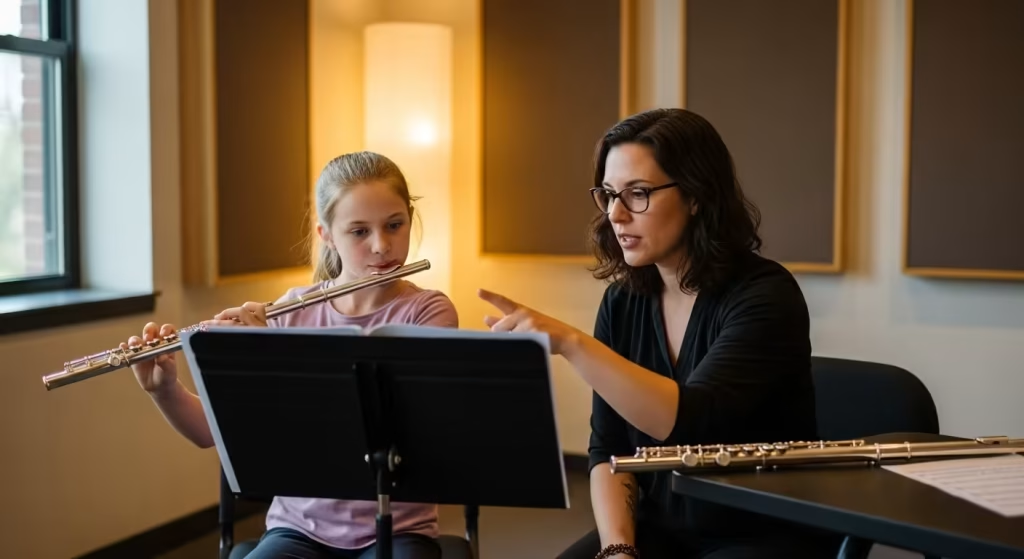
Flutes have a complex key system with 16 or more keys. These keys open and close tone holes to create different pitches. The mechanism requires coordination and finger dexterity. Most student flutes are made from nickel-plated brass. Intermediate and professional models use silver or gold alloys.
Beginner flutes cost $100–$500. Renting is $20–$40 per month. Pro flutes can cost thousands. Flutes need regular service. Pads and cleaning happen every few years.
Recorder vs. Flute
| Feature | Recorder | Flute |
|---|---|---|
| Orientation | Vertical | Horizontal |
| Sound making | Fipple mouthpiece (easy) | Embouchure hole (harder) |
| Weight | 2–4 oz | 14–16 oz |
| Keys | No keys, just holes | 16+ keys and levers |
| Material | Plastic or wood | Metal (nickel, silver, gold) |
| Portability | Extremely portable | Portable with case |
| Maintenance | Rinse with water | Pro cleaning and pad care |
Recorder or Flute First? The Age Factor
Age is the most important factor in choosing between recorder or flute first. Each instrument has physical requirements that match different developmental stages.
Best Age to Start Recorder (Ages 5-8)
The recorder works perfectly for young children between ages 5 and 8. At this age, most kids have hands big enough to cover the holes but don’t have the physical strength needed for flute. The recorder’s lightweight design prevents arm fatigue during practice sessions.

Young learners can produce a sound on recorder within minutes of trying. This instant success builds confidence and excitement about music. The breath pressure needed is gentle and natural for children. They don’t need the lung capacity or breath control that flute demands.
Many elementary schools introduce recorder in kindergarten through third grade. This means your child gets built-in practice time and peer learning. The group setting makes learning fun and less intimidating. Teachers guide students through basic technique and first songs.
Starting recorder at this age creates a strong musical foundation. Children learn to read treble clef notation. They develop basic rhythm skills and pitch recognition. These fundamentals transfer to any instrument they learn later.
Best Age to Start Flute (Ages 8-10+)
Most children are ready for flute between ages 8 and 10, though some may need to wait longer. The flute requires specific physical development that younger children simply don’t have yet. Hand size matters because fingers must stretch to reach all the keys comfortably.
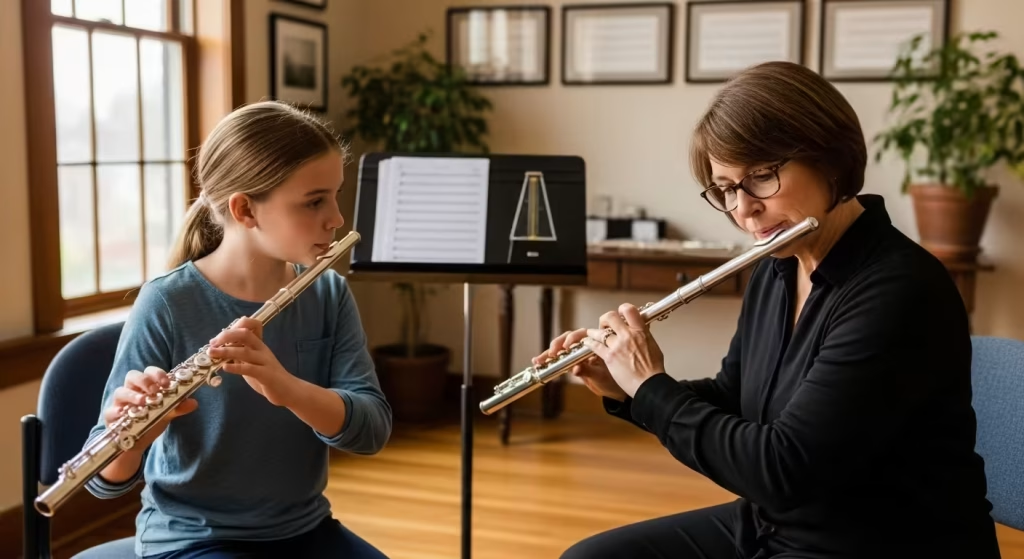
Arm length is crucial for holding the instrument properly. Children need enough reach to extend their arms while keeping good posture. Short arms create awkward positioning that leads to tension and poor technique. Lung capacity also plays a role. Flute requires sustained, controlled airflow that young children often can’t maintain.
Dental development is another consideration. Children should have their permanent front teeth before starting flute. Baby teeth are too small and unstable to support proper embouchure formation. The teeth create a reference point for lip placement and air direction.
Most middle school band programs start in fifth or sixth grade, around age 10 or 11. This timing aligns with when most children have the physical readiness for flute. Starting at this age allows students to develop proper technique from the beginning.
Recorder & Flute Tuner
Tap a note to hear it. Use it to match your sound.
Recorder Notes
Flute Notes
Can You Start Flute Too Early? Warning Signs
Starting flute before a child is physically ready causes problems. Watch for these warning signs that indicate your child should wait:
- Fingers can’t comfortably reach all keys without stretching painfully
- Arms get tired after holding the instrument for just a few minutes
- Child can’t produce any sound after several lessons
- Frustration and tears during practice sessions
- Slouching or twisting to compensate for short arms
- Complaining about pain in hands, arms, or shoulders
Some children are physically ready at age 7, while others need to wait until age 11. Every child develops at their own pace. A good teacher can assess readiness during a trial lesson. Don’t push a child who isn’t ready just because you’re eager to start.
Starting too early creates bad habits that are hard to fix later. Poor posture becomes ingrained. Incorrect embouchure feels normal. These problems slow progress and can cause injury. It’s better to wait six months or a year than to struggle with poor fundamentals.
Starting Recorder First as a Bridge to Flute

Many students use recorder as a stepping stone to flute. This path works well for children who want to play flute eventually but are too young to start. Recorder builds important skills while you wait for physical maturity.
The recorder teaches breath control basics. Students learn to support sound with steady air pressure. They practice shaping phrases and managing airflow. These concepts transfer to flute, even though the specific techniques differ.
Music reading skills develop on recorder. Students learn note names, rhythm patterns, and time signatures. This knowledge applies to any instrument. Starting to read music early gives students a huge advantage later.
A typical timeline involves 1 to 2 years on recorder before transitioning to flute. Some students move faster, while others need more time. The goal is mastering recorder basics before taking on flute’s challenges. This approach builds confidence and prevents frustration.
Pros and Cons of Starting with Recorder
Advantages: Affordability and Access
A recorder is cheap. A good one costs $10–$30. You can buy it without a contract. No rental fees. If it breaks or gets lost, replacement is easy. You can keep one at school and one at home. This helps daily practice. If you have multiple kids, you can buy recorders for all of them.
Ease of Learning
The recorder’s simple design makes learning intuitive. Children can produce a clear tone on their first try. This immediate success creates excitement and motivation. The fingering system is straightforward with just eight holes to cover.
Early progress comes quickly. Most students play simple melodies within their first few weeks. They can perform recognizable songs for family and friends. This visible achievement builds confidence and encourages continued practice.
The physical demands are minimal. Young children don’t need exceptional coordination or strength. The lightweight instrument doesn’t cause fatigue. Practice sessions can be longer because arms don’t get tired from holding position.
Music Lessons in San Diego with K&M Music School
1 Expert Music Lessons
We offer Piano, Violin, Cello, Guitar, Ukulele, Saxophone, Bassoon, Harp, Voice, and Toddler group lessons for students of all ages and skill levels.
2 Why Choose Us?
- 🎶 Boosts focus and self-discipline
- 🎵 Strengthens cognitive skills
- 🎼 Enhances cultural understanding
- 🎤 Builds confidence through recitals
3 We Welcome Adults Too!
Strong Musical Foundation
Recorder teaches essential musical concepts. Students learn proper breathing techniques for wind instruments. They develop breath support and control. These skills are fundamental for all wind and brass instruments.
Note reading begins on recorder. Students learn treble clef and basic notation. They practice reading rhythm patterns and pitch relationships. This literacy makes learning additional instruments much easier later.
Music theory concepts emerge naturally. Students experience scales, intervals, and simple harmony. They learn about tempo, dynamics, and articulation. These building blocks support all future musical study.
Availability in Schools
Most elementary schools include recorder in their music curriculum. This means your child gets structured instruction during the school day. The teacher provides guidance and feedback. Students practice together, creating a supportive learning environment.
Built-in school time reduces the burden on busy families. You don’t need to schedule separate lessons or drive to music studios. Your child participates in class performances and group activities. The social aspect makes learning more enjoyable.
School programs often provide recorders or offer them at low cost. Some districts lend instruments to families who need assistance. This accessibility ensures all students can participate regardless of economic circumstances.
Disadvantages of Starting with Recorder First
Limited Musical Range
The recorder has a smaller repertoire than flute. Most popular music doesn’t feature recorder prominently. Classical music offers some beautiful pieces, but choices are limited compared to flute. Children who want to play contemporary songs may feel disappointed.
Performance opportunities for recorder are fewer. Most middle and high school bands don’t include recorder parts. Youth orchestras rarely use recorders. Students who continue with recorder may play alone rather than in ensembles.
The “cool factor” matters to older kids. Recorder looks like a beginner instrument. Teens may feel awkward playing it. Their friends play flute, sax, or guitar. This can lower motivation.
Potential for Bad Habits
Breathing technique differs between recorder and flute. Recorder uses gentle, natural breath pressure. Flute requires faster air speed and more focused direction. Students must adjust their approach when switching instruments.
Fingering systems don’t transfer directly. While some finger patterns are similar, many are completely different. Students essentially learn a new fingering system when moving to flute. This transition takes time and patience.
Some students develop a casual approach to tone quality on recorder. They may not learn to focus on beautiful sound production. This habit must be corrected when starting flute, where tone quality is central to good playing.
Pros and Cons of Starting with Flute First
Now let’s examine what happens when students skip recorder and start directly on flute.
Advantages of Choosing Flute First
Direct Path to Goal Instrument
If flute is your child’s dream instrument, starting directly makes sense. There’s no need to spend time on a different instrument first. Every practice session builds skills that matter for flute performance. Progress moves straight toward the ultimate goal.
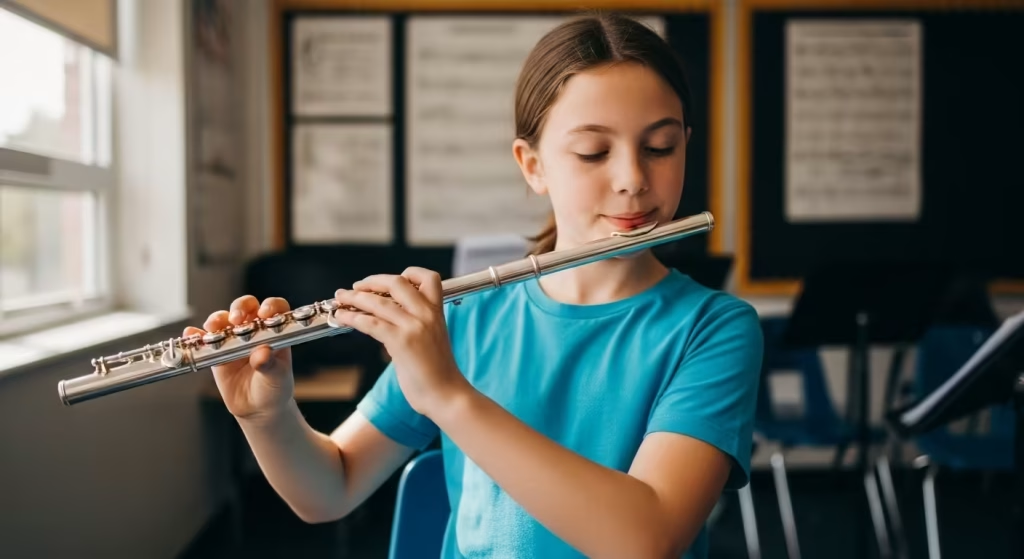
Students develop correct flute technique from day one. They don’t need to unlearn or adjust habits from another instrument. The embouchure forms properly without influence from recorder. Hand position and posture develop naturally.
Motivation stays high when children play their chosen instrument. They practice with enthusiasm because they’re working toward their passion. There’s no need to convince them that recorder is worthwhile when they really want flute.
Rich Performance Opportunities
Flute opens doors to many musical groups. School bands welcome flutists starting in middle school. Orchestras include important flute parts. Jazz ensembles feature flute in many arrangements. Students can participate in multiple groups.
Solo opportunities abound for flute. State and national competitions include flute categories. Students can pursue All-State honors and scholarship auditions. The repertoire is vast, spanning centuries and many musical styles.
The flute fits into diverse musical genres. Classical, jazz, contemporary, folk, and popular music all feature flute. Students can explore their musical interests across many styles. This versatility keeps learning fresh and exciting.
Lifelong Instrument Value
Flute remains relevant throughout life. Adults play in community bands, orchestras, and chamber groups. Professional opportunities exist for dedicated players. The instrument provides musical enjoyment for decades.
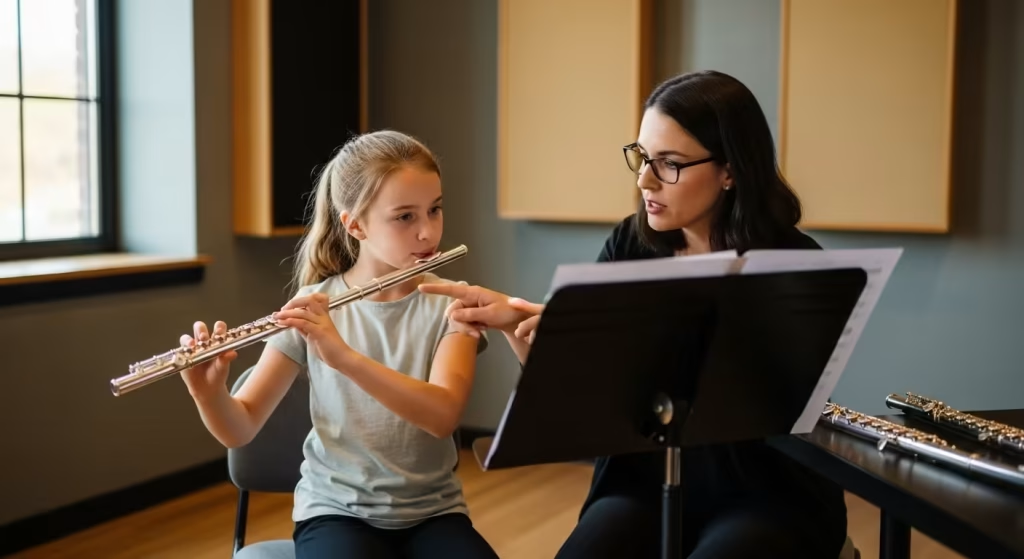
The flute community is large and active. Students can connect with other flutists through festivals, workshops, and online groups. This network provides support and inspiration. Friendships form around shared musical interests.
The sound of the flute appeals to many people. Its clear, beautiful tone works in many musical settings. Players find satisfaction in producing an elegant sound. This aesthetic pleasure motivates continued practice and improvement.
Disadvantages of Starting with Flute First
Higher Initial Cost
Flute requires a significant upfront investment. Student models start around $100 for basic instruments. Quality beginner flutes range from $200 to $500. This cost is substantial compared to a $20 recorder.
Many families choose rental programs. Monthly fees typically run $20 to $40. While this spreads the cost over time, it adds up quickly. A year of rental costs $240 to $480. Some programs offer rent-to-own options.
Maintenance adds to the expense. Flutes need regular professional cleaning and adjustment. Pads wear out and require replacement every few years. These costs can total $50 to $150 annually. Insurance may be necessary to protect your investment.
Steeper Learning Curve
Making your first sound on flute can take days or weeks. This slow start can feel frustrating. Friends may play songs sooner on easier instruments. Be patient.
The complex key system challenges beginners. Flute has many keys and levers that must be coordinated. Fingers need to move quickly and accurately. This coordination takes time to develop. Mistakes are common in the early stages.
The embouchure requires precision. Small changes in lip position and air direction create big differences in sound. Students must develop sensitivity to these adjustments. This refinement process can feel slow and difficult.
Physical Requirements
Physical readiness is non-negotiable. Children who aren’t big enough struggle unnecessarily. Hand span must accommodate key positions without strain. Fingers need to curve naturally over the keys.
Arm length affects posture and comfort. Short arms force awkward twisting to hold the instrument. This creates tension and prevents proper technique development. Students can develop pain or injury from poor positioning.
Lung capacity matters for phrase length and tone quality. Young children often run out of breath quickly. They can’t sustain notes or play longer phrases. This limitation feels frustrating and affects musical expression.
Dental readiness is important for embouchure stability. Permanent front teeth provide a stable reference point. Baby teeth are too small and may fall out during the learning process. This disrupts embouchure development.
Skills That Transfer from Recorder to Flute
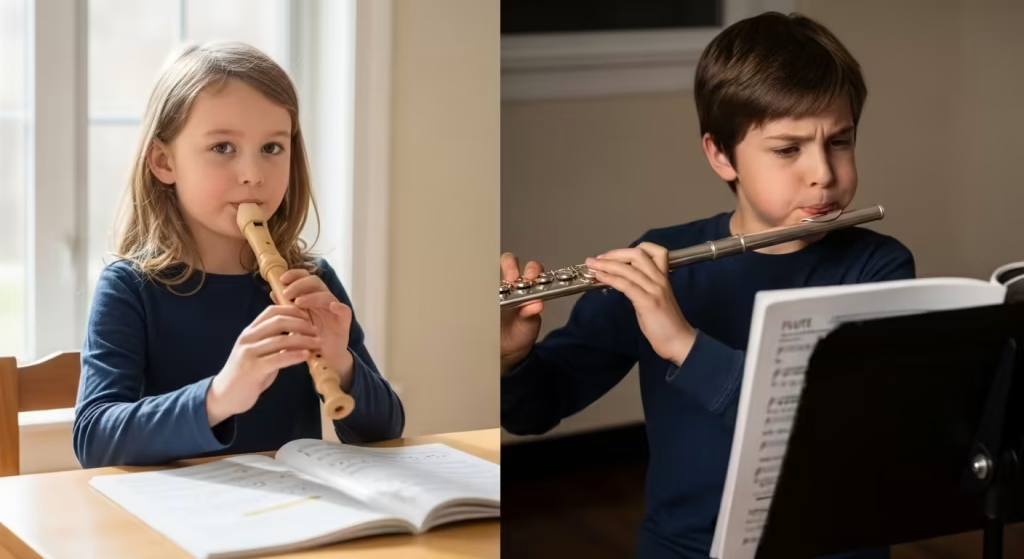
Reading music transfers well. Both use treble clef. Notes, rhythms, and key signs are the same. If you read well on recorder, you read well on flute.
Basic breath support also transfers. You learn that air controls sound. You shape phrases with steady breath. The details change, but the idea stays.
Rhythm skills fully transfer. You still count beats and subdivide. You keep a steady tempo. Strong rhythm on recorder helps on flute.
Pitch recognition and ear training transfer well. Students learn to hear when notes are in tune or out of tune. They develop the ability to match pitch and recognize intervals. This ear training is valuable for any musical instrument.
Performance confidence builds on recorder and carries over. Students who perform regularly on recorder feel more comfortable on stage. They learn to manage nervousness and focus despite audience presence. This confidence benefits all future performances.
Practice discipline is perhaps the most important transferable skill. Students who develop consistent practice habits on recorder bring this discipline to flute. They understand that regular, focused practice leads to improvement. This work ethic determines success more than natural talent.
Skills That Don’t Transfer (Must Relearn)
Embouchure formation is completely different between the two instruments. Recorder uses the natural mouth opening with the fipple directing air. Flute requires precise lip shaping and air direction across the embouchure hole. Students must build this skill from scratch.
Fingering systems differ significantly. While a few finger patterns are similar, most are different. The addition of keys and levers on flute creates new combinations. Students essentially learn a new fingering language.
Breath pressure and air speed change dramatically. Recorder uses gentle, natural breath pressure. Flute requires faster air speed directed precisely across the hole. This adjustment takes time and feels unnatural at first.
Tone production method is entirely different. Recorder tone comes easily through the fipple. Flute tone requires careful attention to embouchure, air speed, and direction. Students must develop new sensitivity to sound quality.
Hand position and posture change completely. Recorder hangs vertically with arms relaxed. Flute extends horizontally with arms raised. The weight distribution and balance are new. Muscles must adapt to different positioning.
Is the Transition Worth It? Time Investment Analysis
The transition from recorder to flute typically takes 3 to 6 months. During this time, students relearn basic skills like tone production and fingering. Progress may feel slow compared to their recorder achievement level.
Compare this to starting flute from scratch with no musical background. A complete beginner needs 6 to 12 months to reach the same level. The recorder background cuts learning time roughly in half. This advantage comes from music reading fluency and practice discipline.
The recorder foundation accelerates flute learning in important ways. Students already understand musical concepts like scales, keys, and rhythm. They don’t need to learn these fundamentals while also learning instrument technique. They can focus on flute-specific skills.
However, some students find starting over frustrating. They expect their recorder skills to transfer more directly. When they struggle with basic flute technique, they feel discouraged. Managing expectations is important during this adjustment period.
Overall, the transition is worthwhile for most students. The musical foundation from recorder provides lasting benefits. Students who start with recorder typically become well-rounded musicians with strong fundamentals. These skills support success on flute and any other instruments they learn later.
Making the Decision: Recorder or Flute First?
Use these guidelines to determine which path makes sense for your child.
Choose Recorder First If…
- Your child is under 8 years old
- Budget is a primary concern
- Your child is exploring whether music interests them
- Small hands or physical development concerns exist
- The school program uses recorder
- You want to build confidence before bigger commitments
- Your child gets easily frustrated by challenges
Choose Flute First If…
- Your child is 9 years old or older with mature physical development
- Flute is the definite end goal
- Your child shows strong determination and patience
- Physical requirements are clearly met
- Budget allows for proper instrument and lessons
- Your child has prior musical experience
- Your child asks specifically for flute
Consider Both
Age 8–9 is a gray zone. Try recorder and flute. See which one feels right.
School uses recorder, but your child loves flute? Do recorder in class and flute in lessons. Both paths help.
You have time and budget for two. Learn both instruments. This builds skills faster. Comparing them deepens learning.
Timing Your Transition from Recorder to Flute

If you start with recorder, knowing when to switch is important.
Signs Your Child Is Ready to Switch
- Mastery of basic recorder technique – plays cleanly with good tone quality
- Consistent practice habits – practices regularly without constant reminders
- Expressed interest in flute specifically
- Meeting physical requirements – hand size, arm length, dental development
- Understanding that starting over is part of the process
- Fluent music reading abilities
How Long Should You Stay on Recorder?
The minimum recommendation is 6 to 12 months of recorder study. This gives your child time to build basic skills and musical understanding.
A typical range is 1 to 2 years of recorder before switching. This timeline works well for children who start recorder at age 6 or 7. By age 8 or 9, they have both musical skills and physical readiness for flute.
Timing varies. Fast recorder progress? Switch sooner. Struggling or skipping practice? Wait longer. Kids grow at different rates. Some 7-year-olds are ready. Some 9-year-olds should wait.
Don’t rush just to move on. The recorder phase builds crucial foundations. Skipping ahead before mastery creates problems later. Your child will progress faster on flute if they truly master recorder first.
Making the Transition Smooth
Finding the right teacher matters enormously. Look for someone experienced in teaching both instruments. They understand how skills do and don’t transfer.
Setting realistic expectations prevents discouragement. Tell your child they’ll feel like a beginner again at first. Explain that producing a clear tone will take time.
Dealing with initial frustration requires patience. Your child may want to quit when flute feels hard after recorder felt easy. Remind them that everyone struggles at first.
Maintaining motivation during adjustment is crucial. Continue playing recorder occasionally for easy success. Mix some fun recorder pieces into practice time.
Practice schedule recommendations: Start with short flute practice sessions—15 to 20 minutes daily. Focus on tone production and basic exercises. Gradually extend time as stamina builds.
Special Considerations for Your Decision
Budget Comparison
Recorder costs about $30 to start. Ongoing costs are small. Total for 3 years is about $50.
A beginner flute may cost around $300 to buy. Renting a flute for 3 years can cost $720–$1,440. Maintenance can add $150–$300.
Both paths have extra costs. You will need method books. You may need a music stand. Lessons cost $20–$60 per 30 minutes. Group classes usually cost less. Some ensembles charge fees.
Learning Disabilities and Physical Challenges
Each instrument accommodates different needs. Recorder’s simple fingering may work better for children with fine motor challenges. The lightweight design helps those with low muscle tone.
Flute’s key system can actually help some learners. The keys require less finger strength than covering holes tightly. Children with weak fingers sometimes do better on flute.
Consult with music therapists who specialize in adaptive music education. They can recommend modifications or alternative approaches. Many children with challenges succeed beautifully with the right support.
Teacher Availability and Quality
Finding qualified recorder teachers can be challenging. Many music teachers view recorder as a school instrument and don’t offer private lessons.
Finding qualified flute teachers is generally easier. Most communities have band directors or private instructors who teach flute. Check with local music stores, universities, and school band programs for recommendations.
Frequently Asked Questions
Can a 6-Year-Old Start Flute Instead of Recorder?
A 6-year-old can physically start flute in rare cases, but it’s usually not recommended. Most 6-year-olds lack the hand size, arm length, and breath control needed. Exceptions exist for unusually physically mature children.
Curved head joints offer one solution for smaller children, but even with this equipment, most 6-year-olds should wait.
Will Learning Recorder Waste Time If My Child Wants to Play Flute?
Learning recorder is not wasted time. The musical skills developed on recorder transfer to flute and all other instruments. Music reading, rhythm, and basic musicianship all carry over.
Consider your child’s age when making this decision. If your child is 6 years old, they must wait anyway before starting flute. Using those waiting years for recorder makes perfect sense.
How Much Does Each Instrument Cost to Start?
Recorder: $10–$30 for instrument, $8–$15 for method books, minimal ongoing costs
Flute: $150–$500 to purchase or $20–$40/month rental, plus $50–$100 annual maintenance, $15–$25 for method books
Do I Need Private Lessons or Is School Enough?
School helps, but it has limits. Recorder classes are in big groups. Private lessons are personalized and progress is usually faster.
For recorder: school may be enough. Add private lessons if your child is very interested or talented.
For flute: get private lessons, especially in year one. Embouchure needs expert guidance that groups can’t provide.
What If My Child Loses Interest in Recorder?
Losing interest doesn’t mean music is wrong. Recorder can feel limited. Sometimes it’s a sign they’re ready to switch.
Consider transitioning to flute earlier than originally planned. Sometimes moving to the desired instrument rekindles enthusiasm. Alternatively, take a break from structured music study.
Can You Play Both Recorder and Flute Long-Term?
Playing multiple instruments is absolutely possible and beneficial. Many professional musicians double on several instruments. Recorder and flute complement each other well.
The practical challenge is practice time. Maintaining proficiency on two instruments requires double the practice. Many students focus primarily on flute while keeping recorder for special occasions.
Music Lessons in San Diego with K&M Music School
1 Expert Music Lessons
We offer Piano, Violin, Cello, Guitar, Ukulele, Saxophone, Bassoon, Harp, Voice, and Toddler group lessons for students of all ages and skill levels.
2 Why Choose Us?
- 🎶 Boosts focus and self-discipline
- 🎵 Strengthens cognitive skills
- 🎼 Enhances cultural understanding
- 🎤 Builds confidence through recitals
3 We Welcome Adults Too!
Conclusion
Choosing recorder or flute depends on age, body readiness, and goals. Both paths can lead to success. Pick the option that fits your child’s stage.
Age matters most. Under 8: start recorder. Age 9+ with the right size and breath: start flute. Starting flute too early can cause frustration.
Budget and goals count too. Recorder is low cost and gives quick wins. Flute costs more but leads straight to performance skills. Choose what fits your child and family.
All music skills transfer. Reading, rhythm, focus, and creativity carry over. Early music habits last a lifetime, no matter which instrument you start with.
Start your child’s music journey now. Recorder or flute both work. Music brings joy and lasting skills. It builds confidence, creativity, and friendships.
Ready to begin? Check local music programs. Try instruments at a music store. Talk to experienced teachers. Your child’s adventure awaits!
Katherine Dvoskin, Co-Founder of K&M Music School
She is the co-founder of K&M Music School in San Diego, is a passionate music educator with over 25 years of experience. She offers expert piano lessons in San Diego. At K&M Music School, we teach Piano, Violin, Cello, Saxophone, Bassoon, Harp, Voice, and Toddler group lessons. Katherine's blog shares insights on music education, covering topics from toddler music group lessons to adult music lessons. Whether you're seeking private music lessons or group music lessons for toddlers near you, welcome to K&M Music School.
