The Confidence Boost of Voice Lessons for Kids and Teens

Katherine Dvoskin, Co-Founder of K&M Music School
I hope you enjoy this blog post! If you're interested in scheduling a free trial lesson, just click.
Author: Katherine Dvoskin | Co-Founder of K&M Music School
Published September 16th, 2025

Voice lessons build kids’ and teens’ confidence and self-esteem. Learn how singing helps shy children become strong communicators. If you’re exploring options, see our Voice Lessons page for formats and scheduling.
Voice lessons give kids and teens more than music skills. They build confidence and self-esteem. Singing lessons improve communication and emotional skills. Research shows confidence grows as kids discover their voice.
Parents often ask if lessons are worth it. The answer is yes. Voice coaching also helps with school, social skills, and leadership. These benefits last a lifetime.
Age Benefits of Voice Lessons
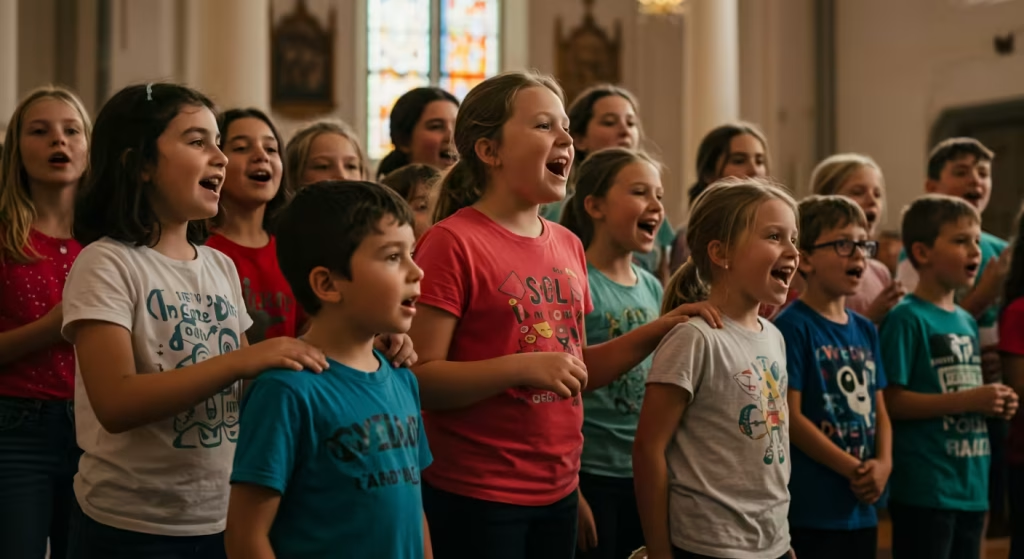
Ages 6–12 Kids build a strong foundation through fun and social learning. They learn voice projection, breathing, stage presence, and expression. These skills help in class, making friends, and handling peer pressure.
Ages 13–18 Teens use singing as an outlet and build leadership. They practice public speaking, self-advocacy, confidence, and goal setting. These skills help with interviews, presentations, and college applications.
All Ages Voice lessons reduce stress and build creativity and discipline. They teach clear communication, listening, empathy, and resilience. These skills help at home, in the community, and in future careers.

Music Lessons in San Diego with K&M Music School
1 Expert Music Lessons
We offer Piano, Violin, Cello, Guitar, Ukulele, Saxophone, Bassoon, Harp, Voice, and Toddler group lessons for students of all ages and skill levels.
2 Why Choose Us?
- 🎶 Boosts focus and self-discipline
- 🎵 Strengthens cognitive skills
- 🎼 Enhances cultural understanding
- 🎤 Builds confidence through recitals
3 We Welcome Adults Too!
Why Voice Lessons Build Confidence in Young People
The Science Behind Singing and Self-Esteem
Voice lessons create measurable changes in brain development and emotional regulation. Scientists have discovered that vocal training activates multiple brain regions simultaneously. This process strengthens neural pathways responsible for memory, focus, and emotional processing.
Breathing in lessons lowers stress. Deep breaths calm the body. They relax the mind. They boost confidence. For at-home practice, try these breathing exercises to reduce vocal strain.
Physical posture improvements happen automatically during proper singing technique. Students learn to stand tall, open their chest, and align their spine. These physical changes send confidence signals to the brain through embodied cognition.
Research from Northwestern University shows that music education increases academic performance by 23%. Students who participate in voice training score higher on standardized tests. They also demonstrate improved focus and problem-solving abilities.
Immediate Confidence Benefits Kids Experience
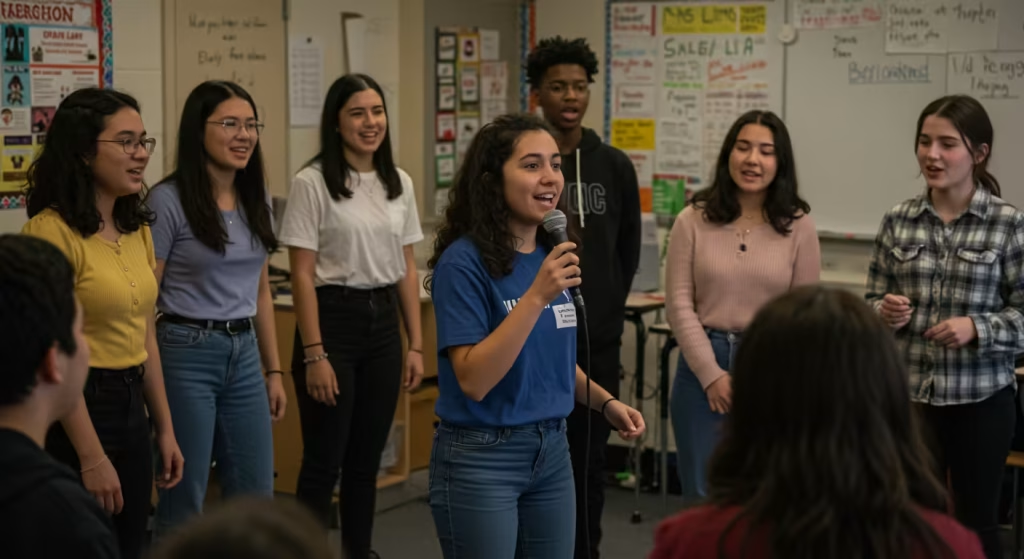
Finding their unique voice gives children a sense of personal identity. Each voice has distinct qualities that make it special. Voice teachers help students discover and celebrate these individual characteristics.
Learning to project their voice empowers children to be heard. Shy kids often speak quietly because they fear judgment. Voice lessons teach proper breath support and vocal placement. Students gain the technical skills needed to communicate clearly and confidently.
Overcoming fear of being judged happens gradually through supportive instruction. Voice teachers create safe spaces for experimentation and growth. Students learn that mistakes are part of the learning process. This mindset shift reduces performance anxiety in all areas of life.
Celebrating small wins builds momentum for continued growth. Voice lessons provide frequent opportunities for achievement recognition. Students master new songs, hit challenging notes, and improve their technique. Each success reinforces their ability to learn and grow.
Age-Specific Benefits: Voice Lessons for Different Stages
Voice Lessons for Kids (Ages 6-12)
Breathing in voice lessons lowers anxiety. Deep breaths calm the body. They relax the mind. They build confidence.
Building foundation skills creates confidence through competence. Young students learn basic breathing techniques, posture, and pitch matching. These fundamental skills provide the groundwork for advanced vocal development later.
Playful learning approaches keep children engaged and excited about music. Voice teachers use games, movement, and storytelling to teach technical concepts. This method makes learning enjoyable while building essential skills naturally.
Social skills development occurs naturally in group voice classes. Children learn to listen to others, take turns, and work as a team. They practice giving and receiving constructive feedback. These interpersonal skills transfer directly to classroom and playground interactions.
Music Lessons in San Diego with K&M Music School
1 Expert Music Lessons
We offer Piano, Violin, Cello, Guitar, Ukulele, Saxophone, Bassoon, Harp, Voice, and Toddler group lessons for students of all ages and skill levels.
2 Why Choose Us?
- 🎶 Boosts focus and self-discipline
- 🎵 Strengthens cognitive skills
- 🎼 Enhances cultural understanding
- 🎤 Builds confidence through recitals
3 We Welcome Adults Too!
Academic performance improvements are well-documented benefits of music education. Students who take voice lessons show enhanced reading comprehension and mathematical reasoning. Music training strengthens pattern recognition and sequential processing abilities.
Key developmental milestones include:
- Month 1-3: Basic breathing and posture awareness
- Month 4-6: Simple song memorization and pitch matching
- Month 7-12: Increased vocal range and emotional expression
- Year 2+: Performance confidence and advanced technique development
Voice Lessons for Teens (Ages 13-18)
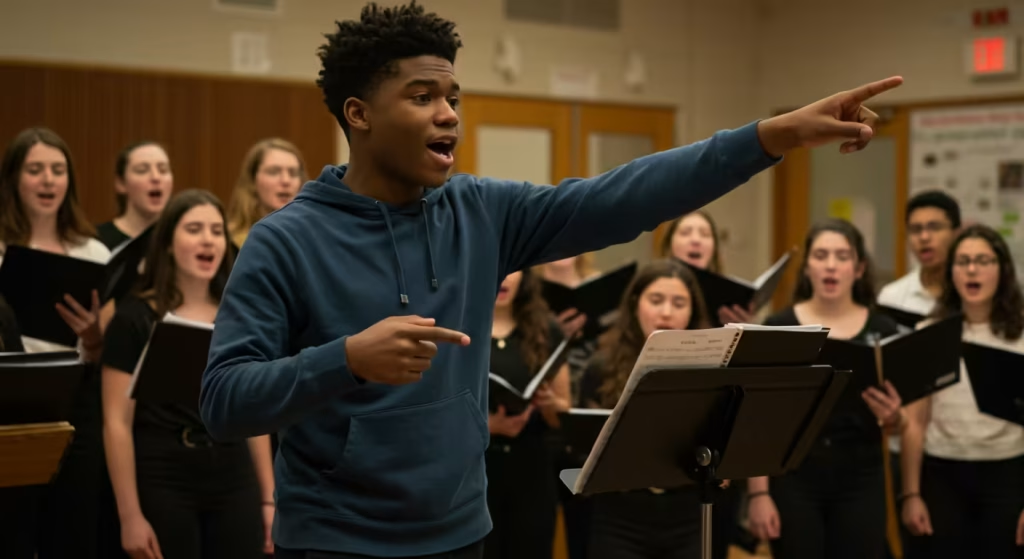
Adolescence brings unique challenges that voice training helps address effectively. Teen vocal coaching benefits include identity exploration, emotional regulation, and leadership skill development. This age group often struggles with self-doubt and peer pressure.
Identity formation becomes clearer through creative self-expression. Teenagers use singing to explore different aspects of their personality. They experiment with various musical styles and genres. This exploration helps them understand their preferences and values.
Peer pressure management improves through increased self-confidence. Students who take voice lessons develop stronger self-identity. They become less likely to make decisions based solely on others’ opinions. Voice training teaches them to trust their own judgment and abilities.
College and career preparation benefits are substantial for teen voice students. Many colleges value well-rounded applicants with artistic experience. Voice training develops discipline, time management, and goal-setting skills. These qualities impress admissions committees and future employers.
Emotional outlet during challenging years provides crucial mental health support. Adolescence involves intense emotions and hormonal changes. Singing offers a healthy way to process and express these feelings. Voice lessons create a supportive environment for emotional growth.
Building leadership skills happens naturally through performance opportunities. Teen students often mentor younger children in group settings. They learn to communicate effectively and inspire others. These leadership experiences build confidence and communication abilities.
Real-World Confidence Applications Beyond Singing
Public Speaking and Presentation Skills
Voice training directly improves communication abilities in academic and professional settings. Students learn breath control, vocal projection, and clear articulation. These skills make presentations more engaging and persuasive.
Classroom participation increases significantly after voice lesson training. Students feel more comfortable speaking up during discussions. They develop the vocal skills needed to be heard and understood. Teachers often notice improved engagement from previously quiet students.
Job interview preparation benefits include enhanced verbal communication skills. Voice training teaches proper pacing, tone modulation, and confident delivery. These skills help applicants make strong first impressions. Employers value candidates who communicate clearly and confidently.
Leadership opportunities become more accessible to voice-trained students. They volunteer for group presentations and speaking roles. Their improved communication skills make them natural leaders in team projects. This leadership experience builds additional confidence and skills.
Social Confidence and Relationship Building
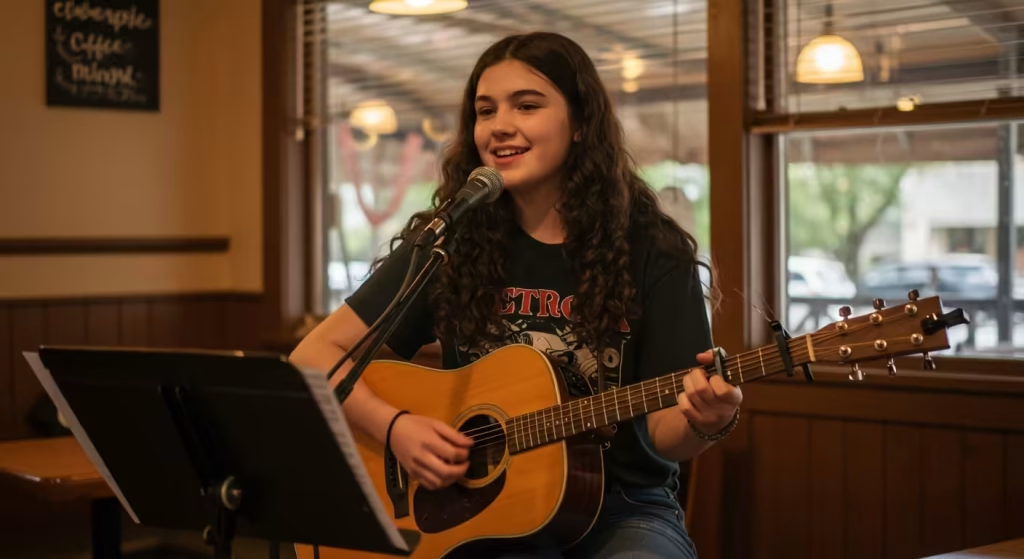
Making new friends becomes easier for children with voice training experience. Music programs create natural social connections with like-minded peers. Students bond over shared musical interests and experiences. These friendships often last throughout childhood and beyond.
Expressing emotions healthily improves through musical training. Voice lessons teach students to channel feelings into artistic expression. They learn to communicate emotions effectively without harmful behaviors. This emotional intelligence strengthens relationships with family and friends.
Standing up for themselves develops naturally through increased self-confidence. Voice training builds inner strength and self-advocacy skills. Students learn to assert their needs and boundaries respectfully. They become less likely to accept bullying or unfair treatment.
Building empathy through music happens as students explore different emotional expressions. Singing various songs helps them understand different perspectives and feelings. They develop compassion for others’ experiences. This emotional intelligence improves all their relationships.
Overcoming Common Fears and Barriers
“My Child Is Too Shy for Voice Lessons”

Working with introverted personalities requires specialized approaches that experienced voice teachers understand well. Shy children often possess exceptional listening skills and emotional depth. These qualities can become significant strengths in musical development.
Private lesson options provide comfortable learning environments for reserved students. One-on-one instruction eliminates peer judgment concerns. Students can make mistakes freely without embarrassment. This safe space encourages risk-taking and growth.
Gentle introduction techniques help shy children feel secure and supported. Teachers start with simple exercises and familiar songs. They build trust gradually through consistent encouragement. Progress happens at the child’s natural pace without pressure.
Success stories from shy students demonstrate remarkable transformations. Many introverted children become confident performers through voice training. They discover hidden talents and develop strong self-esteem. Parents often report dramatic improvements in overall confidence levels.
“What If My Child Can’t Carry a Tune?”
Everyone can learn to sing with proper instruction and practice. Pitch accuracy develops through ear training and vocal exercises. Many professional singers started with limited natural ability. Consistent practice and good teaching produce remarkable improvements.
Building skills step by step ensures steady progress without frustration. Voice teachers break complex concepts into manageable pieces. Students master each element before moving to advanced techniques. This systematic approach builds confidence through achievable goals.
Focus on progress, not perfection, creates a positive learning environment. Teachers celebrate small improvements and effort over natural talent. Students learn that growth matters more than immediate results. This mindset reduces performance anxiety and encourages continued effort.
Different learning styles require varied teaching approaches for optimal results. Some students learn better through visual aids and written music. Others prefer kinesthetic activities and movement-based learning. Experienced teachers adapt their methods to each student’s preferences.
Music Lessons in San Diego with K&M Music School
1 Expert Music Lessons
We offer Piano, Violin, Cello, Guitar, Ukulele, Saxophone, Bassoon, Harp, Voice, and Toddler group lessons for students of all ages and skill levels.
2 Why Choose Us?
- 🎶 Boosts focus and self-discipline
- 🎵 Strengthens cognitive skills
- 🎼 Enhances cultural understanding
- 🎤 Builds confidence through recitals
3 We Welcome Adults Too!
Addressing Cost and Time Concerns
Budget-friendly lesson options make voice training accessible to most families. Many teachers offer sliding scale pricing based on income. Community centers and schools often provide affordable group classes. Online lessons can reduce costs while maintaining quality instruction.
Online versus in-person benefits comparison:
Online Voice Lessons:
- Lower cost per session
- Flexible scheduling options
- No travel time required
- Access to specialized teachers worldwide
- Recorded sessions for practice review
In-Person Voice Lessons:
- Direct physical feedback and correction
- Better acoustic environment
- Stronger teacher-student connection
- Group interaction opportunities
- Traditional lesson structure
Time management for busy families requires planning and prioritization. Voice lessons typically last 30-60 minutes weekly. Practice sessions can be as short as 15 minutes daily. Many families find this commitment manageable with proper scheduling.
Long-term value versus short-term investment analysis shows significant returns. Voice training develops skills that benefit students throughout their lives. Communication abilities, confidence, and emotional intelligence provide lifelong advantages. These benefits far outweigh the initial financial investment.
Choosing the Right Voice Teacher and Program
What Makes a Great Voice Teacher for Young Students

Qualifications and experience with children are essential factors in teacher selection. Look for instructors with formal music education and child development training. Experienced teachers understand age-appropriate techniques and expectations. They know how to maintain student interest and motivation.
Teaching style and personality match significantly impact student success. Some children respond better to structured, formal approaches. Others thrive with creative, playful instruction methods. Meet potential teachers to assess compatibility with your child’s personality.
Patience and encouragement approach creates positive learning experiences. Great teachers celebrate effort over perfection. They provide constructive feedback without criticism. Students feel supported and motivated to continue improving.
Safety and proper technique focus protects young voices from damage. Qualified teachers understand vocal development stages. They teach healthy singing habits from the beginning. Proper technique prevents strain and injury while promoting growth.
Different Types of Voice Lesson Formats
Private one-on-one lessons offer personalized attention and customized instruction. Teachers can focus entirely on individual student needs. Progress often happens faster with dedicated attention. Shy students may feel more comfortable in private settings.
Small group classes provide social interaction while maintaining quality instruction. Students learn from observing others and sharing experiences. Group dynamics can motivate some children more than private lessons. Costs are typically lower than individual instruction.
Online voice lessons offer convenience and access to specialized teachers. Technology enables lessons from anywhere with internet connection. Many online platforms include recording capabilities for practice review. This format works well for self-motivated students.
Music school programs provide comprehensive musical education beyond voice training. Students learn music theory, ear training, and performance skills. They participate in recitals and ensemble opportunities. This environment immerses children in musical culture.
Community center options offer affordable group instruction in local settings. These programs often focus on fun and community building. While less intensive than private lessons, they provide good introductions to singing. Many children discover their love for music through these programs.
Red Flags to Avoid
Unrealistic promises should raise immediate concern about teacher credibility. No instructor can guarantee specific results or timelines. Reputable teachers discuss realistic expectations honestly. They focus on individual progress rather than dramatic claims.
Inappropriate song choices for age groups indicate poor judgment. Children should sing age-appropriate material that matches their developmental stage. Teachers should consider lyrical content and vocal demands carefully. Music selections should build confidence, not create discomfort.
Lack of proper vocal health education puts young voices at risk. Teachers must emphasize healthy singing habits consistently. Students should learn about vocal rest, hydration, and proper warm-ups. Ignoring these aspects can cause permanent vocal damage.
High-pressure performance expectations create anxiety rather than confidence. While recitals provide valuable experience, participation should never be forced. Teachers should prepare students gradually for performance opportunities. The focus should remain on learning and enjoyment.
Measuring Progress and Celebrating Success
Short-Term Confidence Milestones

First successful song completion provides tremendous satisfaction and motivation. Students feel proud when they master their first complete piece. This achievement demonstrates their ability to learn and accomplish goals. Teachers often use this milestone to assess technical progress.
Improved posture and breathing habits develop within the first few months. Students stand taller and breathe more deeply automatically. These physical changes boost confidence and energy levels. Family members often notice improved speaking voice quality.
Increased participation in class activities shows growing self-confidence. Previously quiet students begin volunteering answers and joining discussions. Voice training reduces fear of being heard or judged. This improvement often surprises teachers and parents.
Better communication at home indicates developing social confidence. Children express their needs and feelings more clearly. They engage in conversations with increased enthusiasm. Family relationships often improve as communication barriers decrease.
Long-Term Development Indicators
Academic improvement frequently accompanies voice training participation. Students develop better focus, memory, and problem-solving skills. Music education enhances brain development in multiple areas. Teachers report improved classroom behavior and attention spans.
Leadership roles become natural extensions of increased confidence levels. Voice students volunteer for group projects and presentations. They feel comfortable expressing opinions and guiding others. These leadership experiences create additional confidence-building opportunities.
Expanded social circles result from increased self-confidence and communication skills. Students make friends more easily and maintain relationships better. They participate in activities they previously avoided. Social anxiety decreases as confidence grows.
Career interest development often stems from voice training experiences. Some students pursue music-related careers professionally. Others apply communication skills to different fields. The confidence gained opens doors to various opportunities.
Getting Started: First Steps for Parents
Is Your Child Ready? Kids who love music or sing along may be ready for lessons. Kids who make up their own songs are also good candidates. Shy children or those who struggle to speak up can benefit a lot too.
Age-appropriate expectations vary based on developmental stages and individual maturity. Younger children focus on fun and basic skills. Teenagers can handle more advanced techniques and theory. Teachers should adjust expectations to match each student’s capabilities.
Initial conversations about music help gauge interest and enthusiasm levels. Ask children about their favorite songs and artists. Discuss what they hope to learn from voice lessons. Their responses guide decision-making about lesson format and teacher selection.
Trial lesson considerations allow families to assess fit before committing long-term. Many teachers offer introductory sessions at reduced rates. Use this opportunity to observe teaching style and student response. Both parent and child should feel comfortable with the arrangement.
Preparing for the First Voice Lesson
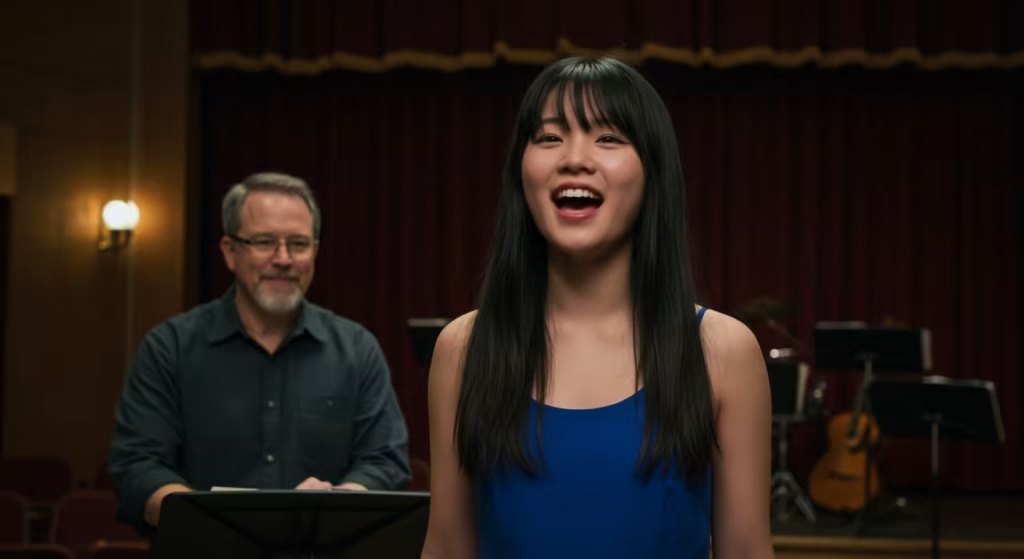
What to expect in initial sessions helps reduce anxiety for nervous students. First lessons typically include voice assessment, goal discussion, and basic exercises. Teachers establish rapport and create comfortable learning environments. Students shouldn’t expect to sing perfectly immediately.
Questions to ask potential teachers ensure good matches for family needs:
- What is your experience teaching children this age?
- How do you handle shy or nervous students?
- What are your policies regarding makeup lessons and practice expectations?
- How do you communicate progress to parents?
- What performance opportunities do you provide?
Setting realistic goals prevents disappointment and maintains motivation. Discuss both short-term and long-term objectives with the teacher. Focus on effort and improvement rather than comparison to others. Celebrate progress at every level of development.
Creating supportive home environments encourages continued growth and practice. Designate a quiet space for practice sessions. Provide necessary materials like music stands and recordings. Show interest in your child’s musical development without applying pressure.
Supporting Your Child’s Voice Lesson Journey
Practice Tips for Home
Creating practice schedules establishes routine and consistency for skill development. Most teachers recommend 15-30 minutes of daily practice for beginners. Older students may require longer sessions as skills advance. Consistent short practices work better than irregular long sessions.
Providing encouragement without pressure requires delicate balance from parents. Celebrate effort and improvement rather than perfect performance. Ask about lesson highlights and favorite songs regularly. Avoid comparing your child’s progress to other students.
Handling frustration and setbacks helps maintain long-term motivation and growth. All students experience challenging periods during their learning journey. Remind children that difficulties are normal parts of learning. Encourage persistence while acknowledging their feelings.
Celebrating progress appropriately reinforces positive learning experiences and motivation. Recognize achievements both big and small consistently. Consider special treats or activities for reaching milestones. Share accomplishments with extended family and friends when appropriate.
Performance Opportunities and Showcases
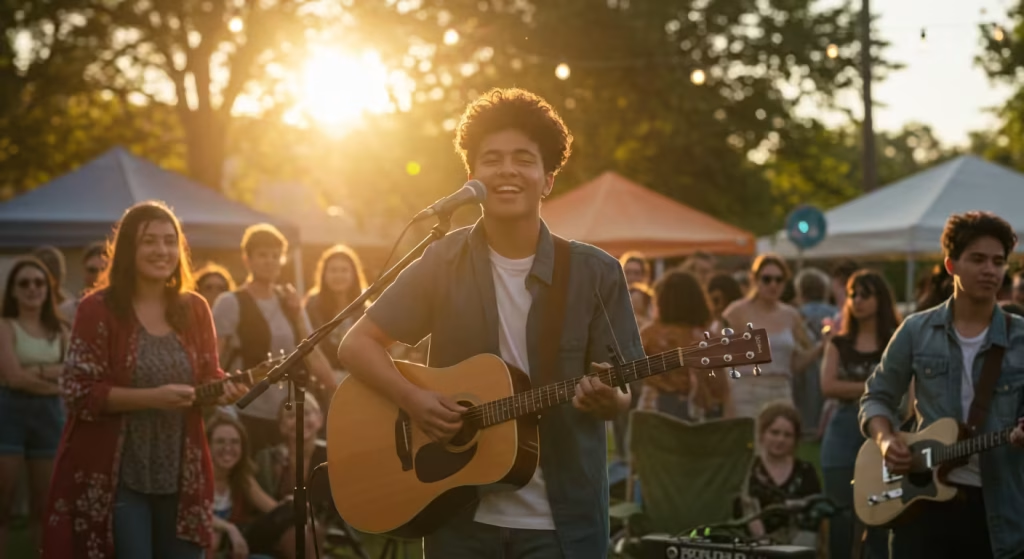
Benefits of recitals and competitions extend far beyond musical development alone. These events teach preparation, time management, and goal-setting skills. Students learn to handle pressure and perform under observation. Success in these settings builds tremendous confidence.
Managing performance anxiety requires preparation and supportive guidance from teachers and parents. Practice performing for family and friends before formal events. Teach relaxation techniques and positive self-talk strategies. Focus on enjoyment and sharing music rather than perfection.
Building audience confidence happens gradually through increasing performance exposure. Start with small, supportive audiences like family gatherings. Progress to studio recitals with other students and parents. Eventually, students may feel comfortable performing for larger groups.
Creating positive memories ensures continued enthusiasm for musical participation and growth. Focus on the experience rather than the outcome of performances. Celebrate participation and effort regardless of technical perfection. These positive associations encourage lifelong musical engagement.
Frequently Asked Questions
At what age should kids start voice lessons? Kids can start as early as 6. Most experts recommend ages 8–10 for formal lessons. For guidance by age, see When Should Kids Start Voice Lessons?
Younger kids can still explore music and rhythm activities.
How long before seeing confidence improvements? Most kids gain confidence in 2–3 months. Bigger changes usually show after 6 months. Confidence keeps growing with long-term lessons.
Are voice lessons worth it? Yes. They improve confidence, communication, and school performance. The benefits go far beyond music.
Can voice lessons help with school presentations? Absolutely! Voice training directly improves public speaking skills, breath control, and vocal projection. Students become more comfortable speaking in front of groups after voice instruction.
What if my child wants to quit? Temporary loss of interest is normal during musical education. Discuss concerns with the teacher to identify solutions. Consider changing teaching approaches or taking short breaks before making permanent decisions.
Conclusion
Voice lessons give kids and teens confidence that lasts a lifetime. They build self-esteem, improve communication, and grow emotional skills. Kids in lessons often do better in school, make friends easier, and become leaders.
Starting voice lessons means thinking about your child’s interests and readiness. Choose teachers who work well with kids and create a supportive space. Progress takes time, and every child learns at their own speed.
Voice lessons give more than music. They build confidence, communication, and creativity for life. Begin by finding a local teacher and trying a lesson. Your child’s confident voice is waiting to be discovered.
Ready to Boost Your Child’s Confidence?
Start your voice lesson today! Find a qualified voice teacher in your area and schedule a trial lesson. Watch your child discover their unique voice and build lifelong confidence through the power of music.
Take the first step: Contact a local music school or voice instructor this week. Your child’s confident future begins with a single song.
Katherine Dvoskin, Co-Founder of K&M Music School
She is the co-founder of K&M Music School in San Diego, is a passionate music educator with over 25 years of experience. She offers expert piano lessons in San Diego. At K&M Music School, we teach Piano, Violin, Cello, Saxophone, Bassoon, Harp, Voice, and Toddler group lessons. Katherine's blog shares insights on music education, covering topics from toddler music group lessons to adult music lessons. Whether you're seeking private music lessons or group music lessons for toddlers near you, welcome to K&M Music School.