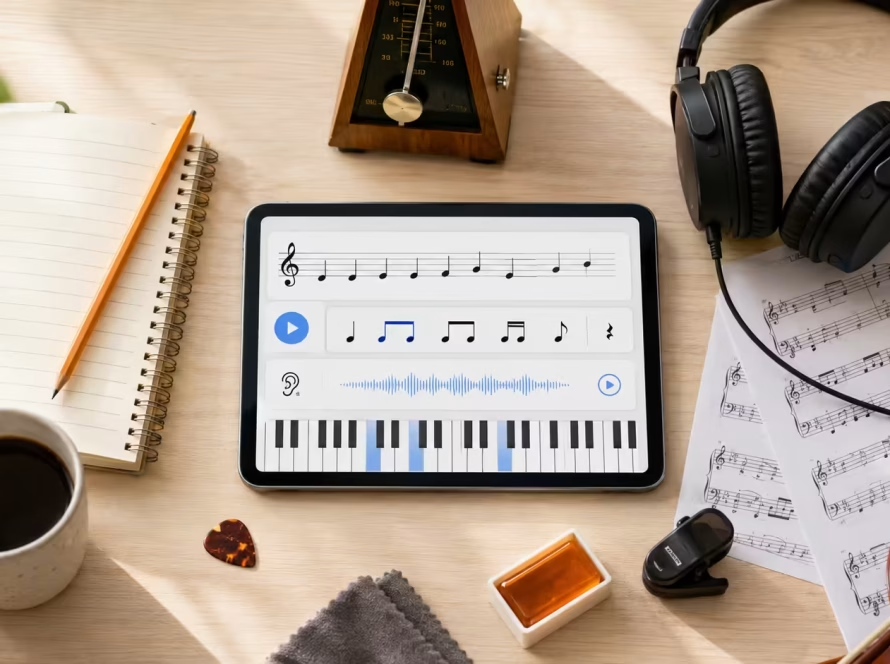
Short answer: Most very young beginners (ages 4–5) do best with 20–30 minutes. Many children (ages 6–12) do well with 30 minutes. Teens and adults usually need 45–60 minutes, and advanced students often need a full 60 minutes. The best lesson is long enough to teach well, but short enough to keep energy and focus high.

Quick Answer: How Long Should a Music Lesson Be?
If you've ever asked how long a music lesson should be, you're not alone. Parents, teen students, and adult beginners ask it constantly. Here is the short, age-by-age answer.
| Student | Recommended Lesson Length |
|---|---|
| Ages 4–5 | 20–30 minutes |
| Ages 6–8 | 30 minutes |
| Ages 9–12 | 30–45 minutes |
| Ages 13–17 | 45–60 minutes |
| Adults | 45–60 minutes |
| Advanced students | Often 60 minutes |
These are strong starting points, not strict rules. The right length depends on the student's age, focus, practice habits, and goals. When in doubt, start with the shorter option — it's far easier to add lesson time later than to fix burnout early.
Why Music Lesson Length Matters
Lesson length matters because students need enough time to learn, but not so much that they lose focus. In music, attention, repetition, feedback, and clear goals matter far more than simply staying in the room longer.
A good teacher can teach a lot in a short lesson. A short, focused lesson is often clearer than a long lesson stuffed with too much information. The best lesson isn't the longest one — it's the lesson that helps the student keep improving at home.

For young children, a shorter lesson protects focus — and focus is what makes practice stick.
The three things lesson length protects
- Focus. Young children have shorter attention spans, and beginners tire faster because everything feels new. Adults usually focus longer, but busy adults may still prefer a shorter session.
- Depth. Longer lessons leave room for warm-up, review, new material, and questions. Shorter lessons work best when the weekly goal is narrow and clear.
- Value. Families want lesson time to feel useful, and students want to leave with a clear next step. The right length protects motivation on both sides.
Music Lesson Length by Age
Ages 4 to 5
For very young beginners, 20 to 30 minutes is usually the sweet spot. At this age, children need movement, variety, and a pace that changes often. A long lesson feels heavy even when the child loves music. Readiness depends on more than age — body development and the ability to focus for about half an hour both matter.
Ages 6 to 8
For most children in this group, 30-minute lessons are an ideal starting point. Kids can handle a bit more structure now, but the lesson should still stay active and clear. Some children with stronger focus may be ready for 45 minutes — but 30 is the safe default.
Ages 9 to 12
This is the bridge stage. A student may still do well with 30 minutes, but many start to benefit from 30 to 45-minute lessons. There's more room for scales, technique, review, and questions. If the teacher is constantly cutting something for time, that's a clear signal a longer lesson would help.
Ages 13 to 17
Teens usually do well with 45 to 60 minutes. They have better stamina and can handle more detail — technique work, tone, rhythm correction, phrasing, theory, and performance prep. Forty-five minutes is a strong choice for most teens; 60 minutes is better for advanced work, learning several pieces, and audition or exam prep.
Adults
Adults often do best with 45 to 60 minutes, even as beginners. Adults ask more "why" questions and want explanation, context, and time to apply feedback during the lesson. That said, adults don't always need a longer lesson — the right choice fits their schedule, energy, and goals.
30 vs 45 vs 60 Minutes: The Real Differences
This is the most common question online. Here's what actually changes between the three options.
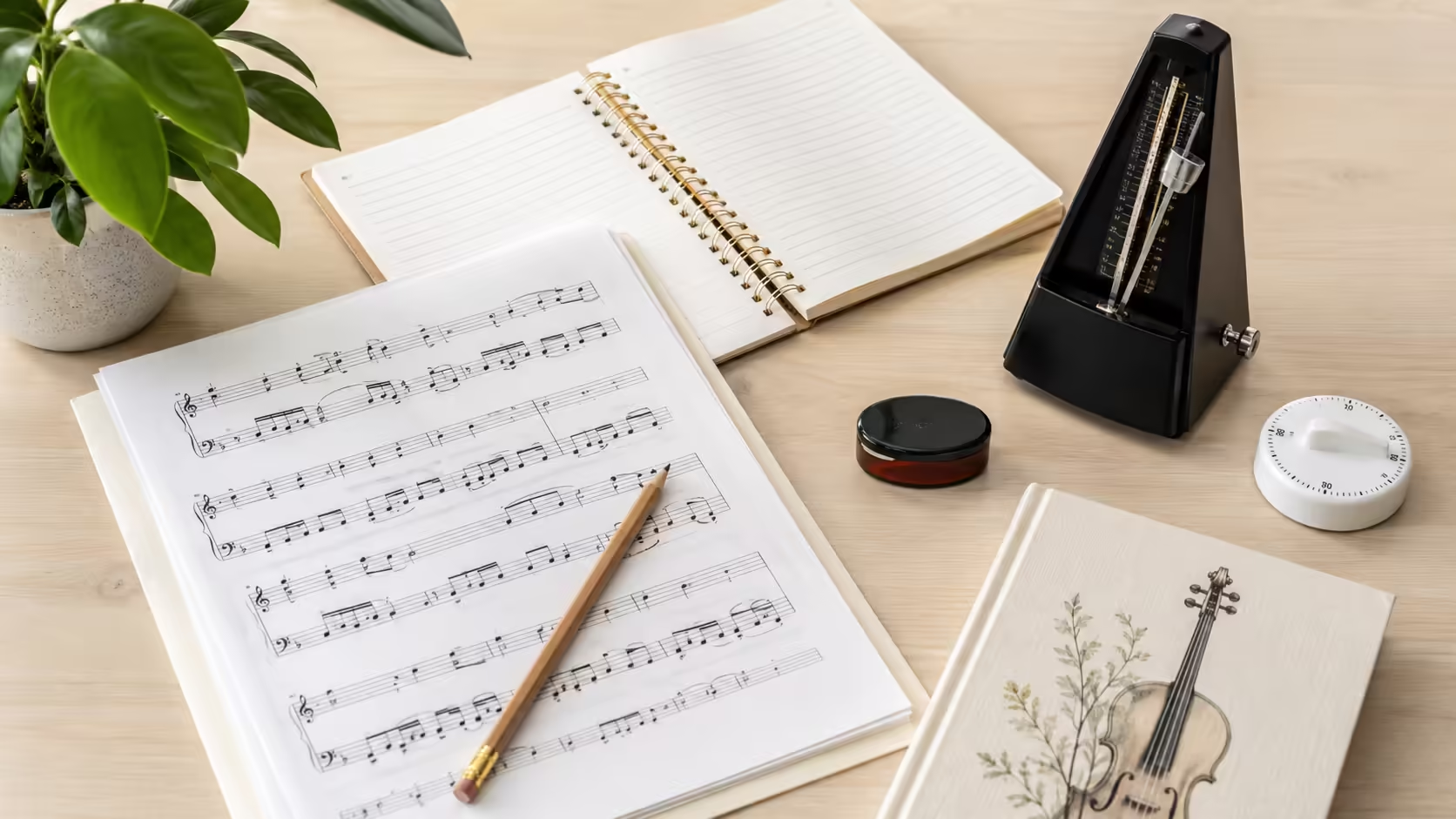
Each lesson length suits a different stage — the trick is matching it to the student, not the calendar.
30-minute lessons
A 30-minute lesson works best when the weekly job is small and clear. It fits a short warm-up, a review of last week, one new skill or concept, and a home practice assignment. Best for: young beginners, children with shorter attention spans, and adult hobby learners with limited time. Main benefit: it stays focused and simple. Main risk: it can feel rushed for students with many pieces, many questions, or higher goals.
45-minute lessons
A 45-minute lesson is the middle ground — long enough to go deeper, short enough to stay sharp. It fits warm-up, technique, review, new material, time to try the correction during the lesson, and a clear home plan. Best for: older children, teens, adult beginners, and intermediate students. Main benefit: there's room for both teaching and application. Main risk: if the student isn't focused, the extra time drifts.
60-minute lessons
A 60-minute lesson earns its keep only when there's enough material, focus, and follow-through to fill the hour well. It fits warm-up, technique and tone work, scales or ear training, several pieces, deeper musical detail, and performance prep. Best for: advanced students, teens preparing for auditions or exams, and serious adult learners. Main risk: if the student comes unprepared or tires easily, the last 15 minutes lose value.
| Length | Best For | Watch Out For |
|---|---|---|
| 30 minutes | Young beginners, casual learners, simple weekly goals | Feels rushed for fast learners or serious students |
| 45 minutes | Older kids, teens, adults, intermediate students | Can drift if the student is tired or unprepared |
| 60 minutes | Advanced students, recital prep, multiple pieces | Too long for young or low-focus students |
Lesson Length by Instrument
The instrument shifts the answer a little, though the age-based guide still holds.
Piano
Young beginners do well with 20 to 30 minutes. Children ages 8 to 12 often need 30 to 45 minutes, since piano lessons combine note reading, rhythm, hand coordination, scales, pieces, and theory. Teens and adults usually move to 45 to 60 minutes for technique, phrasing, pedaling, and harmony. Our piano lessons follow this same age-based progression.
Guitar
Young guitar students do well with 30 minutes. Older students and adults benefit from 45 minutes. Serious players move to 60 minutes when working on repertoire, improvisation, technique, and rhythm reading.
Violin
Young violin students often start with 20 to 30 minutes — violin asks for fine motor control, posture, intonation, bow use, and careful listening, which is a lot for a new student. As they grow, 45-minute lessons give more room for setup, tone work, and slow correction.
Voice
Voice students often do well with 45 minutes once past the earliest beginner stage, which leaves time for warm-ups, breath work, technique, and song coaching. Younger singers may start with 30 minutes.
Best Music Lesson Length for Beginners
Beginners face a flood of new information at once — posture, hand shape, rhythm, tone, instrument setup, note reading, and listening. That's exactly why shorter lessons work so well at the start.
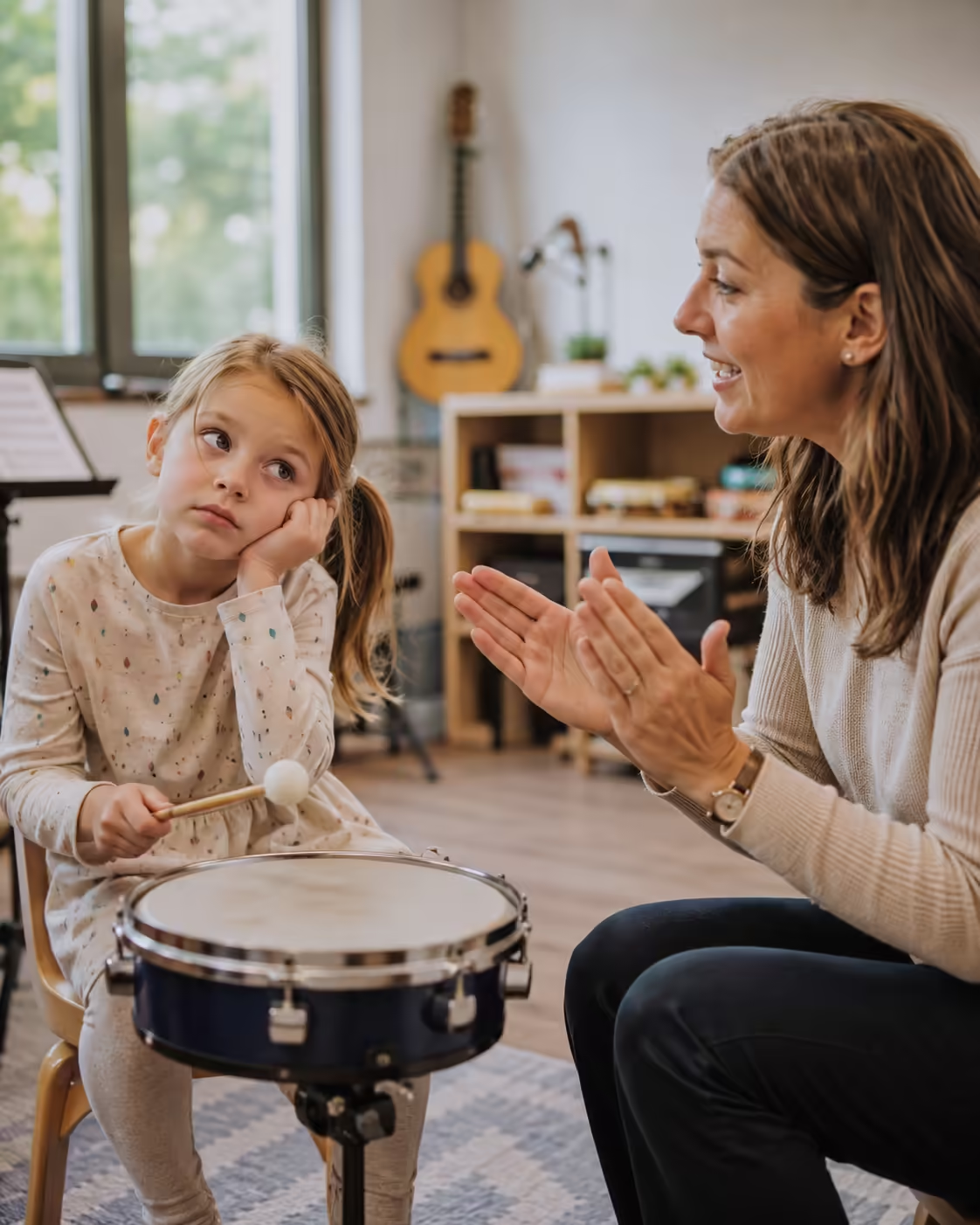
A short lesson keeps a new student successful — and success is what makes them want to come back.
Still, "beginner" doesn't always mean "young child." An adult beginner often needs more time than a child beginner, even though both are new. Adults want more explanation and more time to connect the dots, which is why many adult beginners feel more comfortable with 45 minutes.
| Beginner Type | Recommended Length | Why |
|---|---|---|
| Children 4–7 | 20–30 minutes | Shorter focus span, needs variety |
| Children 8–12 | 30 minutes | Enough for basics without overload |
| Teen beginners | 45 minutes | Can focus longer, ask more questions |
| Adult beginners | 45 minutes | Needs explanation, context, time to apply |
Lesson Frequency vs Lesson Length
Many families assume one longer lesson is always better than two shorter ones. That's not always true. For brand-new students — especially younger children — lesson frequency can matter more than lesson length.
Two 30-minute lessons each week give students more support, build habits faster, and reduce frustration at home. Short lessons more often can beat one long lesson when focus is limited.
One longer lesson per week works if
- The student is older
- Travel time is a real factor
- The student practices well at home
- There's a lot of material to cover
Two shorter lessons per week works if
- The student is very new
- The student forgets quickly
- Focus fades in long lessons
- The teacher is building practice habits
Does a Longer Lesson Mean Faster Progress?
Sometimes yes. Often no. A longer lesson helps only if the student can use the time well — meaning strong focus, enough stamina, clear goals, and regular home practice.
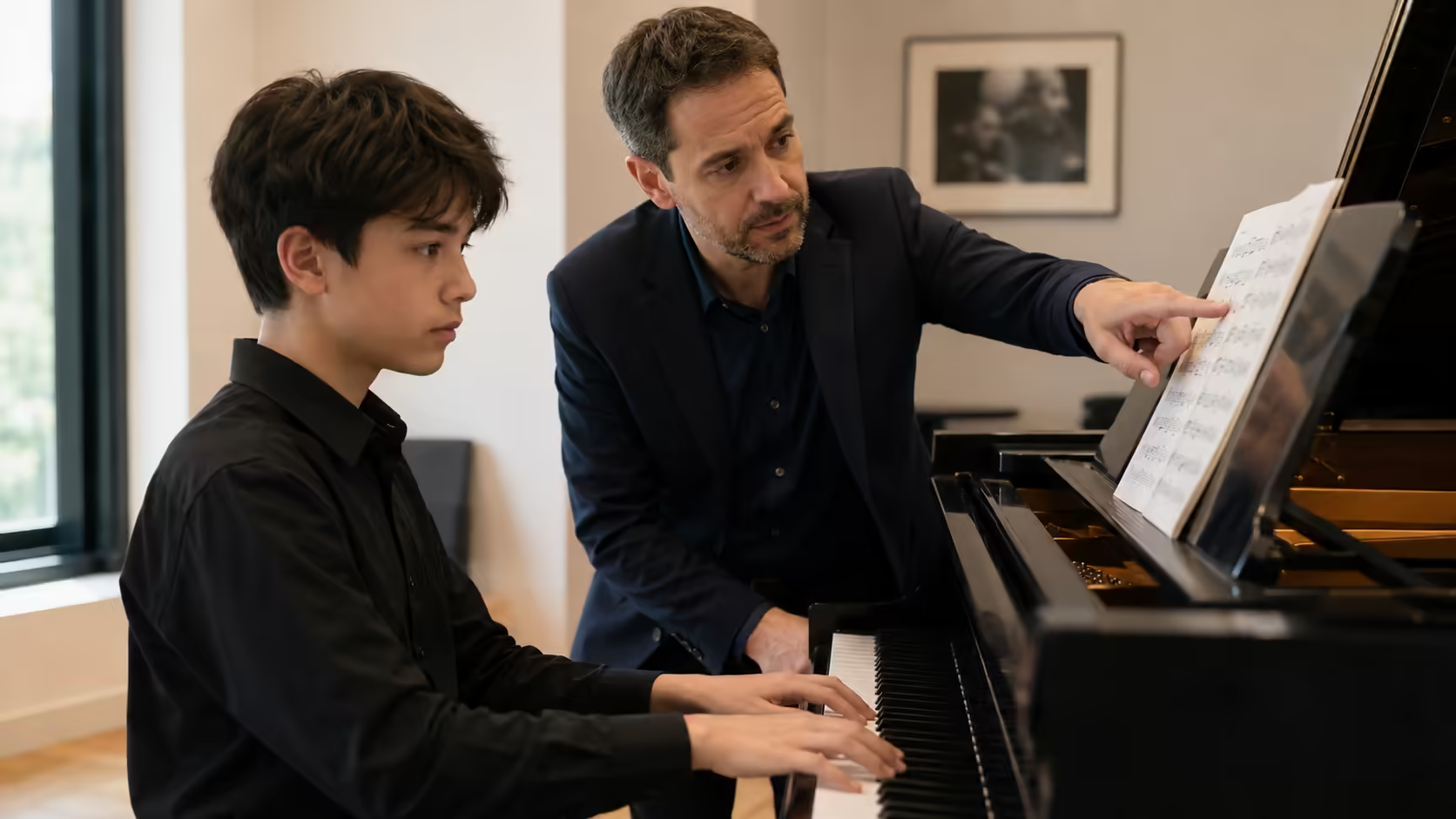
A full hour rewards an advanced, prepared student — and frustrates an unprepared one.
More lesson time without preparation often just means more supervised practice — useful, but not the same as faster growth. The real job of a lesson is to change what happens after the student goes home, not to cram in more information during the hour.
When to Move From 30 Minutes to 45 or 60
Students grow, and lesson plans should grow with them. Here's how to tell when it's time — and when it's too soon.
Signs it's time to move up
- 30 minutes feels rushed every week
- The student is working on multiple pieces
- The student stays focused easily to the end
- Home practice happens most days
- Exams, recitals, or auditions are coming
Signs it's too soon
- Home practice is weak or inconsistent
- The student fades halfway through
- One piece already feels like a lot
- The student leaves mentally drained
Stay flexible. Lesson length isn't a permanent decision — it should change over time as the student grows and improves.
Signs the Lesson Length Is Wrong
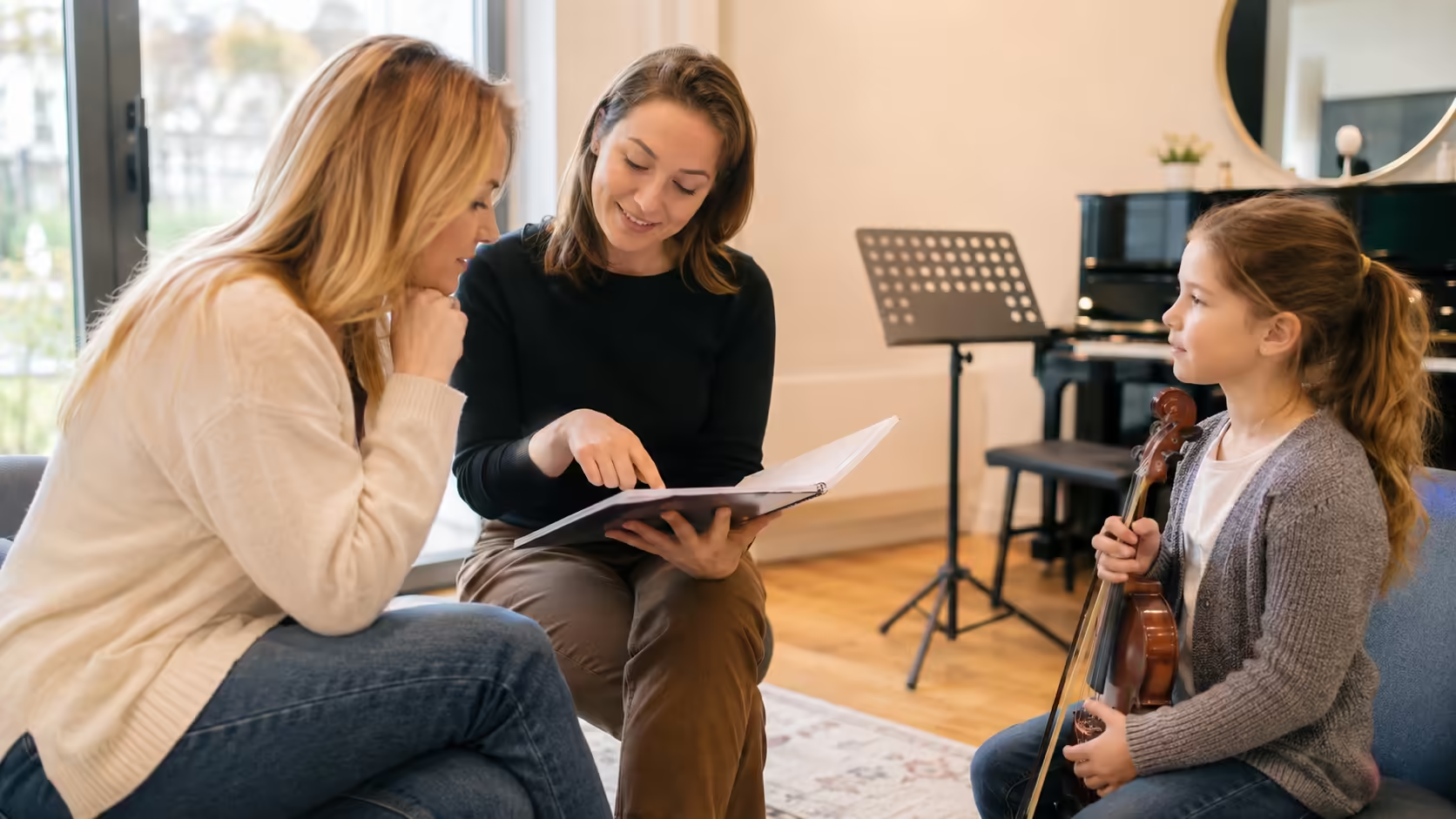
If something feels off, a quick conversation with the teacher usually sorts out the right length fast.
The lesson may be too short if
There's no time for review, the student leaves confused, the teacher rushes every section, or there's never time for questions.
The lesson may be too long if
Focus drops near the end, the student looks mentally tired, the teacher repeats too much, or the final minutes feel empty.
The length is right if
The student stays alert, the lesson has a calm pace, there's time for review and new work, and the student leaves with one clear plan for the week.
Book a free trial lesson. A teacher will see how your student focuses, learns, and responds — then recommend the lesson length that actually fits, not just the one that matches their age.
Book a Free Trial Lesson100% free trial • No credit card required
Frequently Asked Questions
How long should a music lesson be for a 5-year-old?
Usually 20 to 30 minutes. That length fits the focus and energy level of most young beginners. A shorter lesson keeps the child successful and makes weekly practice feel manageable rather than overwhelming.
How long should piano lessons be for beginners?
Most child beginners do well with 30-minute piano lessons. Teen and adult beginners often benefit from 45 minutes because they want more explanation and time to ask questions and apply feedback during the lesson.
Are 30-minute music lessons enough?
Yes, for many beginners and children. A 30-minute lesson is often the best starting point, not a weak option. It protects focus, keeps the lesson clear, and makes weekly home practice more doable.
Are 60-minute music lessons too long?
They can be too long for young students or learners with limited focus. They work well for advanced students, teens preparing for auditions or exams, and serious adult learners who study several pieces at once.
How often should music lessons happen?
Once a week is the most common choice. Some brand-new students — especially young children — do better with two shorter lessons per week, which builds habits faster and reduces frustration at home.
Is a longer music lesson always better?
No. A longer lesson only helps if the student has the focus, stamina, goals, and home practice to use the time well. The right fit matters more than more minutes — a focused 30-minute lesson can beat a drifting 60-minute one.
When should a student move from 30-minute to 45-minute lessons?
Move up when 30 minutes feels rushed every week, the student is working on multiple pieces, focus holds easily to the end, and home practice is steady. Stay at 30 minutes if practice is weak or the student fades halfway through.
Why do many adult beginners prefer 45-minute lessons?
Adults usually ask more "why" questions and want explanation, context, and time to try corrections during the lesson. A 45-minute lesson gives room for that without the schedule strain of a full hour.