
What Makes Piano Lessons Effective for Kids and Adults

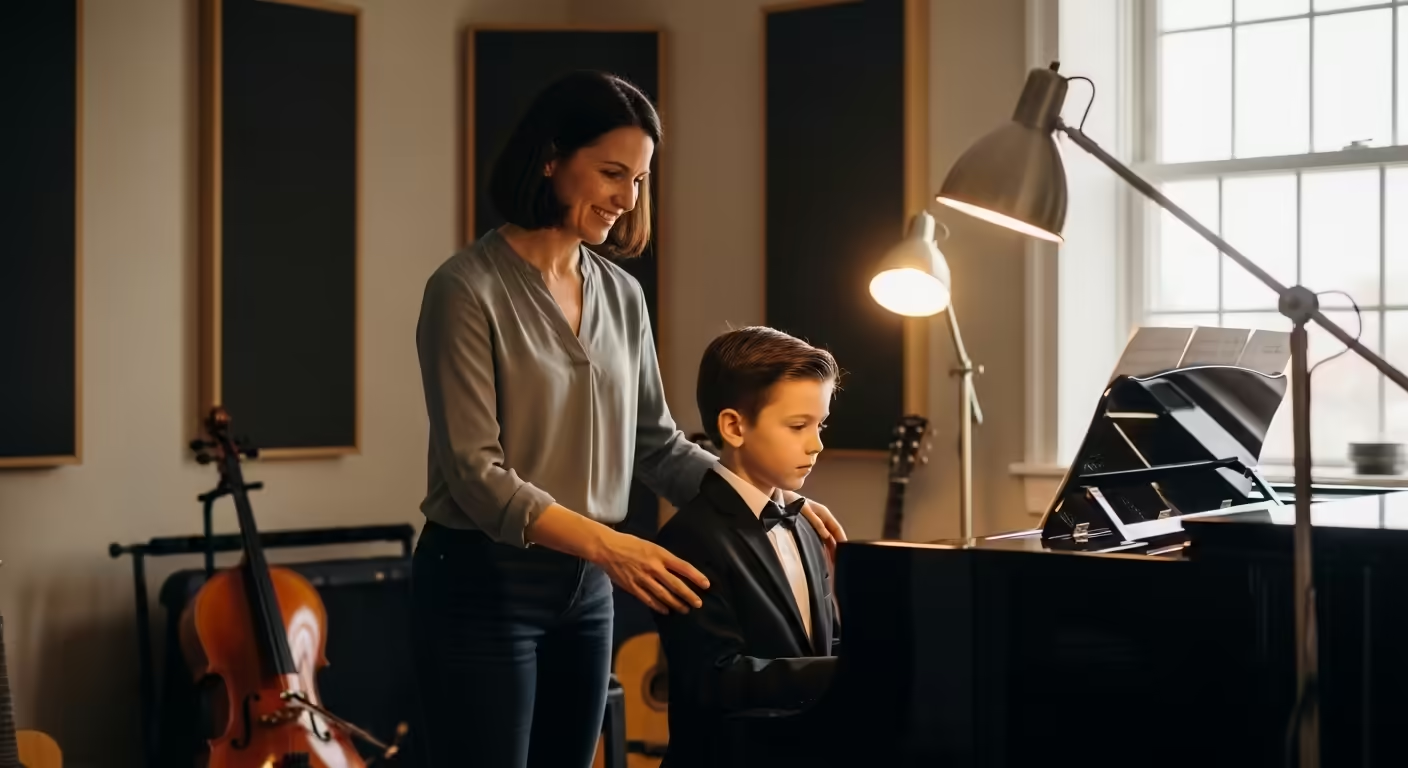
Effective piano lessons are more than showing up once a week. They need a good teacher, a clear plan, and regular practice at home. Many students quit because one of these parts is missing.
If you know what makes lessons work, you can choose a better teacher and get better results. This guide explains the key ingredients for success for both kids and adults, and how the right teaching style turns lessons into real progress.

Table of Contents
The Core Elements That Make Piano Lessons Effective
📌 At a Glance
- Structured Curriculum: Skills should build step-by-step, not randomly.
- Consistent Practice: 30 focused minutes beats 2 distracted hours.
- Clear Goals: Milestones keep students motivated.
Good piano lessons usually have the same basics, no matter the student's age. These basics create real progress over time.
Structured Curriculum with Clear Progression
Effective piano lessons build skills step by step. You do not jump around randomly. Instead, each new skill connects to the last one. Good lessons have clear milestones, like finishing a book or mastering a scale. These wins show progress and keep you motivated.
Daily Practice Matters
Lessons show you what to practice, but practice is where learning happens. One weekly lesson is not enough. Focused practice matters more than long practice. Good practice means going slow, repeating hard spots, and using hands separately.
What Makes Lessons Effective for Kids
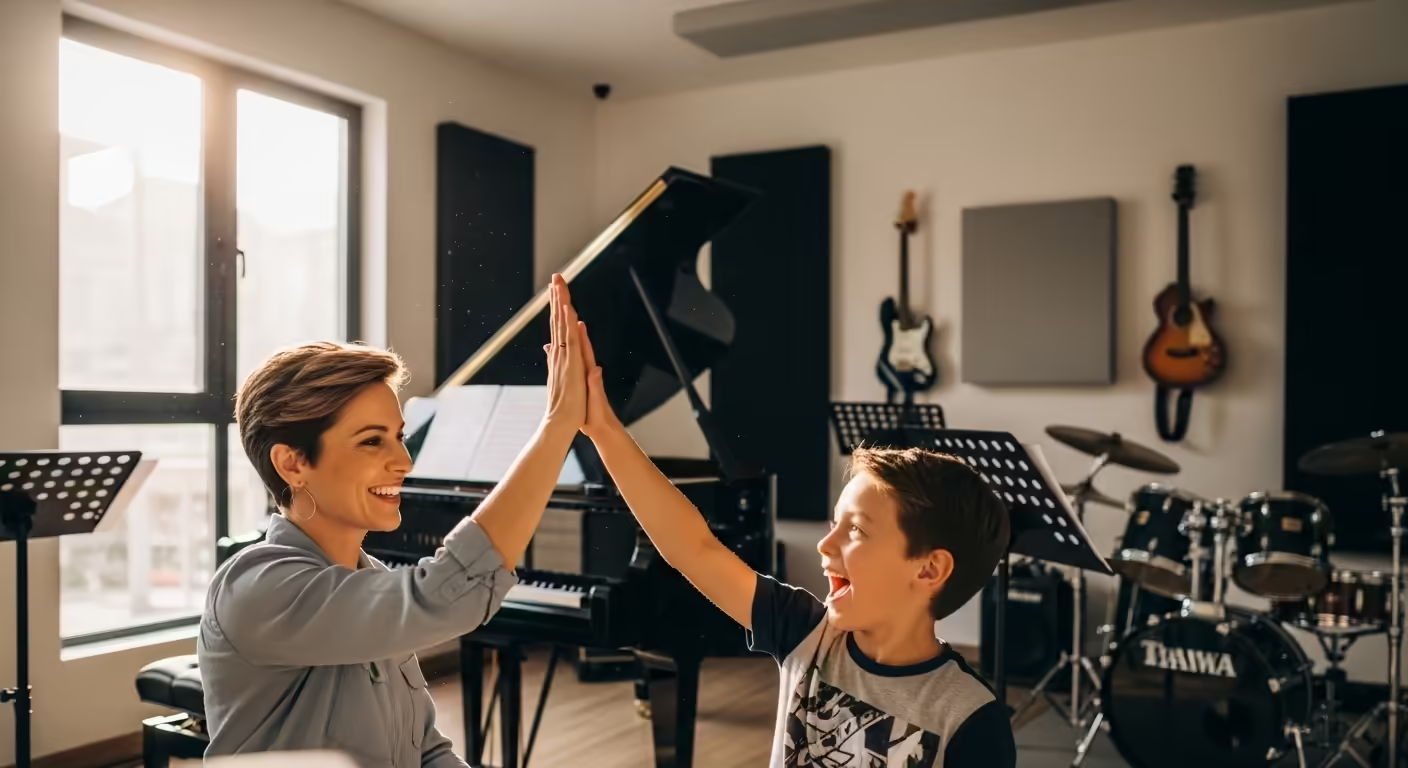
Kids and adults learn piano in different ways. Young kids need short, fun activities. Ages 4–6 learn best through games and movement. Toddler music lessons often focus on rhythm before note reading.
- Fun builds skills: Rhythm games teach timing without feeling like work.
- Parent support: Kids under 10 need parents to help with practice reminders.
- Short sessions: 15 minutes of focus is better than a forced hour.
What Makes Lessons Effective for Adults
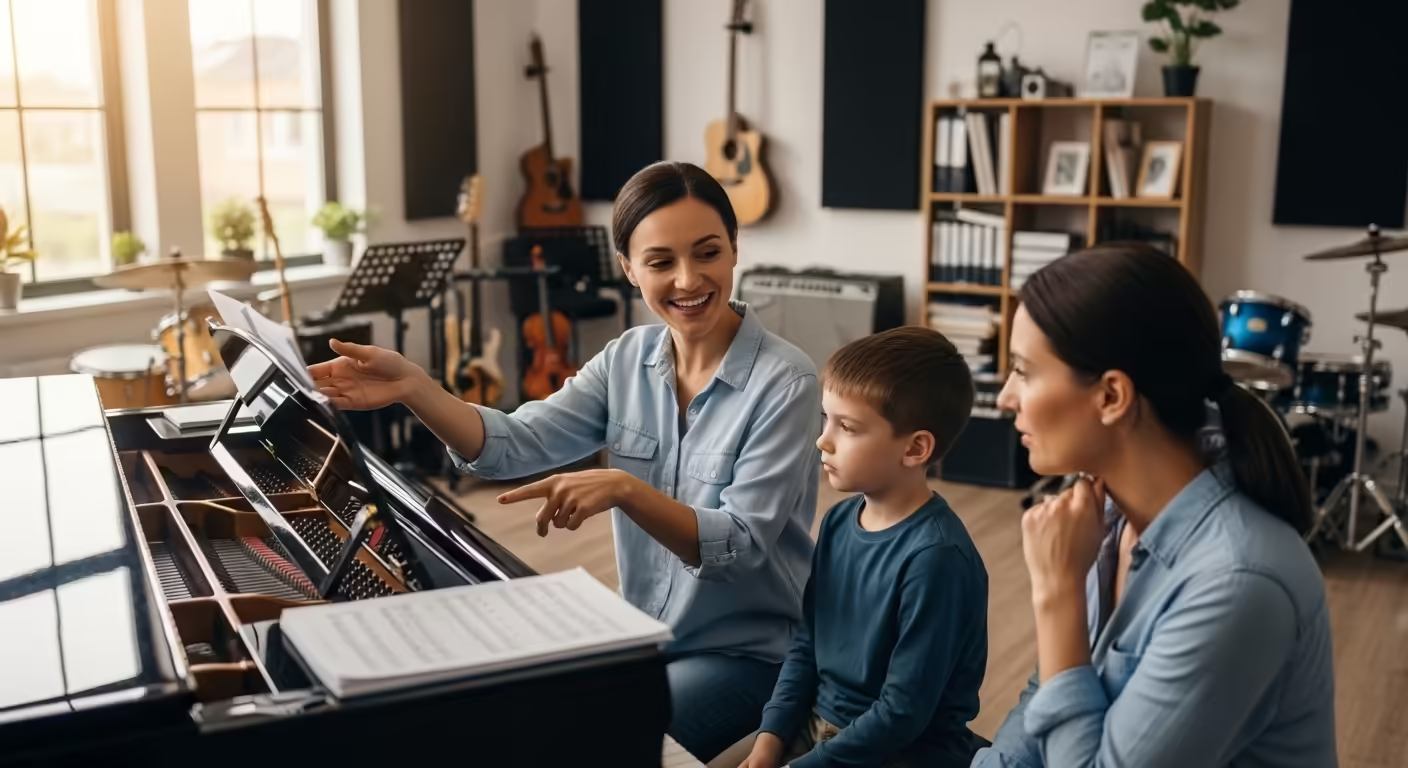
Adults often have strong motivation and clear goals. They understand theory concepts faster than children. However, adults may have stiff hands or less free time. Good teachers adjust technique and pace to fit your life.
Adults learn best with clear goals. You want to know "why" an exercise matters. Explanations help you practice more effectively. If you want to play jazz, a good teacher won't force months of only classical books.
Practice Strategies That Work
For Kids (Ages 7-10)
20-30 minutes daily. Parents should sit nearby to encourage focus. Use stickers or charts to track consistency.
For Adults
30 minutes daily. Or two 15-minute sessions (morning/evening) for busy schedules. Focus on difficult sections, not just playing through.
Use Tools: A metronome is non-negotiable for steady rhythm. Recording yourself reveals mistakes you don't hear while playing.
Common Mistakes That Slow Progress

- Missing lessons often: Cancellations break momentum. Bad habits form during long gaps.
- Not practicing: One weekly lesson isn't enough. Daily contact with the piano is required.
- Wrong teacher match: If you feel frustrated after most lessons, the match may be wrong. Contact us to find a teacher who fits your learning style.
Frequently Asked Questions
How long until I see results?
Are private lessons better than group lessons?
What if a child won't practice?
Do I need a real piano?
Conclusion: Start the Right Way
Effective piano lessons have the same core parts: a qualified teacher, a clear plan, and consistent practice. Whether for a child or an adult, the right approach makes all the difference.
Good piano lessons pay off for years. You build confidence, discipline, and a skill that lasts a lifetime. Don't wait for the "perfect" time.
Katherine Dvoskin, Co-Founder of K&M Music School
Katherine Dvoskin, Co-Founder of K&M Music School in San Diego, is a passionate music educator with over 25 years of experience. She offers expert piano lessons in San Diego. At K&M Music School, we teach Piano, Violin, Cello, Saxophone, Bassoon, Harp, Voice, and Toddler group lessons. Katherine's blog shares insights on music education, covering topics from toddler music group lessons to adult music lessons. Whether you're seeking private music lessons or group music lessons for toddlers near you, welcome to K&M Music School.

