San Diego Guitar Lessons: Find Your Ideal Instructor Fast

Katherine Dvoskin, Co-Founder of K&M Music School
I hope you enjoy this blog post! If you're interested in scheduling a free trial lesson, just click.
Author: Katherine Dvoskin | Co-Founder of K&M Music School
Published January 8th, 2025
Find the best guitar teacher for you in San Diego. This guide explains what to look for. It covers compatibility, qualifications, and teaching styles. It also gives practice tips and lists top local teachers.
This guide will help you choose the best guitar teacher. It explains what to look for so you can improve faster.

Ready to Learn Guitar or Ukulele?
At K&M Music School, we offer expert lessons for all ages. Our dedicated instructors create personalized plans to help you succeed.
Schedule Your Free Trial Lesson| Guitar Learning Journey | Instructor Qualities | Student Success Strategies |
|---|---|---|
| Personalized skill development | 3-5+ years teaching experience | Consistent 30-minute daily practice |
| Tailored musical style focus | Performance background expertise | Goal-oriented learning approach |
| Genre-specific techniques | Adaptable teaching methodology | Regular progress tracking |
| Flexible lesson scheduling | Age-appropriate instruction | Motivation and confidence building |
| Home or studio lesson options | Music theory foundation | Targeted skill improvement |
| Skill level progression tracking | Background-checked professionals | Supplemental exercise integration |
Overview of Guitar Lessons in San Diego
San Diego has many great guitar teachers and programs. There are private lessons and group classes at music schools. Students of all ages and skill levels can learn. You can play for fun or work toward becoming an expert.
There are many good guitar teachers, but you need to find the right one for you. The best teacher matches your music interests, learning style, and budget. They teach you the skills you need in a way that keeps you excited to practice.
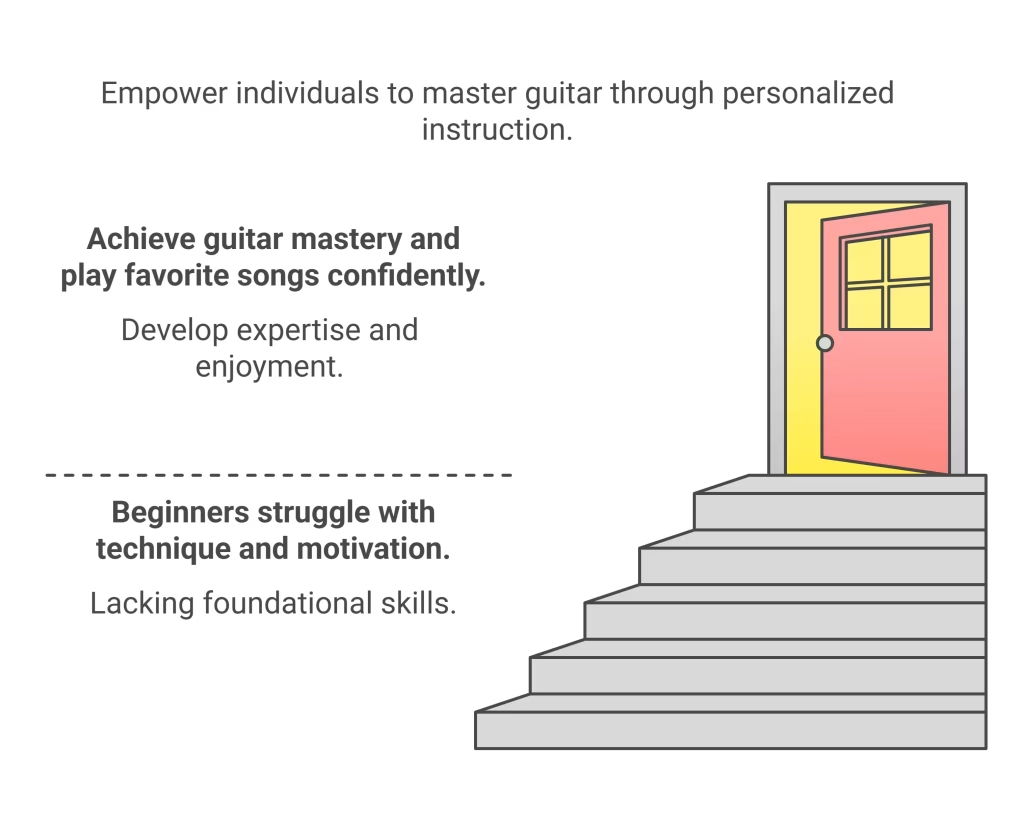
Benefits of Learning from the Right Guitar Instructor
Pick a teacher with a schedule that works for you. This helps you go to lessons regularly. Also, find one who can reschedule if needed. Ask how far they are willing to travel to teach.
An experienced instructor helps you:
- Learn proper technique from the start
- Receive feedback to correct mistakes early on
- Develop the musical theory foundation needed for guitar mastery
- Stay motivated through personalized lesson plans
- Explore your preferred musical genres and guitar styles
- Prepare for the rewarding feeling of playing your favorite songs
- Troubleshoot plateau periods with specialized learning strategies
- Select appropriate guitars and gear to match your goals
The right teacher makes learning fun and helps you feel comfortable asking questions. They also help you believe in yourself. This way, you avoid frustration and save time and money.
What to Look for in an Ideal Guitar Instructor
San Diego has many qualified guitar teachers. Choosing the right one depends on a few key things. Think about your music interests, their teaching style, and their qualifications. Also, see if their schedule and location work for you.
Assessing Instructor Qualifications
Teaching skills are more important than fancy titles. However, some qualifications show they have a strong foundation.
Musical Performance Experience
A good teacher should have real-world experience, like performing, recording, or writing songs. This helps them give you practical advice, not just textbook lessons.
- Ask if they’ve played in bands, recorded albums, or gone on tours. You can also ask if they’ve written songs. This helps you see how much experience they have.
- Playing local shows is a helpful experience. It allows teachers to share tips on stage fright, using guitar effects, and more.

Music Lessons in San Diego with K&M Music School
1 Expert Music Lessons
We offer Piano, Violin, Cello, Guitar, Ukulele, Saxophone, Bassoon, Harp, Voice, and Toddler group lessons for students of all ages and skill levels.
2 Why Choose Us?
- 🎶 Boosts focus and self-discipline
- 🎵 Strengthens cognitive skills
- 🎼 Enhances cultural understanding
- 🎤 Builds confidence through recitals
3 We Welcome Adults Too!
Years of Teaching or Music Tutoring
Look for teachers with at least 3-5 years of guitar teaching experience. Teachers with 10 or more years understand different learning styles and skill levels. Recent music graduates can also be great because they are enthusiastic and relatable.
- Beware very new instructors still refining teaching methodologies through trial-and-error
- Long-term instructors integrate proven techniques into customized lesson plans
Music Education Qualifications
Good teacher training shows they know how to teach well. It means they understand methods, learning steps, and how to plan lessons.
- Formal training includes degrees or special certifications. Examples are Guitar Institute of Technology Graduate or Certified Guitar Instructor. These show that the teacher has expert training.
- Continuing education shows dedication to advancing teaching practices
Background Screening Best Practices
For private lessons at home, make sure teachers have background checks. This is important, especially for young students. Good studios usually check references and do screenings before hiring teachers.
Evaluating Teaching Philosophy and Style
A teacher’s style should match how you like to learn. This keeps you motivated instead of feeling forced. When lessons feel natural, you stick with them longer.
Teaching Philosophy Overview
A teacher’s philosophy guides learning priorities and strategies. Determine if the approach aligns with your needs by asking:
- What is your teaching philosophy?
- What do you believe makes an ideal guitar student?
- How do you balance teaching techniques, theory, and songs?
Ideally, they emphasize customization based on connecting with student goals over a rigid curriculum. They should prioritize motivation, engagement, and incremental success milestones.
Teaching Format Preferences
Assess which format best suits your learning needs and style. Common options include:
- Private Lessons – One-on-one tailored attention from the instructor
- Group Lessons – More cost-effective for basic skill-building
- Music School Classes – Group lessons focused on specific styles
- Online Lessons – Flexible but less personal guidance
Instructor Energy Level & Patience
Decide if you need a teacher who encourages you or one who is more direct. Also, check if they are patient and give you enough time to learn. This helps you avoid getting frustrated.
Adults need patient teachers who can answer lots of questions about music theory. Kids and teens often need fun, high-energy teachers. These teachers make lessons exciting with songs and games.
Customized Feedback & Practice Tips
A good teacher watches your progress closely. They should give you specific tips and corrections. They also assign extra exercises and practice ideas that fit your skill level and needs.
Ask for sample lesson recap notes they provide students highlighting takeaways.
Musical Interests & Goals Alignment
Your guitar teacher should know the music styles you like. They should also teach techniques that match your learning goals. This helps you learn faster and enjoy the lessons.
Styles & Techniques Specialties
Are you a heavy metal fan keen to play high-speed guitar solos? Or perhaps a budding folk singer-songwriter focused on rhythm and fingerstyle techniques?
A good teacher can come to your home if traveling is hard for you. They should also adjust if your schedule changes because of work.
- Blues – Improvisation, bending strings, sliding, fingerstyle
- Classical – Reading notation, arpeggios, advanced chord voicings
- Country – Hybrid picking, chicken picking, pedal steel emulation
- Funk & Soul – Syncopated rhythms, chord embellishments, chord solos
- Jazz – Complex chords, chord melodies, comping, chord substitutions
Music Theory Priorities
Find out what music theory the teacher focuses on for your favorite style. Blues and rock players often practice pentatonic scales. Classical players focus more on reading notes and chord charts.
Skill Level Specialties
Ask if the teacher works with beginners, intermediate, or advanced students. Beginners need more focus on basic techniques. Advanced students need harder songs and ear training for their favorite styles.
Age Group Experience
Instructors take varying approaches when working with kids versus adults. Identify who specializes in your age bracket.
- Kids & Younger Teens – More games, simplified theory, shorter lessons
- Older Teens – Emphasis on popular songs, band dynamics
- Adults – Deeper theory, technical exercises
Goal Setting & Tracking
Set your goals early so lessons match what you want to learn. You might want to play simple campfire songs or become a great performer. Timelines help you stay motivated by showing your progress.
Convenience & Affordability Factors
Convenience and affordability play pivotal roles in long-term lesson commitment and progress consistency.
Location & Schedule Flexibility
Pick a teacher with a schedule that works for you. This helps you go to lessons regularly. Also, find one who can reschedule if needed. Ask how far they are willing to travel to teach.
- When are lessons – afternoons, evenings, weekends?
- How often do they offer rescheduling and makeup?
A good teacher can come to your home if traveling is hard for you. They should also adjust if your schedule changes because of work.
Package & Billing Options
Find a teacher with lesson packages that fit your schedule and budget. You can choose biweekly lessons or summer programs. Many teachers let you pay monthly instead of all at once.
Ask if there are discounts for signing up for 3 or 6 months. Also, check how canceling or pausing lessons works. This helps you plan better.
Gear Requirements & Recommendations
Ask what guitar and accessories you need for lessons. The items might depend on your music style and skill level. This helps you get the right gear.
- Guitar type (acoustic, electric, classical, etc.)
- Guitar quality standards for playability
- Essential pedals (amplifier overdrive, multi-effects, etc.)
- Picks, capos, tuners, straps, cases
A good teacher helps you choose gear that fits your level without costing too much. They make sure you don’t buy equipment that’s too advanced. Sometimes, they also sell good starter gear.
Overcoming Learning Plateaus as a Guitar Student
All students sometimes feel stuck, even with practice. A good teacher keeps you motivated and gives you special tips to improve. This helps you break through and get better.
Maintaining Realistic Expectations
Learning guitar takes time, not a quick fix. Set realistic goals for how fast you can improve. Your progress depends on your skill level and how much you practice.
Troubleshooting Weak Foundations
Progress can slow down if your basics are weak, like poor rhythm or missing theory. Reviewing the basics can help you improve faster over time.
Inspiring Motivation & Confidence
A good teacher is both a coach and a motivator. They push you to improve but also celebrate your progress. They make lessons fun, even when they are hard.
Supplemental Exercises & Songs
Special exercises can help with weak spots, like finger strength or speed picking. They also improve pinky control. Learning new songs helps you practice music theory and get better at playing.
Researching the Best Guitar Instructors in San Diego
Once you know what to look for in a teacher, check reviews and referrals. This helps you choose the best option.
Guitar Teacher Directories
Websites like TakeLessons.com help you find guitar teachers. You can search by location, music style, and age group. Reviews show how good the teachers are.
Music School Faculty Profiles
Music schools show details about their teachers on their websites. You can see their skills, teaching styles, and music backgrounds. This helps you choose a good fit before trying a lesson.
Word of Mouth Referrals
Talking to former students helps you learn about a teacher’s style and lessons. Ask friends, music shop owners, or performers for recommendations. This can help you find the right teacher.
Trial Lesson Evaluation
Nothing beats trying it yourself. Take a trial lesson to see if the teacher is a good fit. Make a list of questions about what you need before the lesson.
Watch how the teacher explains things and if their style fits your personality. Also, see if you learn useful tips. This helps you decide if they are a good fit long-term.
Ready to Learn Guitar or Ukulele?
At K&M Music School, we offer expert lessons for all ages. Our dedicated instructors create personalized plans to help you succeed.
Schedule Your Free Trial LessonDeveloping Consistent, Effective Practice Habits
Lesson quality means little without consistent home practice reinforcing concepts introduced. Instructors should provide practice tips catered to your learning challenges.
Creating a Regular Routine
Establish a designated practice routine at consistent times to build muscle memory. Even 30 minutes daily is better than 3 hours once a week.
Avoiding Distractions & Fatigue
Practice in a quiet, comfortable space conducive to focus. Adjust session duration based on mental stamina to maintain quality. Take regular breaks to prevent fatigue.
Balancing Exercises, Songs & Theory
Split practice time into three parts. First, do exercises to build finger strength. Then, practice new songs to use what you’ve learned. Finally, study music theory to build a strong foundation.
Goal Setting & Self-Tracking
Set clear goals for each practice session. For example, work on a hard chord change or play a solo faster. Tracking your progress helps you stay motivated.
Simulating Live Performance
Practice songs from start to finish as if performing live, without pausing or backing tracks. This boosts confidence and readiness for real performances.
Recording Sessions
Recording practice sessions allow self-assessment of problem areas so you can course correct. Review recordings before the next lesson for instructor feedback.
Key Differences: Teaching Kids Versus Adults
The main learning ideas are the same for all ages. However, the best way to teach kids is different from how adults learn.
Pace & Attention Span
Kids and teens thrive on a faster pace with more activities rotated each lesson. Adults prefer deep dives into theoretical concepts with time to process ideas.
Lesson Structure Balance
At La Mesa Music Academy, students learn from experienced musicians. The lessons are personalized for each student. They help both hobby players and future professionals reach their goals. You can learn styles like rock, metal, jazz, worship, country, and classical.
Practice Motivation Techniques
External rewards systems work well for kids who benefit from competition and recognition. Adults instead need an emphasis on real-world relevance and self-actualization.
Managing Expectations
Kids see faster initial progress which can stall later. Set realistic long-term expectations around mastery timelines to manage frustration. Celebrate small regular wins.
Parental Involvement
Talking with parents regularly helps plan rewards and focus on practice at home. Adult students set their own goals and keep themselves on track.

Preparing for Your First Guitar Lesson
Being ready for your first lesson helps you make the most of it. It also helps you see if the teacher is a good fit for you.
What to Bring
While studios provide basic equipment, instructors may recommend you bring:
- Your guitar for proper sizing and setup familiarity
- Picks, capos, straps, tuners, and cables to understand the accessories needed
- Notebook and pen to jot down key lesson takeaways
Questions to Ask
Ask about good practice habits and the teacher’s experience. Also, ask about their music interests, lesson plans, and schedule rules. Share your goals and the music style you like.
Discussion Topics to Cover
Make sure you know how to hold the guitar and place your hands correctly. Learn how to grip the pick and the names of guitar parts. Also, set clear goals for practice and long-term progress.
Call to Action
Ready to begin your guitar journey? Start by defining your musical goals, preferences, and budget. Then, use this guide to find an instructor who fits your needs. Schedule a trial lesson today to see how the right teacher can inspire you to play with confidence and joy!
Conclusion
Finding the right teacher takes time and effort. But it’s worth it before you commit long-term. Soon, you’ll improve faster and play your favorite songs with joy. Now, grab your guitar and start playing!
Frequently Asked Questions
What teaching credentials should I look for in a guitar instructor?
Good teachers usually have formal training in teaching methods. They should also have over 5 years of teaching experience. Strong performance history and extra certifications are also helpful.
How much do guitar lessons cost on average in San Diego?
Private lessons usually cost $25 to $60 per hour. The price depends on the teacher’s experience. Intro packages can help make the first lessons cheaper.
What questions should I ask potential instructors during trial lessons?
Ask about the teacher’s teaching style and music specialties. Also, ask how they format lessons and what music they like. Find out their experience and practice tips. This helps you see if they are a good fit for you.
What age-specific teaching considerations exist for kids versus adults?
Kids respond better to faster pacing, games, reward systems, and parental involvement. Adults prefer deep dives into theory and technical concepts.
What red flags should I watch out for?
Be careful if a teacher has no clear qualifications. Also, watch out for strict rescheduling rules and a focus on only one style. Teachers should also customize lessons to fit your needs.
How frequently should I take lessons?
Most students attend weekly or biweekly sessions for optimal retention and progress pacing. 30-60 minutes each is ideal duration.
What should I bring to my first intro lesson?
Come with your own guitar, picks, and notebooks. Share musical interests, goals, and questions to maximize assessing compatibility.
Katherine Dvoskin, Co-Founder of K&M Music School
She is co-founder of K&M Music School in San Diego, is a passionate music educator with over 25 years of experience. She offers expert piano lessons in San Diego. At K&M Music School, we teach Piano, Violin, Cello, Saxophone, Bassoon, Harp, Voice, and Toddler group lessons. Katherine's blog shares insights on music education, covering topics from toddler music group lessons to adult music lessons. Whether you're seeking private music lessons or group music lessons for toddlers near you, welcome to K&M Music School.