Guitar Lessons for Small Hands: Stretching and Short-Scale Tips
Katherine Dvoskin, Co-Founder of K&M Music School
I hope you enjoy this blog post! If you're interested in scheduling a free trial lesson, just click.
Author: Katherine Dvoskin | Co-Founder of K&M Music School
Published March 24th, 2025
Guitar Lessons for Small Hands: Tips for Comfort and Success. Learn tips to help kids with small hands play guitar easily. Stretching exercises and short-scale techniques can make playing more comfortable and fun.
Learning to play guitar can be fun, but it can be hard for kids with small hands. This guide will give tips on how to make it easier. We’ll focus on stretching exercises and short-scale techniques. By the end, you’ll know how to make guitar lessons more enjoyable and effective for small hands.
| Technique | Benefit | Key Point |
|---|---|---|
| Stretching | Improves Flexibility | Reduces Tension |
| Short-Scale Guitar | Easier Chords | Comfortable Reach |
| Alt. Tuning | Enhances Comfort | Simplifies Shapes |
| Capo | Simplifies Reach | Changes Keys Easily |
| Finger Exercises | Boosts Dexterity | Improves Control |
| Good Posture | Reduces Strain | Supports Back |
Understanding Guitar Lessons for Small Hands
Why Are Guitar Lessons for Small Hands Important?
Guitar lessons for small hands are important for young players. Small hands can make it hard to reach notes and chords, which can be frustrating. Fixing these problems early helps your child enjoy music and improve. Learning guitar also builds confidence and self-esteem, which is great for their growth.
Common Challenges for Small Hands
Small hands can make playing the guitar hard. Kids may struggle to reach notes or form chords. This can cause discomfort and frustration. For example, they might have trouble with higher frets or some chords. By understanding these problems, you can help your child learn better.
Music Lessons in San Diego with K&M Music School
1 Expert Music Lessons
We offer Piano, Violin, Cello, Guitar, Ukulele, Saxophone, Bassoon, Harp, Voice, and Toddler group lessons for students of all ages and skill levels.
2 Why Choose Us?
- 🎶 Boosts focus and self-discipline
- 🎵 Strengthens cognitive skills
- 🎼 Enhances cultural understanding
- 🎤 Builds confidence through recitals
3 We Welcome Adults Too!
Stretching Exercises for Guitar Lessons for Small Hands
Importance of Stretching
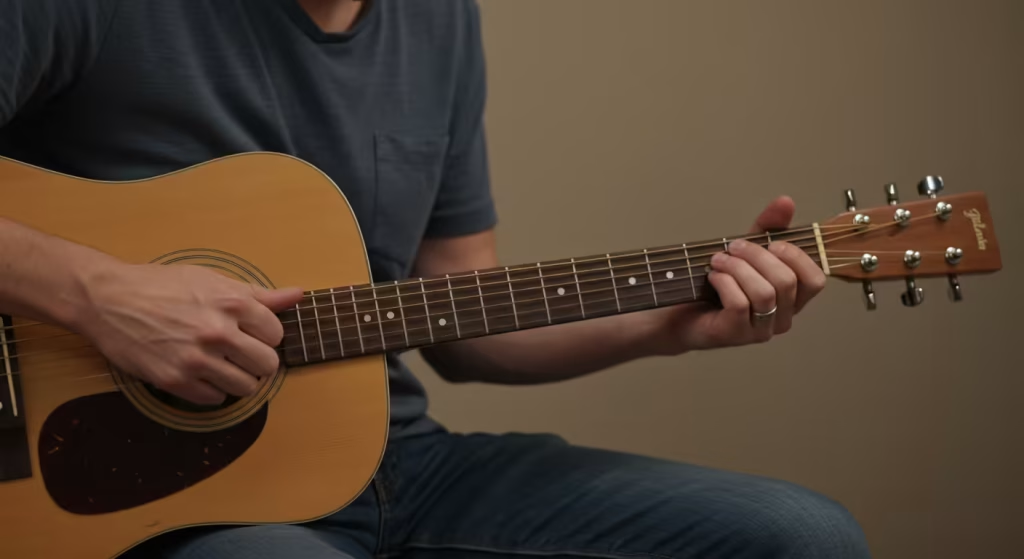
Stretching is important for guitar lessons with small hands. It helps make the fingers more flexible and reduces tension. Stretching also prevents injuries. Adding stretches to practice lets your child play more easily and comfortably. For example, stretching can reduce hand and finger tension.
Basic Stretching Exercises
Consider the scale length, neck width, and comfort when choosing a short-scale guitar. A 24.75-inch scale is good for small hands. Also, pick a guitar with a comfortable neck and easy strings. For example, a guitar with a 24.75-inch scale and a 1.65-inch neck width is a great choice.
- Finger Stretches: Gently stretch each finger individually, holding for 10-15 seconds. This exercise helps improve finger dexterity and reach.
- Wrist Stretches: Rotate your wrist in a circular motion to loosen up the muscles. Wrist stretches are essential for preventing strain and discomfort while playing.
- Arm Stretches: Stretch your arms overhead to improve overall flexibility. Arm stretches help prevent tension and discomfort in the shoulders and arms.
Incorporating Stretching into Practice
Make stretching a habit by adding it to your child’s practice routine. Start with a few minutes of stretching before each session. For example, have them do finger stretches, then wrist and arm stretches. This helps prepare the hands and fingers for playing and prevents injuries.
Short-Scale Techniques for Guitar Lessons for Small Hands
What is a Short-Scale Guitar?
A short-scale guitar is perfect for small hands. It has a smaller neck, making it easier to reach notes and chords. This helps kids play comfortably and confidently. The smaller neck reduces finger tension, making it easier to play. Short-scale guitars are a great choice for young guitarists.
Benefits of Short-Scale Guitars
Short-scale guitars offer several benefits for guitar lessons for small hands, including:
- A smaller neck helps you reach notes and chords easily. This reduces the need to stretch and reach.
- The smaller size lowers tension in your hands and fingers. This makes it more comfortable to play.
- Short-scale guitars are made for players with small hands. They are more comfortable to play, which makes the experience better.
Choosing the Right Short-Scale Guitar
When picking a short-scale guitar, think about the scale length, neck width, and comfort. A scale length of 24.75 inches is good for small hands. Also, choose a guitar with a comfortable neck and easy strings. For example, a guitar with a 24.75-inch scale and a 1.65-inch neck width is a great choice.
| Feature | Importance |
|---|---|
| Scale Length | Essential for finger reach |
| Neck Width | Crucial for comfort and playability |
| String Gauge | Affects ease of playing and comfort |
Short-Scale Guitar Recommendations
Here are some short-scale guitar recommendations for small-handed guitarists:
- The Yamaha TRBX174 has a 24.75-inch scale length and a comfortable neck. This makes it a great choice for young musicians with small hands.
- The Fender Player Series Stratocaster has a 25.5-inch scale length and a comfortable neck. It’s a great choice for small-handed guitarists.
The Ibanez GRX20 has a 24.75-inch scale length and a comfortable neck. This makes it perfect for young musicians with small hands.
Additional Tips for Guitar Lessons for Small Hands
Proper Posture
Proper posture is important for small hands. Tell your child to sit up straight, with their back supported and feet flat on the floor. This helps avoid strain and discomfort. For example, a chair with good back support works well for playing the guitar.
Gradual Progression
Gradual progression is important for kids with small hands. Start with simple songs and exercises. As your child improves, add more complex pieces. This helps prevent frustration and keeps progress steady. For example, begin with simple chords and scales, then move to harder songs and techniques.
Patience and Encouragement
Patience and encouragement are important for small hands. Be patient with your child’s learning. Offer lots of support and praise. Celebrate small wins to keep them motivated. For example, praise them when they master a new chord or song. This will boost their confidence.
Music Lessons in San Diego with K&M Music School
1 Expert Music Lessons
We offer Piano, Violin, Cello, Guitar, Ukulele, Saxophone, Bassoon, Harp, Voice, and Toddler group lessons for students of all ages and skill levels.
2 Why Choose Us?
- 🎶 Boosts focus and self-discipline
- 🎵 Strengthens cognitive skills
- 🎼 Enhances cultural understanding
- 🎤 Builds confidence through recitals
3 We Welcome Adults Too!

Guitar Lessons for Small Hands: Success Stories
Case Study 1: Alex’s Journey
Alex, a 10-year-old with small hands, had trouble with regular guitar lessons. But with stretching exercises and a short-scale guitar, he improved a lot. These techniques helped him play comfortably and confidently. As a result, Alex developed a love for music.
Case Study 2: Jamie’s Transformation
Jamie, an 8-year-old with small hands, felt discouraged by regular guitar lessons. But with short-scale guitar and stretching exercises, Jamie improved a lot. By practicing slowly and keeping a good posture, Jamie overcame the challenges. In the end, Jamie developed a love for music.
Guitar Lessons for Small Hands: Frequently Asked Questions
How often should I incorporate stretching exercises into my child’s practice routine?
Add stretching exercises 2-3 times a week. Start with a few minutes of stretching before each practice. This warms up the hands and fingers. It helps prepare them for playing and prevents injuries.
What is the best way to choose a short-scale guitar for my child?
When choosing a short-scale guitar, focus on the scale length, neck width, and comfort. These factors help make playing easier.A 24.75-inch scale is good for small hands. Also, pick a guitar with a comfortable neck and easy strings. For example, a guitar with a 24.75-inch scale and a 1.65-inch neck width is a great choice.
How can I encourage my child to maintain proper posture while playing the guitar?
Encourage your child to sit up straight with their back supported and feet flat on the floor. This helps avoid strain while playing. Show them the right posture and ask them to copy it. For example, have your child sit in a chair with good back support and their feet flat on the floor. This will help them play the guitar comfortably.
Guitar Lessons for Small Hands: Common Mistakes to Avoid
Overstretching
Overstretching is a common mistake. It can hurt and make playing harder. To avoid this, have your child stretch slowly. For example, they can stretch each finger for 10-15 seconds. After that, they can stretch longer.
Incorrect Posture
Incorrect posture is a common mistake for kids with small hands. It can cause pain and make it hard to play. To avoid this, tell your child to sit up straight. Make sure their back is supported. Their feet should be flat on the floor. For example, a chair with good back support works well. This way, they’ll be in the right position to play the guitar.
Rushing Progress
Rushing progress is a common mistake. It can make your child frustrated and discourage them. To avoid this, encourage your child to take their time. Focus on mastering one skill before moving to the next. For example, have them practice a new chord or song for a week before learning something new.
Guitar Lessons for Small Hands: The Role of a Guitar Instructor
Qualities of a Good Guitar Instructor
A good guitar instructor is essential for successful guitar lessons for small hands. Here are some qualities to look for in a guitar instructor:
- A good guitar teacher is patient and understanding. They know learning guitar can be hard, especially for small-handed players.
- Encouragement: A good guitar instructor is encouraging and supportive. They celebrate small victories and milestones to keep their students motivated and engaged.
- A good guitar teacher is knowledgeable and experienced. They understand lessons for small hands. They can also give helpful feedback and guidance.
- Adaptable: A good guitar instructor is adaptable and flexible. They can adjust their teaching style and approach to meet the unique needs of their students.
What to Look for in a Guitar Instructor
When looking for a guitar teacher for small hands, consider these factors:
- Look for a guitar teacher with experience working with small-handed players. This will help your child overcome common challenges. They will have the skills to assist your child.
- Teaching Style: Consider the guitar instructor’s teaching style and approach. Look for an instructor who uses a patient, encouraging, and adaptable teaching style.
- Think about the teacher’s schedule. Make sure they can work with your child’s availability. It’s important to have regular lessons.
- Reputation: Research the guitar instructor’s reputation and track record. Look for positive reviews and testimonials from satisfied students and parents.
How to Find a Guitar Instructor
Finding a guitar teacher for small hands can be tough, but it’s possible. Here are some tips to help you find the right one.
- Ask friends, family, and coworkers for suggestions. See if they know any guitar teachers who specialize in small hands. This can help you find a good instructor.
- Look for guitar teachers who specialize in small hands. Check if they have experience and a good track record. Next, attend a trial lesson to see if they’re a good fit. This will help you decide if their teaching style works for your child.
Conclusion
Learning to play the guitar with small hands can be challenging, but with the right techniques and tools, it can become an enjoyable and rewarding experience. By incorporating stretching exercises, using short-scale guitars, and practicing proper posture, your child can overcome common obstacles and develop a love for music. Patience, encouragement, and gradual progression are key to success. Don’t let small hands hold your child back from becoming a skilled guitarist.
Music Lessons in San Diego with K&M Music School
1 Expert Music Lessons
We offer Piano, Violin, Cello, Guitar, Ukulele, Saxophone, Bassoon, Harp, Voice, and Toddler group lessons for students of all ages and skill levels.
2 Why Choose Us?
- 🎶 Boosts focus and self-discipline
- 🎵 Strengthens cognitive skills
- 🎼 Enhances cultural understanding
- 🎤 Builds confidence through recitals
3 We Welcome Adults Too!

Call to Action
Ready to help your child excel in guitar lessons? Start by incorporating stretching exercises into their practice routine and consider investing in a short-scale guitar. Encourage proper posture and gradual progression to make the learning process enjoyable and effective. Don’t wait—begin your child’s musical journey today and watch them grow into a confident and skilled guitarist!
FAQ
How often should I incorporate stretching exercises into my child’s practice routine? Add stretching exercises to your child’s practice routine 2-3 times a week. Start with a few minutes of stretching before each session to warm up the hands and fingers. This helps prepare them for playing and prevents injuries.
What is the best way to choose a short-scale guitar for my child? When choosing a short-scale guitar, consider the scale length, neck width, and comfort. A 24.75-inch scale is good for small hands. Also, pick a guitar with a comfortable neck and easy strings. For example, a guitar with a 24.75-inch scale and a 1.65-inch neck width is a great choice.
How can I encourage my child to maintain proper posture while playing the guitar? Encourage your child to sit up straight with their back supported and feet flat on the floor. This helps avoid strain while playing. Show them the right posture and ask them to copy it. For example, sitting in a chair with good back support and their feet flat on the floor will help them play the guitar comfortably.
What are some common mistakes to avoid for guitar lessons for small hands? Avoid mistakes like overstretching, bad posture, and rushing. To avoid overstretching, tell your child to stretch slowly. For good posture, make sure they sit up straight with their back supported and feet flat on the floor. To avoid rushing, remind them to take their time and master each skill first.
How can alternate tunings and capo techniques help small-handed guitarists? Alternate tunings like DADGAD, Open D, and Open G make chords easier to play and help reach notes more easily. Using a capo on the 2nd, 4th, or 7th fret can also make it easier to play in higher keys and reach chords and notes more comfortably.
Katherine Dvoskin, Co-Founder of K&M Music School
She is co-founder of K&M Music School in San Diego, is a passionate music educator with over 25 years of experience. She offers expert piano lessons in San Diego. At K&M Music School, we teach Piano, Violin, Cello, Saxophone, Bassoon, Harp, Voice, and Toddler group lessons. Katherine's blog shares insights on music education, covering topics from toddler music group lessons to adult music lessons. Whether you're seeking private music lessons or group music lessons for toddlers near you, welcome to K&M Music School.