
Why Do I Run Out of Breath When Singing? Fixing Air Leakage

Katherine Dvoskin, Co-Founder of K&M Music School
I hope you enjoy this blog post! If you're interested in scheduling a free trial lesson, just click.
Author: Katherine Dvoskin | Co-Founder of K&M Music School
Published March 14th, 2025

Why Do I Run Out of Breath When Singing? Fixing Air Leakage. Learn how to overcome breathlessness while singing and discover effective techniques to improve your vocal performance.
Singing is a great way to express yourself, but many singers run out of breath. This is called “air leakage,” and it can be frustrating. In this guide, we’ll explain why it happens and how to fix it. Let’s get started!
| Causes of Air Leakage | Symptoms | Fixing Techniques |
|---|---|---|
| Poor posture | Breathlessness | Diaphragmatic breathing |
| Tight chest muscles | Vocal strain | Proper alignment |
| Incorrect breathing | Breathy voice | Relaxation exercises |
| Overuse of vocal cords | Lack of support | Warm-up routines |
| Shallow breathing | Quick fatigue | Breath support drills |
| Tension in shoulders | Limited vocal range | Mindful singing practice |
Understanding Air Leakage in Singing
Air leakage happens when air escapes from your lungs while singing. This can cause breathlessness and strain on your voice. It can happen because of bad posture, tight chest muscles, or wrong breathing. Understanding air leakage is the first step to fixing it.
What is Air Leakage?
Air leakage happens when air escapes from your lungs while singing. Bad breathing, tight muscles, or poor posture can cause it. This makes it hard to breathe and puts strain on your vocal cords. It also makes it difficult to sing for long periods.
Common Causes of Air Leakage
Several factors can contribute to air leakage during singing. Some common causes include:
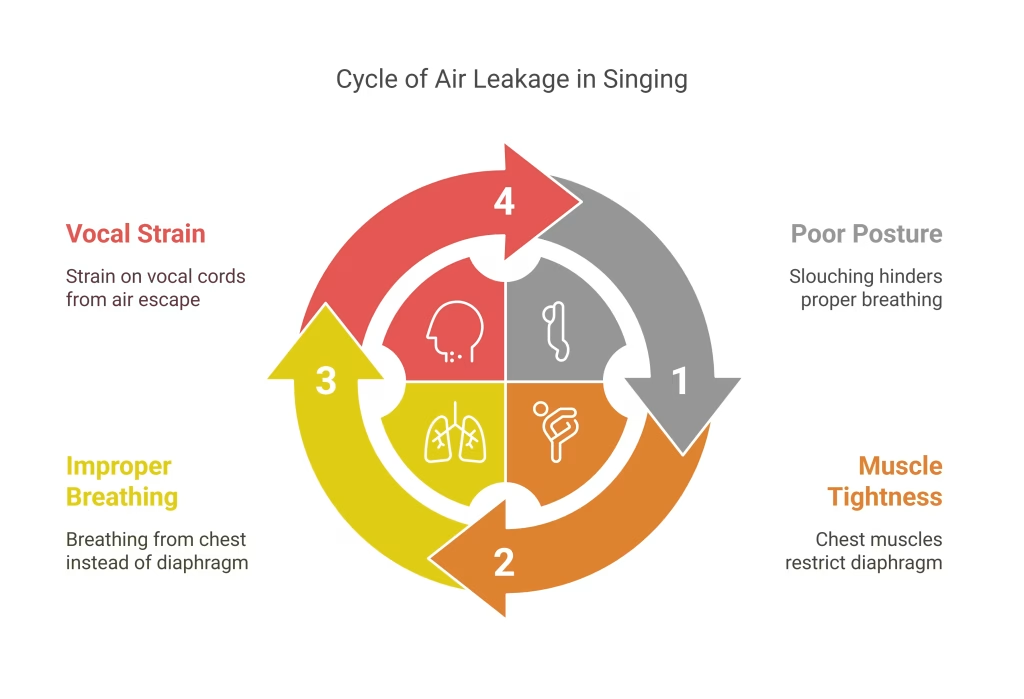
- Poor posture, like slouching, can make it hard to breathe properly. This can cause air to escape while singing.
- Tight chest muscles can stop your diaphragm from working well. This leads to air leakage. Breathing from your chest instead of your diaphragm can also cause air leakage.
How Air Leakage Affects Breathing
Air leakage can make it hard to breathe while singing. When air escapes, your lungs don’t get enough air. This can make you feel out of breath and tired. It can also strain your vocal cords, causing fatigue and possible damage.
Identifying Air Leakage
Identifying air leakage is crucial for fixing the issue. Here are some signs and feelings that indicate air leakage during singing.
Signs of Air Leakage
Several visible signs can help you identify air leakage. Some common signs include:
- Poor posture, like slouching, can make breathing hard. This causes air to leak while singing. Tension in your shoulders can also restrict your breathing and lead to air leakage.
If you see your abdomen move while singing, it may mean air is escaping from your lungs.
Feeling Air Leakage
Feeling air leakage can also help you identify the issue. Some common feelings include:
- Lack of Support: You may feel a lack of support in your breath, making it difficult to sing for extended periods.
- If your voice sounds breathy, it means air is leaking from your lungs. This can affect your singing. You might run out of breath while singing, even if you take a deep breath. This can be a sign of air leakage.
Fixing Air Leakage
Now that you know what air leakage is, let’s look at ways to fix it. These tips will help you improve your singing.
Proper Breathing Techniques
Proper breathing techniques are essential for fixing air leakage. Here are some effective breathing techniques to try:
- Diaphragmatic breathing means breathing deeply from your belly. Place one hand on your chest and one on your stomach. Breathe in through your nose, letting your stomach expand. Then, breathe out slowly through your mouth, feeling your stomach contract. This helps you breathe better and avoid air leakage.
- Belly breathing helps you breathe deeply from your stomach. Place one hand on your chest and one on your belly. Inhale through your nose, letting your belly expand. Exhale through your mouth, feeling your belly contract. This helps prevent air leakage.
Posture and Alignment
Proper posture and alignment are crucial for fixing air leakage. Here are some tips for maintaining proper posture and alignment:
- Stand up straight with your shoulders back and chest open. This helps your diaphragm expand. Relax your shoulders while singing. Tension in your shoulders can affect your breathing and cause air leakage.
- Keep Your Head Up: Keep your head up and avoid looking down while singing. Looking down can cause tension in your neck and restrict your breath.
Relaxation Techniques
Relaxation techniques can help prevent air leakage by reducing tension in your body. Here are some effective relaxation techniques to try:
- Yoga can help relax your body and improve breathing. Try poses like Cat-Cow or Child’s pose. These focus on breath control and relaxation.
- Deep breathing helps reduce tension and improve breathing. Try the 4-7-8 technique: inhale for 4 seconds, hold for 7 seconds, and exhale for 8 seconds. This can help you relax and breathe better.
Practical Tips for Singers
To fix air leakage and improve singing, focus on breathing and posture. There are also some useful tips to help. These tips can make your voice stronger and prevent air from leaking.
Warm-Up Exercises
Warm-up exercises are essential for preparing your voice for singing. Here are some effective warm-up exercises to try:
- Humming: Humming helps warm up your vocal cords and prepare them for singing. Try humming different pitches and scales to improve your vocal range and flexibility.
- Sirens help warm up your vocal cords and improve breath control. Sing them at different pitches and volumes to boost your vocal range and flexibility.
- Vowel sounds warm up your vocal cords and help with breath control. Sing “ah,” “ee,” and “oh” at different pitches and volumes. This will improve your vocal range and flexibility.
Breath Support Exercises
Breath support exercises help with breath control and stop air leakage. Here are some exercises you can try. These will help strengthen your breath support.
- Breathing exercises help with breath control and stop air leakage. Try the 4-7-8 technique. Inhale for 4 seconds, hold for 7 seconds and exhale for 8 seconds. This will improve your breathing.
- Diaphragmatic breathing helps control your breath and stop air from leaking. Try the Cat-Cow pose or the Child’s pose. These exercises focus on breathing deeply from your diaphragm.
- Belly breathing helps control your breathing and stop air from leaking. Try the 4-7-8 technique: inhale for 4 seconds, hold for 7 seconds, and exhale for 8 seconds. This can improve your breath control.
Mindful Singing
Mindful singing means focusing on your breath and relaxing to prevent air leakage. Here are some tips to help you sing mindfully:
- Focus on breathing deeply while singing. Don’t hold your breath or breathe shallowly. This helps prevent air leakage and strain on your vocal cords.
- Release tension in your body to stop air leakage. Try yoga or deep breathing exercises. These can help reduce tension and improve your breath control.
- Listen to your voice while singing. Make sure you’re using proper breath support and technique. Avoid a strained or breathy voice, as this can cause air leakage and vocal fatigue.
Common Mistakes to Avoid
Avoiding common mistakes is key to fixing air leakage and improving your singing. Here are some mistakes to avoid:
Incorrect Breathing Techniques
Incorrect breathing techniques can cause air leakage and strain on your vocal cords. Here are some incorrect breathing techniques to avoid:
- Breathing from your chest causes air leakage. To fix this, practice diaphragmatic or belly breathing. These exercises help improve your breath control.
- Breathing shallowly can cause air leakage and make singing harder. To fix this, practice deep breathing exercises. This will help you control your breath better.
- Holding Your Breath: Holding your breath can cause air leakage and strain on your vocal cords. To avoid this, practice breath support exercises to improve your breath control.
Poor Posture
Poor posture can cause air leakage and restrict your breath. Here are some tips for maintaining proper posture:
- Stand up straight with your shoulders back and chest open. This helps your diaphragm expand fully and prevents tension in your chest muscles.
- Relax Your Shoulders: Relax your shoulders and avoid tensing them while singing. Tension in your shoulders can restrict your breathing and cause air leakage.
- Keep Your Head Up: Keep your head up and avoid looking down while singing. Looking down can cause tension in your neck and restrict your breath.
Overuse of Vocal Cords
Overuse of vocal cords can cause strain and air leakage. Here are some tips for protecting your vocal cords:
- Take Breaks: Take breaks during singing to allow your vocal cords to rest and recover. Avoid singing for extended periods without taking breaks.
- Hydrate: Stay hydrated by drinking plenty of water before, during, and after singing. Hydration helps keep your vocal cords healthy and prevents strain.
- Warm Up: Warm up your vocal cords before singing to prepare them for performance. Avoid singing without warming up, as this can cause strain and air leakage.
Long-Term Solutions
Fixing air leakage takes time and requires addressing the main causes. Here are some long-term solutions to try:
Regular Practice
Regular practice is essential for improving your vocal performance and preventing air leakage. Here are some tips for regular practice:
- Practice regularly to improve your vocal technique and breath control. Try to practice for at least 30 minutes a day. Focus on breathing exercises, warm-ups, and singing.
- Practice different songs and styles to improve your vocal range. Don’t always practice the same song. Repeating the same song can cause vocal fatigue and strain.
- Ask a vocal coach or experienced singer for feedback. They can help you find areas to improve and give tips on your technique.
Professional Help
Getting help from a vocal coach can improve your singing and fix air leakage. Here are some tips for working with one:
- Find a qualified vocal coach with experience in your style and level. Don’t choose a coach who lacks experience or qualifications.
- Set clear goals for your vocal training. These could include improving your breath control, range, or technique. Work with your coach to make a plan to reach these goals.
- Be open to feedback from your coach. Listen to their advice and be willing to adjust your technique. Don’t ignore or argue with feedback, as it can slow your progress.
Lifestyle Changes
Lifestyle changes can help prevent air leakage and improve your vocal performance. Here are some lifestyle changes to consider:
- Hydration: Stay hydrated by drinking plenty of water throughout the day. Hydration helps keep your vocal cords healthy and prevents strain.
- Healthy Diet: Eat a healthy diet rich in fruits, vegetables, and whole grains. A healthy diet supports overall health and can improve your vocal performance.
- Avoid Smoking: Avoid smoking, as it can damage your vocal cords and make it difficult to sing. If you smoke, consider quitting to improve your vocal health.
Advanced Techniques for Fixing Air Leakage
To improve your singing, try advanced techniques for air leakage and breath control. Here are some tips to help:
Vocal Exercises
Vocal exercises can help improve your breath control and prevent air leakage. Here are some advanced vocal exercises to try:
- Lip trills help with breath control and vocal technique. To do them, vibrate your lips while singing. Try different pitches and volumes to expand your vocal range and flexibility.
- Tongue twisters help improve breath control and vocal technique. Try singing phrases like “She sells seashells by the seashore.” This will make your voice more flexible and strong.
- Scales help improve your vocal range and flexibility. Sing scales, like the major or minor scale, to practice your technique. This will also improve your breath control.
Vocal Yoga
Vocal yoga combines yoga poses with vocal exercises. This helps improve your breath control and prevent air leakage. Here are some vocal yoga techniques to try.
- Cat-Cow Pose is when you arch your back and look up, then round your back and tuck your chin. This stretches your spine and opens your chest. It helps with breath control and vocal technique.
Child’s Pose is when you kneel and sit back on your heels. Stretch your arms forward. This pose helps with breath control and opens your chest. - The Downward-Facing Dog pose is done by lifting your hips up and back while on your hands and knees. It helps stretch your spine and open your chest. This pose improves your breath control and vocal technique.
Breathing Devices
Breathing devices can help improve your breath control and prevent air leakage. Here are some breathing devices to consider:
- Breathing masks cover your nose and mouth to help you breathe deeply. Use a breathing mask while singing to improve your breath control and stop air leakage.
- Breathing apps guide you to improve your breath control and stop air leakage. Use them while singing to boost your vocal technique and flexibility.
Conclusion
Understanding and addressing air leakage is crucial for improving your vocal performance and preventing strain. By focusing on proper breathing techniques, maintaining good posture, and incorporating relaxation exercises, you can significantly reduce air leakage and enhance your singing experience. Regular practice and seeking professional help can further refine your skills and ensure long-term vocal health.
Call to Action
Ready to take your singing to the next level? Start by practicing the breathing and posture techniques outlined in this guide. Consider investing in breathing devices or seeking the advice of a vocal coach to accelerate your progress. Don’t let air leakage hold you back—take action today and unlock your full vocal potential!
FAQ
Why Do I Run Out of Breath When Singing?
Running out of breath while singing is usually caused by air leakage. This happens when air escapes from your lungs. It can be due to bad posture, tight chest muscles, or incorrect breathing. Fixing air leakage is important for better singing.
How Can I Fix Air Leakage When Singing?
To fix air leakage, focus on breathing right, like belly breathing. Stand tall, relax your shoulders, and keep your head up. Practice yoga and deep breathing to relax. Also, do warm-ups and breath support exercises to improve your singing.
What Are Some Common Mistakes to Avoid When Singing?
Avoid breathing from your chest or breathing too shallowly. Don’t hold your breath either. Bad posture, like slouching, can cause air leakage. Overusing your vocal cords can also lead to strain. Remember to take breaks, stay hydrated, and warm up before singing.
How Can Regular Practice Help Fix Air Leakage?
Regular practice is key to improving your voice and stopping air leakage. Practice often to control your breath and improve your singing. Try different songs and styles to widen your vocal range. Ask a coach or experienced singer for feedback to help you improve.
What Role Does Posture Play in Fixing Air Leakage?
Good posture helps fix air leakage. Stand tall with your shoulders back and chest open. This helps your diaphragm expand. Relax your shoulders and keep your head up. This will improve your breath control and vocal performance.
How Can Breathing Devices Help Fix Air Leakage?
Breathing devices can help improve breath control and stop air leakage. Masks, exercise machines, and apps give you guided breathing exercises. Using them while singing can improve your vocal technique and flexibility. This makes it easier to control air leakage.
What Are Some Advanced Techniques for Fixing Air Leakage?
To fix air leakage, try exercises like lip trills, tongue twisters, and scales. Yoga poses, like Cat-Cow, Child’s pose, and Downward-Facing Dog, can help too. Breathing devices, like masks, machines, and apps, also improve your breath control. All of these help you sing better.
Katherine Dvoskin, Co-Founder of K&M Music School
She is co-founder of K&M Music School in San Diego, is a passionate music educator with over 25 years of experience. She offers expert piano lessons in San Diego. At K&M Music School, we teach Piano, Violin, Cello, Saxophone, Bassoon, Harp, Voice, and Toddler group lessons. Katherine's blog shares insights on music education, covering topics from toddler music group lessons to adult music lessons. Whether you're seeking private music lessons or group music lessons for toddlers near you, welcome to K&M Music School.

