Singing Through Allergy Season: San Diego Vocalist Tips

Katherine Dvoskin, Co-Founder of K&M Music School
I hope you enjoy this blog post! If you're interested in scheduling a free trial lesson, just click.
Author: Katherine Dvoskin | Co-Founder of K&M Music School
Published December 12th, 2025

Allergy season can make singing hard. Your nose can get blocked, and your throat can feel scratchy. So, San Diego singers need simple ways to protect their voice when pollen is high.
This guide shares practical tips that actually help. It covers how local allergies affect your voice. Also, it gives daily care habits and performance strategies. So, you can keep singing more comfortably all year.
Common problems and what to do
If your nose is stuffed up, use a saline rinse twice a day. Also, use steam for about 20 minutes before you sing.
If antihistamines make your throat dry, drink 8–10 glasses of water a day. Also, keep room humidity around 30–50%.
During spring pollen season (March–May), check the pollen count each morning. Then practice indoors when the count is high.
If your vocal cords feel sore or swollen, drink ginger or licorice tea. Also, rest your voice between rehearsals.
On performance day, do a steam session before showtime. Also, give yourself extra warm-up time.
During Santa Ana winds, use a HEPA filter indoors. Also, avoid singing outside when the winds are strong.
What Makes San Diego Allergy Season Challenging for Vocalists?
San Diego’s beautiful climate comes with a hidden cost for singers. The mild weather means plants bloom nearly year-round. This creates constant exposure to allergens that can hurt your voice.

Music Lessons in San Diego with K&M Music School
1 Expert Music Lessons
We offer Piano, Violin, Cello, Guitar, Ukulele, Saxophone, Bassoon, Harp, Voice, and Toddler group lessons for students of all ages and skill levels.
2 Why Choose Us?
- 🎶 Boosts focus and self-discipline
- 🎵 Strengthens cognitive skills
- 🎼 Enhances cultural understanding
- 🎤 Builds confidence through recitals
3 We Welcome Adults Too!
San Diego’s Unique Allergy Triggers
Our coastal city has specific allergens that make singing difficult. Grass pollen peaks from February through June. Eucalyptus trees drop pollen all year but get worse in spring. Sagebrush and chaparral plants cause fall allergies from September to November.
Santa Ana winds can make allergies much worse. They are hot and dry, and they blow pollen across the region. So, a mild allergy day can quickly become a bad day for singers. Also, pollution can mix with allergens and make breathing harder.
San Diego’s nice weather can also make allergy season last longer. Cold places get a break in winter, but we often do not. So, singers may deal with allergy problems almost all year.
Daily Voice Risk Calculator
How Allergies Impact Your Singing Voice
Allergies attack your voice in multiple ways. Nasal congestion blocks your resonance chambers. This changes how your voice sounds and makes it harder to project. Post-nasal drip irritates your throat constantly. You feel like you need to clear your throat all the time, which strains your vocal cords.
Your vocal cords can swell from inflammation. This makes your range smaller and your tone less clear. Chest congestion reduces breath control. You can’t hold notes as long or sing with the same power. Antihistamines dry out your mouth and throat. A dry voice is a damaged voice.
Coughing fits interrupt practice sessions and can even happen during performances. This creates anxiety that affects your confidence. When you worry about your voice failing, tension creeps into your singing technique.
Peak Allergy Months in San Diego
Spring brings the worst allergies for most San Diego vocalists. March through May is grass pollen season. Tree pollens also peak during these months. If you have important performances scheduled in spring, start preparing in February.
Fall creates a second wave of problems. September through November brings ragweed and sagebrush pollen. These allergens affect fewer people than spring pollens, but they hit hard when they do. Some singers struggle more in fall than spring.
San Diego has allergens all year, like dust mites, mold, and some trees. So, check daily pollen counts on Pollen.com or the San Diego County Air Pollution Control District. Then plan your practice and voice care based on what’s in the air.
Preparing Your Voice Before Allergy Season Hits
Smart singers prepare before problems start. Prevention works better than trying to fix vocal damage after it happens. Taking action early protects your instrument and keeps you performing at your best.
Visit an Allergist Before Peak Season
Schedule an appointment with an allergist in January or February. Getting tested shows you exactly what triggers your symptoms. This knowledge helps you create a targeted defense plan. Many people think they know what bothers them, but testing often reveals surprises.
Tell your allergist that you’re a singer. This matters because some allergy treatments can dry out your vocal cords. An allergist who understands performer needs will recommend singer-friendly options. Discuss immunotherapy if your allergies are severe. This treatment takes months to work, so starting early is essential.
Create a written plan with your allergist. Know exactly what medications to take and when. Have backup options for different scenarios. This removes guesswork when allergy symptoms hit suddenly.
Vocal Health Baseline Assessment
See an ENT doctor before allergy season starts. Get a baseline check of your vocal cords. Then, if problems happen later, the doctor can compare changes to your normal voice. So, it makes diagnosis faster and more accurate.
Work with a vocal coach to identify weak spots in your technique. Sometimes what feels like allergy problems actually comes from poor vocal habits. Strengthening your technique now protects you when allergies stress your voice. Record your voice while healthy. Document your normal range, tone quality, and stamina. This recording serves as your reference point throughout allergy season.
Building Immune System Strength
Your immune system fights allergen responses. A stronger immune system means milder symptoms. Start building immunity weeks before peak allergy season begins. Eat colorful fruits and vegetables daily. These foods contain antioxidants that reduce inflammation. Vitamin C supports immune function. Good sources include oranges, bell peppers, and strawberries.
Sleep 7-9 hours every night. Poor sleep weakens your immune response and makes allergy symptoms worse. Create a consistent sleep schedule. Your body needs predictable rest to function well. Manage stress through meditation, yoga, or other relaxation techniques. Stress hormones suppress immune function and increase inflammation.
Drink water constantly. Aim for 8-10 glasses daily, even before you feel thirsty. Hydration keeps mucus thin and helps your body flush out allergens. Well-hydrated vocal cords resist damage better than dry ones.
Essential Daily Routines for Singing Through Allergy Season

Daily habits make the biggest difference in managing allergies. Consistency matters more than intensity. Small actions repeated every day protect your voice better than occasional heroic efforts.
Morning Vocal Care Rituals
Start every day by checking the pollen count. Many weather apps include this information. High pollen days require extra precautions. Plan indoor activities when counts spike. Steam inhalation should be your first morning vocal care step. Boil water, pour it into a bowl, and breathe the steam for 5-10 minutes. This moisturizes your vocal cords and loosens congestion.
Do gentle humming warm-ups after steaming. Don’t push your voice first thing in the morning. Let it wake up slowly. Nasal irrigation with saline solution clears allergens from your nasal passages. Use a neti pot or squeeze bottle designed for this purpose. Always use distilled or previously boiled water for safety.
Drink a full glass of water before doing anything else. Your body dehydrates overnight. Rehydrating immediately helps your voice function properly. These simple morning rituals take only 15-20 minutes but protect your voice all day.
Singer's Hydration Calculator
Hydration Strategies for San Diego Vocalists
Water is your best friend during allergy season. San Diego’s dry climate already challenges vocal hydration. Add allergies and drying medications, and you need to drink constantly. Keep a water bottle with you always. Sip throughout the day rather than chugging large amounts at once.
Room temperature water works better than cold water for singers. Cold water can cause throat muscles to tighten. Warm water or herbal tea soothes inflammation. Try ginger tea for its anti-inflammatory properties. Licorice root tea coats your throat naturally. Slippery elm tea creates a protective layer on irritated tissues.
Avoid dairy products before singing. Many people produce more mucus after consuming milk, cheese, or yogurt. This doesn’t happen to everyone, but it’s worth testing. Cut dairy for a week and notice if your throat feels clearer. Use a humidifier in your practice space and bedroom. San Diego’s low humidity dries out vocal cords quickly. Keep humidity levels between 30-50% for optimal vocal health.
Throat and Nasal Care Techniques
Nasal rinsing removes pollen before it causes inflammation. Do this twice daily during high allergy periods. Use the right technique: lean over a sink, tilt your head sideways, and breathe through your mouth. The solution should flow in one nostril and out the other. Some people feel awkward at first, but it becomes easy with practice.
Throat coat teas provide temporary relief for irritation. Look for products containing slippery elm, marshmallow root, or licorice. These herbs coat your throat without interfering with vocal production. Lozenges can help between practices, but avoid menthol products. Menthol feels cooling but actually dries out your vocal cords.
Steam therapy works wonders when done correctly. Do it 20 minutes before singing for maximum benefit. You can add a few drops of eucalyptus oil to the water for extra sinus clearing. Be careful not to burn yourself. The steam should feel comfortable, not painful.
Choosing the Right Allergy Medications Without Harming Your Voice
Medication can save your voice or destroy it. The difference lies in choosing the right options. Not all allergy medications work well for singers. Some common treatments cause problems that hurt your performance.
Singer-Safe Antihistamines
Most antihistamines dry out your vocal cords. This creates a terrible situation where you treat allergies but damage your voice. Look for second-generation antihistamines like Zyrtec (cetirizine) or Allegra (fexofenadine). These cause less drying than older options like Benadryl.
Take your antihistamine at night if possible. This timing gives the drying effect time to wear off before you sing. Always increase water intake when using these medications. You need to compensate for the drying effect. Natural alternatives include quercetin, a plant compound found in apples, onions, and berries. Some studies show it reduces histamine release. Butterbur is another natural option with research supporting its effectiveness.
Local San Diego honey might help build tolerance to local pollens. Eat a spoonful daily during allergy season. The honey must come from local bees to contain relevant pollens. While scientific evidence is limited, many singers swear by this method. It’s safe to try and might help.
Nasal Sprays and Their Impact on Singing
Saline nasal sprays are completely safe for singers. Use them as often as needed. They moisturize and clear allergens without medication. Keep one in your practice bag and use it before singing. Medicated nasal sprays come in two types: decongestants and steroids. Decongestant sprays like Afrin work fast but cause rebound congestion. Never use them for more than three days. They’re terrible for long-term allergy management.
Steroid nasal sprays like Flonase or Nasacort reduce inflammation over time. They take several days to work fully but don’t cause rebound problems. These are good options for singers with chronic allergies. The key is proper spray technique. Point the nozzle away from the center of your nose. Aim toward your ear on the same side. This prevents the medication from dripping down your throat.
When to Use (or Avoid) Decongestants
Decongestants like Sudafed open nasal passages by shrinking blood vessels. They work quickly but come with serious downsides for singers. These medications significantly dry out your entire respiratory system. Your vocal cords need moisture to vibrate properly. Decongestants remove that moisture.
Decongestants can raise your heart rate and make you feel jittery. So, they can hurt breath control and increase performance anxiety. Use them only in emergencies. If you must perform and cannot breathe through your nose, one low dose might help. Then drink extra water.
Better options are steam, saline rinses, and breathing exercises. These can open your airways without the same side effects. So, many singers do not need decongestants once they learn these methods.
Choose healthcare providers who understand singers. Ask: “Will this medicine dry out my voice?” Also ask: “When should I take it so it affects singing less?” Then ask: “Is there a better option for singers?” A good doctor will help you manage allergies without hurting your voice.
Also consider an ENT who treats voice disorders. They understand vocal cords well and can check if allergies are the only issue. In San Diego, you can ask local vocal coaches for ENT recommendations.
Build a healthcare team that includes an allergist, ENT, and vocal coach. These professionals should communicate about your care. When everyone works together, you get better results. Don’t be afraid to advocate for yourself. You know your voice better than anyone.
Adapting Your Singing Technique During High Pollen Days

Flexibility keeps you singing when conditions aren’t perfect. On high pollen days, you need to adjust your approach. Fighting through problems with the same old technique can cause injury. Smart adjustments protect your voice while maintaining your skills.
Modifying Your Warm-Up Routine
Inflamed vocal cords need gentler treatment. Start with humming exercises that require minimal effort. Lip trills and tongue trills warm up your voice without strain. These exercises massage your vocal cords gently. They increase blood flow without stress.
Extend your warm-up time during allergy season. What normally takes 10 minutes might need 20 minutes. Your voice needs extra time to respond when dealing with inflammation. Move slowly through your range. Don’t jump to high notes immediately. Build gradually from comfortable mid-range notes.
Skip challenging vocal exercises on bad allergy days. Save aggressive technique work for when you’re healthy. Pushing through problems leads to vocal injury. It’s better to do simple exercises correctly than complex ones poorly.
Breath Control With Nasal Congestion
Mouth breathing becomes necessary when your nose is blocked. This isn’t ideal, but you can make it work. Focus on deep diaphragmatic breathing. Place one hand on your stomach and feel it expand as you breathe. Support your breath from your core, not your throat. Strong breath support compensates for restricted airways. Do breathing exercises without singing to build stamina.
Practice breath control exercises like sustained “sss” sounds. This builds the muscles that support your singing. Hold the sound for as long as possible while maintaining steady pressure. When airways are restricted, you need to work harder for the same breath capacity. But be careful not to force air. Tension makes everything worse. Find the balance between support and relaxation.
Music Lessons in San Diego with K&M Music School
1 Expert Music Lessons
We offer Piano, Violin, Cello, Guitar, Ukulele, Saxophone, Bassoon, Harp, Voice, and Toddler group lessons for students of all ages and skill levels.
2 Why Choose Us?
- 🎶 Boosts focus and self-discipline
- 🎵 Strengthens cognitive skills
- 🎼 Enhances cultural understanding
- 🎤 Builds confidence through recitals
3 We Welcome Adults Too!
Adjusting Your Range and Repertoire
Choose songs that work with your current vocal state. High notes require more coordination and effort. When dealing with allergies, stick to comfortable mid-range songs. Transpose keys if needed. There’s no shame in adjusting music to protect your voice.
Also avoid songs with very low notes. Congestion can weaken chest resonance, so low notes may not sound strong. So, choose songs that still fit your voice on that day.
Tell your accompanist or bandmates what’s going on. Good teammates can adjust with you. For example, you can sing fewer verses, switch harmonies, or share solos.
Proper Vocal Rest Strategies
Know when to push through and when to rest completely. Mild allergy symptoms don’t require full vocal rest. Gentle singing might actually help by keeping muscles engaged. But severe inflammation needs complete rest. If singing hurts, stop immediately. Pain signals damage.
Schedule silent periods between rehearsals. Give your voice recovery time. This is especially important if you’re taking allergy medications that dry your cords. Silent rest doesn’t mean whispering. Whispering actually strains vocal cords more than normal speech. If you must communicate, use a notepad or text messages.
Recovery time after performances should increase during allergy season. Your voice needs extra healing time when fighting inflammation. Cancel social plans that require talking for hours after a show. Protect your investment in your vocal health.
Creating an Allergy-Safe Practice and Performance Space
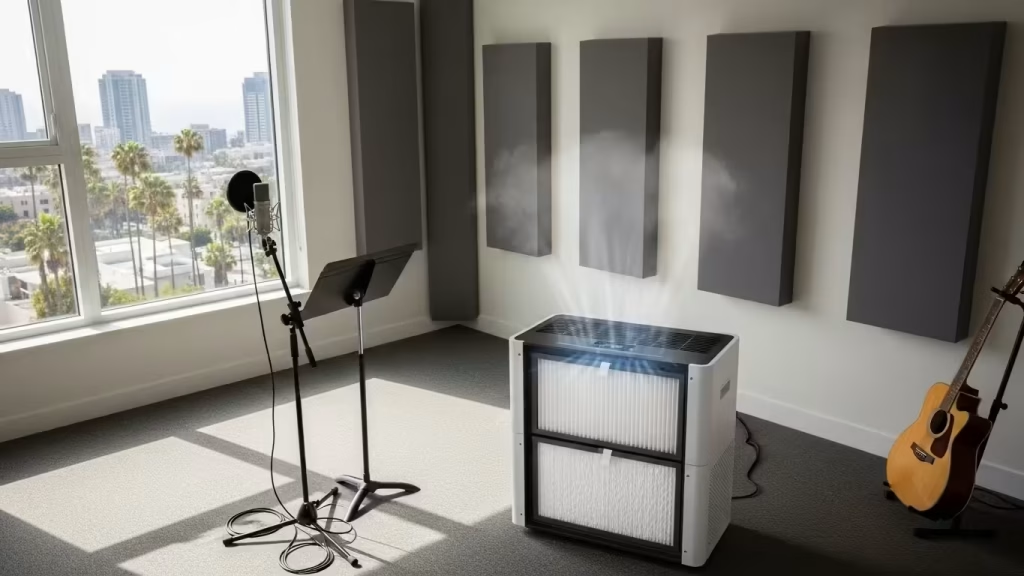
Your environment affects your voice as much as your technique. Controlling your surroundings reduces allergy triggers. This gives your voice a fighting chance during difficult seasons.
Indoor Air Quality Management
HEPA air filters remove pollen, dust, and other allergens from indoor air. Place one in your practice room and bedroom. Run it continuously during high pollen seasons. The difference in air quality is remarkable. Change filters regularly for maximum effectiveness.
Maintain humidity between 30-50% in practice spaces. Use a hygrometer to measure levels. San Diego’s dry climate often requires adding moisture. Use a cool-mist humidifier to achieve optimal levels. Too much humidity causes mold problems. Too little dries out your vocal cords.

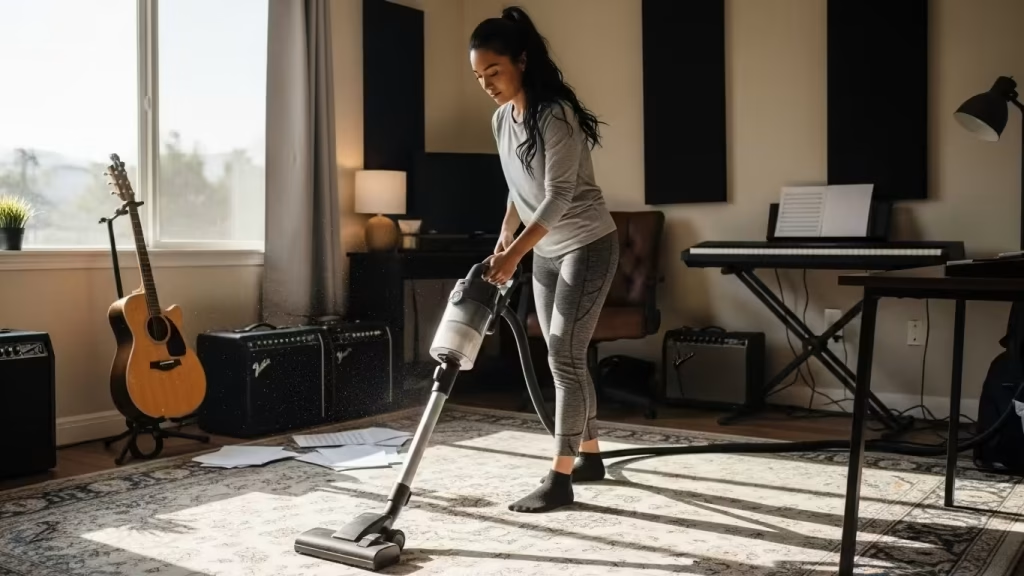
Clean your practice space regularly. Dust accumulates quickly and triggers allergy symptoms. Vacuum with a HEPA filter vacuum. Wash curtains and soft surfaces that trap allergens. Keep windows closed during high pollen count days. Avoid scented products, candles, and air fresheners. These irritate sensitive respiratory systems even without allergies.
Outdoor Singing Considerations
Check pollen forecasts before planning outdoor rehearsals or performances. Apps like Weather Underground and Pollen.com provide detailed local information. Reschedule outdoor activities when counts are high. The best time for outdoor singing is usually after rain. Rain clears pollen from the air temporarily. Early morning and late evening often have lower pollen counts than midday.
For unavoidable outdoor performances, position yourself away from flowering plants and trees. Wind direction matters too. Stand upwind of allergen sources when possible. Wear sunglasses to keep pollen out of your eyes. Eye irritation triggers more histamine release throughout your body.
Some San Diego venues have better air quality than others. Coastal locations often have cleaner air than inland areas. The ocean breeze clears some allergens. Indoor venues with good air filtration systems work best during peak allergy season.
Travel and Performance Prep
Pack an allergy emergency kit for performances. Include saline spray, throat lozenges, tissues, and your backup medications. Bring extra water bottles. You need more hydration than you think. A small portable humidifier can help in dry hotel rooms or dressing rooms.
Talk to venue managers about air quality. Ask if they can run HEPA filters before you perform. Also ask them to avoid strong cleaners or air fresheners that day. Most venues can do these simple things.
Have a backup plan for bad allergy days. For example, have an understudy or be ready to reschedule. So, protect your long-term voice, because it matters more than one show.
Foods and Natural Solutions That Support Vocal Health

What you eat affects how your voice functions. During allergy season, smart nutrition choices reduce inflammation and support healing. Natural remedies complement medical treatments and often have fewer side effects.
Anti-Inflammatory Foods for Singers
Omega-3 fatty acids fight inflammation throughout your body, including your vocal cords. Eat salmon, sardines, or mackerel twice weekly. Plant sources include walnuts, flaxseeds, and chia seeds. Add ground flaxseed to smoothies or oatmeal. Fresh fruits high in vitamin C support immune function. Oranges, strawberries, kiwi, and pineapple are excellent choices. Vitamin C also acts as a natural antihistamine.
Turmeric contains curcumin, a powerful anti-inflammatory compound. Add turmeric to soups, smoothies, or warm milk. Pair it with black pepper to increase absorption. Ginger reduces inflammation and soothes upset stomachs. Fresh ginger tea is easy to make and delicious.

Leafy greens like spinach, kale, and Swiss chard support your immune system. They also have magnesium, which can help relax muscles and reduce tension. So, eat a salad daily or add greens to a smoothie.
Foods to Avoid During Allergy Season
Dairy products cause increased mucus production in many people. Not everyone reacts this way, but it’s worth testing. Try eliminating dairy for one week and notice if your throat feels clearer. If dairy doesn’t bother you, continue enjoying it. If it does, find calcium from other sources like fortified plant milk or leafy greens.
Spicy foods irritate already inflamed throat tissues. Skip hot peppers, hot sauce, and heavily spiced dishes during flare-ups. You can return to these foods once symptoms calm down. Caffeine and alcohol dehydrate your system. Both interfere with vocal cord function. Limit coffee to one cup daily and avoid alcohol before performances.
Processed foods increase inflammation throughout your body. They contain additives, preservatives, and unhealthy fats that work against your healing. Choose whole foods whenever possible. Your voice will thank you.
Herbal Remedies and Supplements
Local San Diego honey helps some people build tolerance to local pollens. The honey must come from bees that collect from plants in your area. Eat one tablespoon daily. This method takes months to show effects, so start early in the year. Vitamin C supplements support immune function. Take 500-1000mg daily during allergy season. Zinc helps regulate immune response. Take 15-30mg daily, but don’t exceed this amount long-term.
Probiotics support gut health, which affects your immune system. About 70% of your immune system lives in your gut. Taking a daily probiotic improves overall immune function. Apple cider vinegar diluted in water might help thin mucus. Mix one tablespoon in a glass of warm water. The taste is strong, but some singers find it helpful.
Hydrating Beverages Beyond Water

Herbal teas provide hydration plus healing compounds. Chamomile tea reduces inflammation and promotes relaxation. Peppermint tea (used carefully) can soothe upset stomachs but may dry your throat. Licorice root tea coats and soothes irritated tissues. Don’t use licorice root long-term or if you have high blood pressure.
Coconut water has electrolytes and usually no added sugar. So, some people feel it hydrates better than plain water. Also, warm lemon water in the morning can support digestion. You can add a small pinch of salt for extra electrolytes.
Drink warm beverages before singing. Cold drinks can shock your vocal cords and cause tension. Room temperature or warm liquids keep muscles relaxed and ready to sing.
Show Day Tips for Singing Through Allergy Season Successfully

Performance day requires special attention during allergy season. Your goal is to get through the show with your voice intact. Smart preparation makes this possible even when allergies are bad.
Pre-Performance Preparation
Take allergy medication at the optimal time before your performance. If you use antihistamines, take them the night before. This gives the drying effect time to lessen. If you use nasal steroid sprays, use them in the morning. They need several hours to work fully.
Allow at least 30 minutes for warm-ups instead of your usual 15. Your voice needs extra time to respond during allergy season. Include lots of gentle humming and sirens. Avoid pushing to extreme high or low notes during warm-up. Save your full range for the actual performance.
Do a steam session 20-30 minutes before showtime. Bring a portable steamer if possible. Many performers keep one in their dressing room. The moisture prepares your vocal cords for heavy use. Mental preparation matters too. Accept that you might not sound exactly like you do on perfect health days. Focus on telling the story and connecting with your audience. Technical perfection is less important than emotional honesty.
Keep water on stage. Take small sips between songs. Do not chug, because it can upset your stomach. Between songs, do a gentle throat clear, sip water, and do small neck stretches to relax.
If a coughing fit starts, don’t panic. Turn away from the microphone. Take slow, controlled breaths through your nose if possible. Sip water slowly. Most coughing fits pass within 30 seconds. Your audience understands human moments.
If symptoms become severe mid-performance, communicate honestly with your audience. You don’t need to explain in detail. A simple “Bear with me, folks, the allergies are tough today” creates understanding. Most people are sympathetic. Your vulnerability often creates stronger audience connection.
Post-Performance Recovery
Cool-down vocal exercises are just as important as warm-ups. Do gentle descending scales and humming. This helps your voice return to rest position gradually. Don’t jump straight from performing to complete silence. Hydrate immediately after performing. You’ve lost significant moisture through breathing and singing. Drink at least 16 ounces of water right away.
A steam session after performing reduces inflammation from the strain of performance. This speeds recovery time. Rest your voice completely for the remainder of the evening. Avoid loud environments like parties or bars. Don’t try to talk over music or crowds.
Recognizing Warning Signs That Need Medical Attention
Most allergy symptoms respond well to home care. But sometimes professional help is necessary. Knowing when to seek medical attention prevents serious problems.
Symptoms That Require an ENT Visit
Persistent hoarseness lasting more than two weeks needs evaluation. This could indicate vocal cord damage beyond simple allergy inflammation. Pain when singing or speaking is never normal. Discomfort means something is wrong. Don’t push through painful singing.
Complete voice loss (called aphonia) requires immediate attention. Occasional scratchiness is normal with allergies. Total loss of voice is not. Blood in your mucus or saliva is a serious sign. See a doctor immediately. Difficulty swallowing could indicate severe swelling or another condition that needs treatment.
Don’t wait for symptoms to become severe. Early intervention prevents long-term damage. Your voice is your instrument. Protect it with the same care a violinist protects their violin.
Finding the Right Specialists in San Diego
Look for ENT doctors with experience treating professional voice users. These specialists understand the unique demands singers place on their vocal cords. They won’t tell you to “just rest your voice for months.” They’ll find solutions that keep you performing.
Voice therapists and speech pathologists help you develop better vocal technique. They work with you to strengthen weak areas and correct harmful habits. Many vocal injuries come from technique problems, not just allergies. An allergist who understands performer needs won’t prescribe medications that ruin your voice. Ask potential doctors directly: “Do you work with professional singers?” Their answer tells you if they’re the right fit.
Vocal coaches with health training bridge the gap between technique and medical care. They spot problems early and know when to refer you to medical professionals. Build relationships with these experts before emergencies happen.
Emergency Vocal Care
If you lose your voice before a performance, first decide if singing is safe. Voice loss from shouting or strain is different from voice loss from allergies. Strain can get worse if you perform. Allergy hoarseness may be easier to manage.
For quick relief, use steam for 15–20 minutes. Then rest your voice completely until showtime. Also, drink plenty of water. If you can, talk to a vocal coach or an ENT.
Sometimes you may need to cancel the performance. That choice is hard, but it can be necessary. Singing with a serious vocal injury can cause long-term damage. So, no show is worth losing your voice.
Protect your long-term vocal health over short-term commitments. Future you will thank present you for making smart choices. Your career depends on your voice working for decades, not just one show.
Building Resilience for Future Allergy Seasons
One-time fixes don’t create lasting change. Building resilience requires consistent effort over time. The habits you develop this allergy season will serve you for years to come.
Year-Round Vocal Conditioning
Maintain consistent practice habits even when allergies aren’t active. Regular singing keeps your vocal muscles strong. Strong muscles resist damage better than weak ones. Work with a vocal coach regularly, not just when problems arise. Good technique prevents many allergy-related vocal problems. A coach helps you identify and correct issues before they become serious.
Physical fitness supports vocal health. Cardiovascular exercise improves breath capacity. Core strength provides better breath support. Yoga increases body awareness and reduces tension. Stress management techniques protect your voice indirectly. Stress causes muscle tension, which interferes with healthy vocal production. Find stress-relief methods that work for you. This might include meditation, exercise, hobbies, or therapy.
Tracking Your Allergy Patterns
Keep a vocal journal during allergy season. Write down the pollen count, your symptoms, what you ate, and any medicine you took. Also, note how your voice felt that day. Over time, you will see patterns. So, you will learn what triggers you most and what helps you best.
Track how different foods affect your voice. Some singers do well with dairy; others don’t. Your body is unique. Generic advice doesn’t always apply. Record pollen count impacts. Compare high count days to low count days. Notice if certain levels trigger worse symptoms. This data helps you predict problems before they start.
Adjust strategies based on what your journal reveals. If you notice honey helps, make it a daily habit. If a certain medication causes problems, discuss alternatives with your doctor. Data-driven decisions beat guesswork every time.
Community and Support Resources
Connect with other San Diego vocalists dealing with allergies. Local singing groups often share tips and support. You’re not alone in this struggle. Online communities for singers with allergies exist on Facebook and Reddit. These forums provide 24/7 support and advice from people who understand.
Attend workshops and classes on vocal health. Many music schools and community centers offer these programs. Learning never stops. Each workshop might provide one tip that transforms your practice. Find an accountability partner who shares your vocal health goals. Check in weekly to share successes and challenges. Having someone who understands keeps you motivated.
Local San Diego Resources for Vocalists During Allergy Season
San Diego offers specific resources for managing allergies. Taking advantage of local tools makes your life easier.
Lorem ipsum dolor sit amet, consectetur adipiscing elit. Ut elit tellus, luctus nec ullamcorper mattis, pulvinar dapibus leo.
San Diego Pollen Tracking Resources
The San Diego County Air Pollution Control District provides daily air quality reports. These include pollen information during allergy season. Download apps like Weather Underground, Pollen.com, or Zyrtec AllergyCast. These apps send notifications when pollen counts spike in your specific neighborhood.
Understanding San Diego’s pollen reports takes a little learning. “Low,” “moderate,” “high,” and “very high” categories indicate severity. For most people, “high” and “very high” days cause noticeable symptoms. Set up allergy alerts on your phone. Get notifications when counts will be high the next day. This lets you plan indoor practices and adjust medication timing.
Recommended San Diego Healthcare Providers
Provider names can change over time. So, focus on the right type of provider. Look for ENT doctors who treat voice disorders, because they understand singers. Also, search terms like “voice disorders San Diego” or “laryngology San Diego” can help.
For allergies, find an allergist with evening or weekend hours. Then ask if they work with singers or other professional voice users. Holistic care can also help alongside regular medicine. For example, some people use acupuncture, herbalists, or naturopaths for extra support.
Know where to go in an emergency. Urgent care can help with severe allergy symptoms. So, save important addresses and phone numbers in your phone.
San Diego Singing Communities
San Diego has many singing groups. For example, there is the San Diego Master Chorale and many community choirs. Also, Facebook groups for local singers can help you connect and learn.
Look for vocal health workshops at schools or community music centers. For example, Point Loma Nazarene University and San Diego State University may offer them. Then you can meet other singers and get support and advice.
FAQ
Can you perform when allergies are really bad? It depends on your symptoms. If you only have mild congestion, you may still perform with extra care. However, if you have strong pain or you lose your voice, you should cancel. Ask yourself, “Could this cause long-term damage?” If the answer might be yes, do not perform.
What’s the best time to practice during allergy season? The best time to practice is usually early morning or late evening. That is because pollen is often lower than midday. Also, practicing after rain can help. Check a pollen app daily, because patterns can change. If pollen is high, practice indoors to protect your voice.
Do allergy medications permanently damage your singing voice? No, allergy medications don’t cause permanent damage when used correctly. However, they can temporarily dry out your vocal cords. This dryness increases injury risk if you don’t compensate with extra hydration. Long-term use of some decongestants can cause rebound congestion. This creates a cycle of needing more medication. Stick with second-generation antihistamines or nasal steroid sprays for long-term use.
How much water should I drink during allergy season? Aim for about 8–10 glasses of water a day during allergy season. Also, drink more if you take drying medicines, sing in dry air, or exercise. A good check is your urine color. Pale yellow usually means you are hydrated. Dark yellow means you need more water. Very clear can mean you may be drinking too much. Drink water throughout the day. So, take steady sips instead of chugging a lot at once.
Are there any quick fixes right before a performance? Steam therapy 20 minutes before performing provides quick moisture. Gentle humming and lip trills warm up your voice without strain. Saline nasal spray clears passages immediately. A small amount of honey can coat your throat temporarily. However, there’s no magic fix for severe allergy symptoms. Quick solutions help mild problems. Serious symptoms need advance planning and consistent care.
Should you cancel a performance with severe allergies? Yes, if symptoms are bad enough to risk real vocal damage. For example, cancel if singing causes strong pain, if you lose your voice, or if you cannot stop coughing. Also, tell the organizers as early as you can. Most venues prefer a cancellation over a struggling performance. A bad show can hurt your reputation more than a professional cancellation.
Can local San Diego honey help allergies? The science is limited, but some people say it helps. The idea is that local honey may expose you to small amounts of local pollen over time. For that, it needs to be truly local. Even if it works partly because of placebo, it may still feel helpful. Also, honey is generally safe and easy to try.
How do I know if it’s allergies or a vocal injury? Allergies typically come with other symptoms like sneezing, itchy eyes, and runny nose. Vocal injuries usually involve pain during singing, especially on specific notes. Allergy symptoms respond to antihistamines and allergy treatments. Vocal injuries don’t improve with allergy medication. If you’re unsure, see an ENT for evaluation. An examination can distinguish between allergic inflammation and injury.
Conclusion
Singing through allergy season in San Diego requires preparation, smart habits, and self-awareness. The tips in this guide give you practical tools to protect your voice during peak pollen months. Remember that hydration, proper medication use, and technique adjustments make the biggest difference.
Your voice is your most valuable instrument. Protecting it during challenging times ensures a long, healthy singing career. Start implementing these San Diego vocalist tips today. Even small changes create noticeable improvements. Connect with healthcare providers who understand performers’ needs. Track your patterns to discover what works specifically for your body.
San Diego allergy season does not have to stop you from singing. With the right habits, you can sing well all year. So, take care of your voice now, because it helps your future performances. Also, join local singing groups for support, and share tips with other singers.
Ready to take the next step? Schedule that allergist appointment you’ve been putting off. Start a vocal journal this week. Try one new hydration strategy today. Small actions lead to big results. Your voice deserves this investment of time and attention. Sign up for a free trial lesson.