Singer’s Diet for a Healthy Voice: Nutrition for Vocal Strength

Katherine Dvoskin, Co-Founder of K&M Music School

Katherine Dvoskin, Co-Founder of K&M Music School

I hope you enjoy this blog post! If you're interested in scheduling a free trial lesson, just click.
Author: Katherine Dvoskin | Co-Founder of K&M Music School
Published February 14th, 2025

Comparison of unhealthy and healthy food choices with a woman in sunglasses promoting a balanced diet.

Singing is a passion for many people, and keeping your voice healthy is important. In today’s world, your voice can affect your career. A good diet can help make your voice stronger and last longer. This post will explain the best foods for singers and answer common questions. It will help you keep your voice healthy for the long term.

Vocal Fuel What It Does For Your Voice Smart Choices
Hydration Keeps cords flexible Water, watermelon, cucumbers. Avoid coffee, tea, and alcohol.
Nutrients Fortifies and protects Citrus (Vitamin C), leafy greens (iron), berries (antioxidants), lean meats (protein), fish (omega-3s), nuts & seeds (healthy fats)
Foods to limit Hinders Performance Sugary drinks, spicy foods, dairy, processed meats

Appreciation of nutrition by singers

Eating healthy is important for a strong voice. A good diet helps prevent vocal strain and improves speech. It also keeps the vocal cords healthy. Singers should be careful about foods that help or harm their voice.

Why Nutrition Is Important for Singers

Eating the right foods helps keep the voice healthy. A balanced diet prevents vocal strain and improves performance. Singers choose foods with nutrients that support their voice.

Singers need to stay hydrated to keep their voices healthy. They also need vitamins and minerals. These nutrients help protect and strengthen the vocal cords.

Clear herbal tea with ginger, honey, and lemon on a wooden table next to a blooming flower pot.

Hydration: The Foundation of a Healthy Voice

Singers need water to keep their voices strong. It keeps the vocal cords flexible and stops the throat from getting dry. They should drink at least eight glasses a day. They may need more if they sing a lot, live in a hot place, or have health issues.

Foods in a singer’s diet.

A strong voice needs a healthy diet with different food groups. Let’s look at the best foods for singers.

Hydration Tips:

  • Drink water at frequent intervals during the day.
  • Do not consume dehydrated beverages like coffee, tea, and alcohol.
  • Consume hydrating foods such as watermelons, cucumbers, and lettuce.
Close-up of sliced orange and lime with leaves, showing their vibrant, juicy segments.

Fruits and Vegetables for a Healthy Voice

  • Citrus fruits, such as oranges, grapefruits, and lemons, provide vitamin C, which assists in maintaining healthy vocal cords.
  • Leafy greens, such as spinach and kale, help carry oxygen to the vocal cords and contain a lot of iron. Berries, such as strawberries and blueberries, are full of antioxidants and help reduce swelling.
Close-up of a fresh salad with strawberries, blueberries, and leafy greens like spinach, with droplets of water.

Proteins: For Strong Voices

  • Lean meats: High in protein, opt for lean cuts to avoid excess fat.
  • Fish is rich in omega-3 fatty acids. It helps reduce swelling. Good options include salmon and mackerel.
  • Legumes: Good source of protein and fiber. Examples include lentils and beans.

Healthy Fats for Healthy Singing

  • Avocado: High in monounsaturated fat, with anti-inflammatory benefits.
  • Nuts and seeds: These are a great source of healthy fats and antioxidants. Examples include almonds and walnuts.
  • Olive oil: A great source of monounsaturated fats for the maintenance of good voice.

Foods to Avoid for Healthy Singing

Some foods that should either be avoided or taken moderately include:

  • Sugary drinks have too much sugar. They can hurt your voice and cause swelling. It’s better to skip them. Spicy foods can bother your throat. They may also irritate your vocal cords and cause pain.
  • Dairy can induce voice strain and discomfort in those who are lactose intolerant.
  • Processed meats have a lot of salt and unhealthy fats. They can cause inflammation and strain the voice.

Music Lessons in San Diego with K&M Music School

Expert Music Lessons

We offer Piano, Violin, Cello, Saxophone, Bassoon, Harp, Voice, and Toddler group lessons for students of all ages and skill levels.

Why Choose Us?

  • 🎶 Boosts focus and self-discipline
  • 🎵 Strengthens cognitive skills
  • 🎼 Enhances cultural understanding
  • 🎤 Builds confidence through recitals and performances

We Welcome Adults Too!

Book Your Free Lesson Now

Proteins: Building that Strong Voice

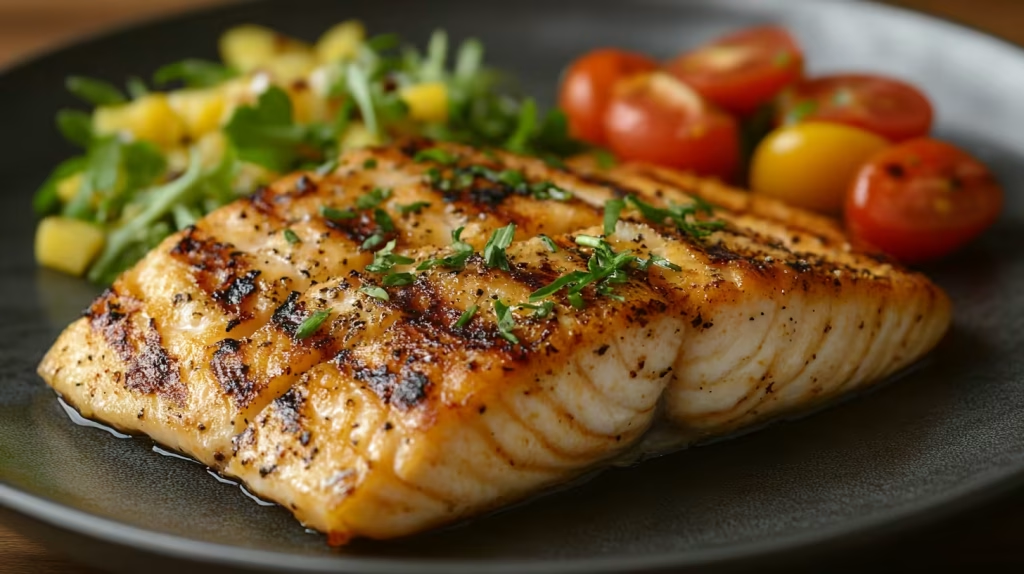
Fish is rich in omega-3, which helps reduce swelling and keeps the body healthy. Good choices are high in protein and low in fat. Examples include halibut and chicken.

Grilled fish fillet with fresh herbs, cherry tomatoes, and mixed greens served on a dark plate

Singer Invalidation Factors: Age discontinuities

As we age, our voices can change. It can affect pitch, loudness, and sound quality. The vocal cords also become more likely to dry out, which makes it harder to make sound. To keep your voice healthy, stay hydrated, maintain good vocal habits, and stay in good shape. If needed, see a doctor for advice.

Sleeping and What it Does for Vocal Health

Sleep is important for a healthy voice. It helps your body rest and heal. To sleep better, go to bed at the same time every night. Follow a relaxing bedtime routine. Make sure your room is comfortable.

Stress and Its Effect on Vocal Health

Stress can tighten throat muscles, making your voice hoarse or sore. To reduce stress, try relaxing activities, get good sleep, and stay active.

Good posture helps you breathe easily and project your voice. Stand tall, avoid slouching, and use proper breathing. Keeping your vocal cords healthy prevents a dry throat.

Vocal Health in Different Climates

Weather changes can affect your voice. To keep your voice healthy, drink plenty of water. Use a humidifier in dry places, and avoid singing in loud or smoky areas.

Infographic displaying key factors contributing to vocal health, including climate, posture, healthy foods, supplements, sleep, and hydration.


  • Singers should eat a balanced diet. They need fruits, vegetables, lean proteins, and whole grains. Drinking plenty of water is also important. This keeps the voice strong and clear.
  • Yes, supplements can help keep the voice healthy. Vitamin C, iron, zinc, and omega-3 are important. They support strong vocal cords and reduce swelling. Always ask a doctor before taking new supplements.
  • Singers should drink at least eight glasses of water daily. They may need more if they are very active or in a hot climate. Health conditions can also affect how much water they need.
  • Singers should avoid sugary drinks, spicy foods, dairy, and deli meats. Processed meats have too much salt and unhealthy fat. These can cause swelling and harm the voice.
A variety of fresh vegetable salads in wooden bowls, including cucumbers, tomatoes, and broccoli, on a wooden table.

Conclusion

A singer’s diet keeps their voice strong and clear. Eating the right foods and drinking enough water is important. Avoiding harmful foods also helps. This guide explains how a good diet keeps your voice powerful.

Call to Action

Want to sing with more strength and confidence? Start by eating healthy foods like fruits, vegetables, lean proteins, and healthy fats. Drink more water and cut back on sugary drinks, spicy foods, and dairy. If you need help, talk to a nutritionist or vocal coach for advice. Your voice is your instrument – take care of it and let it shine!

Frequently Asked Questions

Why is nutrition important for singers? Nutrition plays a crucial role in maintaining vocal health. A balanced diet helps prevent vocal strain, improves performance, and keeps the vocal cords healthy.

What are the key nutrients for vocal health? Key nutrients include vitamins (C, A, E, and B12), minerals (iron, zinc, magnesium), and omega-3 fatty acids. These nutrients support vocal cord health and reduce inflammation.

How much water should singers drink daily? Singers should aim to drink at least eight glasses of water daily. More may be needed depending on activity level, climate, and health conditions.

What are some hydration tips for singers? Drink water frequently throughout the day. Avoid dehydrating beverages like coffee, tea, and alcohol. Consume hydrating foods such as watermelons, cucumbers, and lettuce.

What fruits and vegetables are beneficial for vocal health? Citrus fruits (oranges, grapefruits, lemons) provide vitamin C. Leafy greens (spinach, kale) carry oxygen to the vocal cords. Berries (strawberries, blueberries) reduce inflammation with antioxidants.

What are good sources of protein for singers? Lean meats (chicken, turkey), fish rich in omega-3 fatty acids (salmon, mackerel), and legumes (lentils, beans).

What healthy fats support vocal health? Avocados, nuts, seeds, and olive oil are rich in monounsaturated fats and antioxidants, which reduce inflammation.

Katherine Dvoskin, Co-Founder of K&M Music School

Katherine Dvoskin, Co-Founder of K&M Music School

She is co-founder of K&M Music School in San Diego, is a passionate music educator with over 25 years of experience. She offers expert piano lessons in San Diego. At K&M Music School, we teach Piano, Violin, Cello, Saxophone, Bassoon, Harp, Voice, and Toddler group lessons. Katherine's blog shares insights on music education, covering topics from toddler music group lessons to adult music lessons. Whether you're seeking private music lessons or group music lessons for toddlers near you, welcome to K&M Music School.

Leave a comment