Are Music Competitions Beneficial for Young Musicians?

Katherine Dvoskin, Co-Founder of K&M Music School
I hope you enjoy this blog post! If you're interested in scheduling a free trial lesson, just click.
Author: Katherine Dvoskin | Co-Founder of K&M Music School
Published December 28th, 2024

Music competitions: Are these intense events benefiting young musicians or adding unnecessary stress? This guide explores the pros and cons.
Common among young musicians, these competitions help participants sharpen their skills, stay goal-oriented, and gain performance experience. However, critics argue that they may place undue pressure on children. This guide breaks down both the benefits and challenges of music competitions.
Set realistic goals. Prioritize growth over perfection. Maintain a healthy balance to thrive.
| Aspect | Benefits | Challenges |
|---|---|---|
| Skill Development | Encourages regular practice, improves technique | Risk of burnout from over-practicing |
| Performance Experience | Builds confidence, reduces stage fright | Can increase performance anxiety |
| Educational Opportunities | Workshops, masterclasses, networking | Time away from regular studies |
| Career Advancement | Scholarships, prizes, professional connections | Pressure to win may overshadow enjoyment |
| Personal Growth | Develops mental toughness, adaptability | Potential for unhealthy perfectionism |
Introduction to Music Competitions
In music competitions, musicians perform for judges. They are judged on skill, musicality, and emotional expression. Based on their performance, they may move to the next round. They might also get scores and feedback to compare with other performers.
Levels of Competition
- Local
- Regional
- State
- National
- International
The most prestigious competitions have competitive auditions just to qualify. Many offer scholarships and other prizes to top finalists.
The Debate on Music Competitions
Music competitions have become more common in recent years. People debate if they help or harm young musicians:
- Pros: Some think they are good for growth.
- Cons: Others worry they cause stress.
This is an important question for young musicians.
Benefits of Competitions
Competitions have many benefits:
- Encourage regular practice
- Provide performance experience
- Lead to advanced musical education
- Boost confidence and provide a rewarding experience
Drawbacks of Competitions
Competitions also have drawbacks:
- Can cause stress
- May take up too much time
- Can be very expensive
- Focusing too much on comparing talents is unhealthy
Young musicians need to stay balanced and have a positive mindset.

Types of Music Competitions
There are competitions for all instruments and styles of music. Some group participants by age and skill level to make judging fair. Others are open to all ages. Here are some of the main types of competitions.
- Piano competitions are very popular. Famous ones include the Van Cliburn Competition and the Chopin Competition in Warsaw. Many talented pianists compete in these events.
- Strings competitions are for instruments like violin, viola, cello, and bass. Violin is the most competitive. Famous competitions include the Menuhin Competition and the Tchaikovsky Competition. Many skilled musicians take part in these events.
- Woodwind, brass, and percussion competitions include many instruments. Flute, clarinet, trumpet, and timpani are common examples. Some competitions also have groups playing together. These events are a great way to show talent.
- Classical singing competitions focus on opera, lieder, and choral music. They also include art songs and chamber music. The Metropolitan Opera Auditions and the Cardiff Singer of the World are famous. These events showcase talented singers.
- Composition Competitions: Held for all instruments, styles, and levels of musicianship. Focuses solely on the creative process rather than performance ability.
Most areas have local and regional music competitions. Schools, studios, arts groups, and charities organize them. These competitions can lead to state and national levels. They are great for young musicians to start competing.
Concerto competitions are held by youth orchestras and colleges. The winner gets to play as a soloist with the orchestra. These competitions are a big opportunity for musicians.
Music competitions are for all kinds of musicians. They match different interests and skill levels. There are competitions for every stage of development. This means everyone can find one that fits them.
Motivation to Improve Skills
Competitions encourage regular and focused practice. Having a deadline gives young musicians a clear goal. This keeps them motivated to improve. Over time, this practice leads to big musical growth.
Establishing a Productive Practice Routine
Preparing for competitions involves dedicating time to carefully practice challenging pieces. Competition music is often more difficult than what students typically play, requiring them to develop more effective practice habits and refine their skills.
Teachers play a crucial role in this process by breaking down complex music into smaller, manageable sections. They guide students in tackling tricky rhythms, mastering fingerings, and improving articulation and phrasing, making the learning process smoother and less overwhelming.
Daily practice of competition pieces helps students build discipline and manage their time efficiently. Progress toward their goals not only enhances their skills but also boosts their confidence and instills a sense of accomplishment.
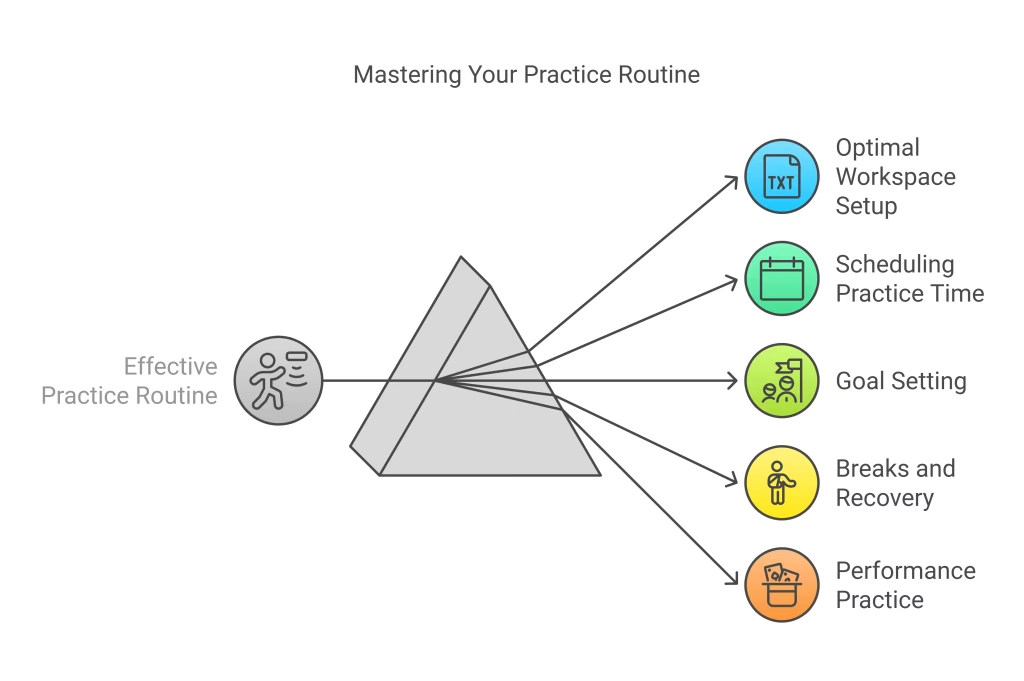
Here are some best practices for establishing an effective practice routine:
- Set up a quiet, consistent workspace with good lighting, posture, and instrument positioning
- Determine optimal times when feeling rested and focused
- Make a schedule to organize your practice time. Start with warm-ups to get ready. Then, work on the basics to build your skills. After that, practice your main pieces. Finally, review old pieces to keep them fresh.
- Set specific goals for each session and track progress
- Take regular breaks to maintain mental focus and prevent injury or overuse
- Perform pieces all the way through at tempo to train continuity and memorization
Developing Mental Toughness
- Building Mental Stamina
- Competing enhances mental strength by:
- Controlling nerves during high-pressure performances.
- Pushing through challenges to build grit and perseverance.
- Competing enhances mental strength by:
- Focus Through Memory
- Performing from memory teaches strong focus by:
- Tackling the challenge of playing long pieces without sheet music.
- Staying calm under pressure in front of judges.
- Preparing for high-stakes situations with confidence.
- Performing from memory teaches strong focus by:
- Adapting to Different Pieces
- Competitions challenge adaptability by:
- Requiring quick focus shifts between different musical styles.
- Preventing reliance solely on muscle memory.
- Encouraging faster thinking and flexibility in performance.
- Competitions challenge adaptability by:
- Lifelong Benefits
- These mental skills extend beyond music:
- Mental toughness.
- Strong focus.
- Perseverance.
- Adaptability.
- They are invaluable tools for success in life.
- These mental skills extend beyond music:
Gaining Performance Experience
Competitions help you practice effectively and gain performance experience. They are different from recitals. You play polished pieces in front of expert judges and big audiences. This makes you a better and more confident performer.
Overcoming Anxiety and Nerves
- Nerves Are Natural
- Even experienced musicians feel nervous before performing.
- Competitions provide opportunities to confront and manage anxiety, building confidence over time.
- Facing Fears
- Performing on stage helps young musicians:
- Get accustomed to their fears.
- Develop healthy ways to handle nerves with guidance from parents and teachers.
- Performing on stage helps young musicians:
- Practical Strategies
- Techniques to manage performance anxiety include:
- Breathing exercises.
- Positive self-talk.
- Mock performances.
- Recording and video reviews.
- Simulated competitions.
- Techniques to manage performance anxiety include:
- Transforming Anxiety
- With practice, nerves can evolve:
- From paralyzing fear to energizing excitement.
- Into a tool for better focus and performance.
- With practice, nerves can evolve:
- Lifelong Resilience
- Learning to perform confidently, even when scared:
- Builds emotional strength.
- Cultivates resilience for challenges beyond music.
- Creates a safe space in competitions to grow emotionally.
- Learning to perform confidently, even when scared:

Music Lessons in San Diego with K&M Music School
Expert Music Lessons
We offer Piano, Violin, Cello, Saxophone, Bassoon, Harp, Voice, and Toddler group lessons for students of all ages and skill levels.
Why Choose Us?
- 🎶 Boosts focus and self-discipline
- 🎵 Strengthens cognitive skills
- 🎼 Enhances cultural understanding
- 🎤 Builds confidence through recitals and performances
We Welcome Adults Too!
Book Your Free Lesson NowReceiving External Feedback from Esteemed Adjudicators
- Invaluable Insights
- Judges provide detailed critiques on:
- Technique.
- Tone quality.
- Stylistic interpretation.
- Artistic choices.
- Judges provide detailed critiques on:
- Constructive Criticism
- Honest feedback helps musicians:
- Identify areas for improvement.
- Learn and grow by applying advice.
- Develop a calm and receptive attitude toward critique.
- Honest feedback helps musicians:
- Positive Reinforcement
- Adjudicators highlight successful aspects of performances, which:
- Boosts confidence.
- Encourages self-assessment and reflection.
- Adjudicators highlight successful aspects of performances, which:
- Perspective on Feedback
- Feedback reflects a single performance under pressure:
- It’s a snapshot, not a full picture of abilities.
- Use it as motivation to refine and improve skills.
- Feedback reflects a single performance under pressure:
- Growth Opportunity
- External feedback challenges young musicians:
- To evaluate themselves more effectively.
- To push their abilities to new heights.
- External feedback challenges young musicians:

Forging a Personal Musical Voice
As musicians get used to performing under pressure, they play with more feeling. Instead of just trying to impress judges, they focus on their style. This helps them develop their artistic voice.
With less concern for rankings, experienced competitors channel nerves into fueling creative expression. Their musical interpretations take on unique shapes informed by life experiences.
Performing personal or original music helps musicians connect with the audience. This builds their confidence and individuality. These skills often come from performing on stage. Competitions give the stage experience needed to grow in this way.
Educational and Social Opportunities
Competitions offer more than just performance experience. They also include workshops and masterclasses to learn from experts. You can meet important people in the music world. Traveling to big competitions gives young musicians more exposure and opportunities.
Workshops and Masterclasses
At competitions, famous musicians often hold workshops and masterclasses. They perform and also teach participants. These professionals share their knowledge with the next generation. It’s a great chance to learn from the best.
These sessions teach musicians how to improve their tone, technique, and style. They also help with telling stories through music. Learning from top artists gives inspiration. This motivates young musicians to be more creative.
Even watching other performers receive coaching during masterclasses exposes students to new ideas. Seeing how the adjudicators communicate feedback provides a template for their self-critiques.
Making Professional Connections
Making friends at competitions can help your music career. Talking to judges, teachers, and other musicians opens doors. These connections help you enter the music world. They can have lasting benefits.
Meeting other musicians helps build strong friendships. Younger students feel inspired by watching older competitors. These interactions show the importance of community and teamwork. They also teach how to support and encourage each other.
Potential Scholarships
Many competitions give scholarships and prizes to top winners. The prizes can be hundreds or even thousands of dollars. These scholarships help pay for education. They are a big benefit for young musicians.
Some competitions have age limits for performers. But many are open to musicians of all ages. Some groups also have different competitions for instruments and categories. This gives everyone a chance to participate.
A few examples of the largest scholarship prizes include:
- The Cliburn Competition is a prestigious piano competition that awards over $265,000 in total cash prizes. The gold medalist receives a cash prize of $100,000 along with extensive career support, including concert bookings and artistic management worth over $1 million.
- The Stulberg International String Competition is open to string players and offers a top prize of $10,000, along with performance opportunities with the Kalamazoo Symphony Orchestra and the Baltimore Chamber Orchestra. The silver medalist receives $7,000, and the bronze medalist gets $5,000.
- The Fischoff National Chamber Music Competition awards a grand prize of $15,000 to the winning ensemble. In addition to the cash prize, winners receive concert opportunities, including performances at festivals.
- The National Trumpet Competition offers substantial prizes across various categories. For example, the high school solo category awards $2,000 for first place, while the undergraduate solo category awards $3,000.
- The Flute New Music Consortium Composition Competition provides a cash prize of $800 to the winner. This competition promotes new music for flute and encourages composers through commissions and performances.
Check the rules for each competition. Most scholarships can help pay for tuition and other school costs. You can use them at your chosen university or conservatory. This makes competing worth it, even if you don’t plan to do music full-time.

Countering Stress and Anxiety
Competitions encourage practice, give stage experience, and offer education opportunities. But they also bring stress. The high pressure affects performers, parents, and teachers. It’s important to balance the good and the challenges.
Imposter Syndrome
- Impact of Over-Focusing on Winning
- Musicians overly concerned with results may:
- Feel discouraged if they don’t perform well.
- Lose confidence in their abilities.
- Key Takeaway: Focus on personal growth and improvement, not just outcomes.
- Musicians overly concerned with results may:
- Dangers of Comparison
- Constantly comparing yourself to others can lead to:
- Doubting your talent.
- Misinterpreting scores, as they reflect:
- A variety of judging criteria.
- A single performance, not overall ability.
- Constantly comparing yourself to others can lead to:
- Building Internal Confidence
- Confidence should come from within, not rankings:
- Stay motivated by personal goals.
- Celebrate individual progress and achievements.
- Confidence should come from within, not rankings:
- Importance of Support
- Encouragement from:
- Family.
- Friends.
- Teachers.
- Encouragement from:
Result: Helps musicians remain resilient, focused, and positive.
The Pitfalls of Perfectionism
Competitions push musicians to improve but can lead to unhealthy perfectionism. While checking for mistakes helps growth, over-focusing on flaws creates negativity and frustration. Comparing progress to your past self, rather than perfection, fosters a healthier mindset.
Parents and teachers should set realistic goals, emphasize growth over results, and celebrate small achievements. Avoiding over-criticism helps maintain confidence and motivation.
Anxiety Management Strategies
1. Challenges of Over-Focusing on Winning
- Emotional Impact:
- Feelings of inadequacy if results don’t meet expectations.
- Decline in confidence despite hard work.
- Solution:
- Shift focus from winning to skill improvement and learning.
2. Pitfalls of Constant Comparison
- Negative Effects:
- Doubting one’s talent due to perceived gaps.
- Misinterpreting scores, which reflect:
- A snapshot of performance.
- Subjective criteria of judges.
- Key Reminder:
- Competition outcomes do not define overall ability or potential.
3. Building Internal Confidence
- Source of Confidence:
- Internal validation rather than external rankings.
- Staying motivated by achieving personal milestones.
- Approach:
- Celebrate small wins.
- Focus on growth rather than comparison.
4. Role of Support Systems
- Encouragement Matters:
- Support from family, friends, and teachers provides emotional stability.
- Outcome:
- Builds resilience and helps musicians maintain focus and positivity.
Avoiding Burnout and Over-Scheduling
Competing builds motivation and work ethic, but balance is important. Doing too many competitions along with school and hobbies can be too much. It can make you feel tired and burned out. That’s why it’s important to manage your time carefully.
Traveling for competitions takes time away from daily life. Spending too much time practicing alone can be hard on your mental health. Being away from friends and family can also affect your social growth. That’s why balance is so important.

Finding Sustainable Balance
Here are some tips for parents and music teachers. Help students look at their activities and decide what’s most important. Make sure to leave time for rest. This helps students stay happy and balanced.
Track Energy Levels
Keep notes about student fatigue, mood, focus, and enjoyment levels across different activities. Burnout creeps up slowly. Watch for changes signaling overload.
Build Downtime into Schedules
Ensure there is flexibility for schoolwork, family, and friend activities, and open-ended creative time. Scaffold harder practice sessions with easier ones.
Check-In on Motivation
Ask students why they enjoy playing their instrument. Make sure they still feel excited about it. If music starts to feel like work, try doing fewer competitions. This helps keep the joy of playing alive.
Limit Competition Registrations
Choose 2-3 competitions each year that match your skill level. Pick the ones that give the most benefits. Focus on doing well in a few, not many. Remember, practicing regularly is more important than practicing too much at once.
Minimize Travel Time
When possible, avoid competitions that require significant travel time on top of participation. Being away from normal support networks is draining.
Having a balanced schedule is important. It helps prevent health problems and burnout. It also keeps you from feeling frustrated with music later. A good schedule makes music more enjoyable in the long term.
Problems with Comparing Musical Talents
Music competitions compare skill levels. Scores and rankings show how performers did. But they don’t always capture the emotions or details in the music. This makes it important to focus on the performance, not just the score.
Many students base their self-worth on competition results. They care too much about beating others. This can take attention away from their own growth. It’s important to focus on personal improvement instead.
Subjective Judging
1. The Limits of Scoring Artistic Expression
- Challenge:
- No exact formula exists to judge emotional performances.
- Turning artistic expression into scores is inherently limited.
- Key Insight:
- Scores don’t fully capture the depth or nuance of a performance.
2. Factors Judges Consider
- Technical Elements:
- Skills like tone quality and musicality.
- Complexity and execution of the music.
- Artistic Aspects:
- Emotional delivery and stage presence.
- Interpretation of the piece.
3. Subjectivity in Judging
- Why It Happens:
- Judges’ personal preferences and experiences shape their evaluations.
- The same performance might receive different feedback from different judges.
- Implication:
- Ranking “best” versus “worst” often becomes arbitrary.
4. The Human Side of Music
- Potential Pitfall:
- Overemphasis on scores can overshadow the emotional and creative aspects.
- Takeaway:
- Music is about more than points or ratings; it’s about connection and artistry.
Music Lessons in San Diego with K&M Music School
Expert Music Lessons
We offer Piano, Violin, Cello, Saxophone, Bassoon, Harp, Voice, and Toddler group lessons for students of all ages and skill levels.
Why Choose Us?
- 🎶 Boosts focus and self-discipline
- 🎵 Strengthens cognitive skills
- 🎼 Enhances cultural understanding
- 🎤 Builds confidence through recitals and performances
We Welcome Adults Too!
Book Your Free Lesson NowConclusion
Music competitions can be valuable for young musicians, offering opportunities for growth, performance experience, and educational advancement. However, maintaining balance, managing stress, and focusing on personal development over rankings are essential for long-term success and enjoyment in music.
Call to Action
Are you ready to take your musical journey to the next level? Choose competitions that align with your goals, focus on progress, and enjoy the learning process. Always remember—music is about expressing yourself, not just winning trophies. Sign up for a free trial lesson.
Frequently Asked Questions
What are some well-known music competitions?
Prestigious music competitions include the Van Cliburn International Piano Competition, the Menuhin Competition for strings, and the Metropolitan Opera National Council Auditions.
What educational opportunities do competitions offer?
Competitions often include workshops, masterclasses, and networking opportunities with professional musicians, providing valuable learning experiences.
How can you help musicians cope with competition anxiety?
Encourage positive self-talk, use breathing exercises, simulate performance settings, and focus on preparation to manage nerves effectively.
Why is finding balance important for young musicians?
Over-scheduling can lead to burnout and decreased enthusiasm for music. Prioritizing rest and setting realistic goals helps sustain passion and progress.
What’s wrong with comparing musical talents?
Music is subjective, and competition results don’t always reflect a musician’s true potential. Focus on personal growth and self-expression instead.
How can mindset impact competition outcomes?
Approaching competitions with a growth mindset fosters resilience and motivation. View feedback as a tool for improvement rather than as a judgment of worth.
When should you reevaluate a student’s involvement with competitions?
If competitions cause excessive stress or diminish the joy of playing, it’s time to scale back and focus on enjoying music.
Katherine Dvoskin, Co-Founder of K&M Music School
She is co-founder of K&M Music School in San Diego, and is a passionate music educator with over 25 years of experience. She offers expert piano lessons in San Diego. At K&M Music School, we teach Piano, Violin, Cello, Saxophone, Bassoon, Harp, Voice, and Toddler group lessons. Katherine's blog shares insights on music education, covering topics from toddler music group lessons to adult music lessons. Whether you're seeking private music lessons or group music lessons for toddlers near you, welcome to K&M Music School.