
How to Tune a Harp: Step-by-Step Guide for Beginners

Katherine Dvoskin, Co-Founder of K&M Music School

Katherine Dvoskin, Co-Founder of K&M Music School

I hope you enjoy this blog post! If you're interested in scheduling a free trial lesson, just click.
Author: Katherine Dvoskin | Co-Founder of K&M Music School
Published March 14th, 2025

Learning harp skills with a focused harpist at K&M Music School

Learn how to tune a harp like a pro with our step-by-step guide. Discover essential tools, techniques, and tips for beginners. Perfect your sound today!

Tuning a harp is important for a good sound. This guide will show you how to tune your harp step by step. It’s perfect for beginners. Whether you’re just starting or want to improve, this guide covers everything you need. Let’s get started and learn how to tune your harp!

Harp Type Tuning Essentials Key Steps
Lever Chromatic tuner, tuning wrench Adjust levers, tune each string
Pedal Tuning key, string winder Set pedals, tune strings individually
Folk Reference pitch (piano/app) Tune to specific scale (e.g., pentatonic)

Understanding the Harp

What is a Harp?

A harp is a string instrument that has been around for over 4,000 years. It has a unique sound and is popular with musicians. There are different types of harps, like lever harps, pedal harps, and folk harps. Each type has its sound and features.

Tuning a harp is important for the best sound. A well-tuned harp has a clear, beautiful tone. On the other hand, a poorly tuned harp sounds dull and out of tune. This can ruin the music experience.

Why Tune a Harp?

Tuning a harp means adjusting the strings to the right pitch. It also makes sure the strings are in harmony with each other. A well-tuned harp sounds better and is easier to play. This helps create beautiful melodies and harmonies.

Tuning a harp keeps it in good condition. Regular tuning helps prevent strings from breaking. It also helps you find any problems with the harp before they get worse. This keeps your harp lasting longer and sounding good.

Katherine and Michael Dvoskin - Founders of K&M Music School

Music Lessons in San Diego with K&M Music School

1 Expert Music Lessons

We offer Piano, Violin, Cello, Guitar, Ukulele, Saxophone, Bassoon, Harp, Voice, and Toddler group lessons for students of all ages and skill levels.

2 Why Choose Us?

  • 🎶 Boosts focus and self-discipline
  • 🎵 Strengthens cognitive skills
  • 🎼 Enhances cultural understanding
  • 🎤 Builds confidence through recitals

3 We Welcome Adults Too!
Book Your Free Lesson Now

Gathering Necessary Tools

Tools You Need

To tune a harp effectively, you will need a few essential tools. Here is a list of tools you might need, depending on the type of harp you have:

  • Chromatic Tuner: A chromatic tuner is an essential tool for tuning a harp. It allows you to tune each string to the correct pitch accurately.
  • Tuning Wrench or Key: A tuning wrench or key is used to adjust the tension of the strings. It comes in various sizes to fit different harp models.
  • A string winder helps you wind the strings tightly and evenly. It makes tuning easier and faster.

  • Pencil and Eraser: A pencil and eraser can be used to mark the strings and ensure they are tuned correctly.
  • A tuning guide or app shows the right pitches for each string. It makes tuning easier.

Preparation

Before tuning your harp, prepare your instrument and workspace. This will help you tune properly. Here are some tips to get ready:

  • Set Up the Harp: Place the harp on a stable surface, such as a music stand or a table. Ensure that the harp is secure and won’t move during the tuning process.

Find a quiet place to tune your harp. Avoid distractions like TVs or radios. This helps you focus better. Next, gather your tools. Having everything ready saves time and helps you tune properly.

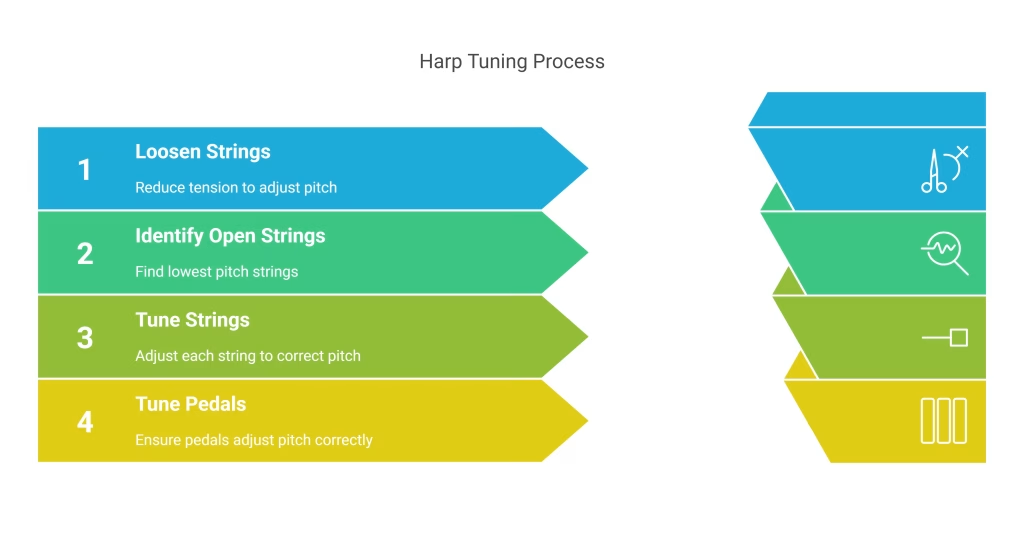
Step-by-step guide for tuning a harp at K&M Music School, including loosening strings, identifying open strings, tuning strings, and adjusting pedal pitch

Tuning the Harp

Step 1: Loosen the Strings

The first step in tuning a harp is to loosen the strings. This allows you to adjust the tension and bring the strings to the correct pitch. Here’s how to do it:

  • Use a tuning wrench. Turn it counterclockwise to loosen the string. Loosen the strings slowly to avoid snapping them. If a string breaks, you may need to replace it.
  • Consistent Tension: Ensure that all strings are loosened to the same degree. This will make the tuning process easier and more accurate.

Step 2: Identify the Open Strings

Identifying the open strings is the next step in tuning a harp. The open strings are the strings that produce the lowest pitches when played. Here’s how to find them:

  • Use a Tuner: Play each string one at a time and use a chromatic tuner to identify the pitch. The open strings will have the lowest pitches on the harp.
  • Use a reference pitch if you don’t have a tuner. You can use a tuning fork or a piano to find the right pitch for each string.
  • Mark the Strings: Once you’ve identified the open strings, mark them with a pencil. This will help you keep track of them during the tuning process.

Step 3: Tune the Strings

Now that you’ve identified the open strings, it’s time to tune them. Here’s how to do it:

  • Start with the lowest string. Use a chromatic tuner to tune each string. Turn the tuning peg clockwise to tighten, and counterclockwise to loosen.
  • Consistent Pitch: Ensure that all strings are tuned to the same pitch. This will create a balanced and harmonious sound.
  • Check the Pitch: After tuning a string, play it and use the tuner to check the pitch. If it’s not correct, adjust the tension and try again.

Step 4: Tune the Pedals

If your harp has pedals, tuning them is an essential part of the tuning process. Here’s how to do it:

  • Identify the Pedals: Pedals are located at the base of the harp. They are used to change the pitch of the strings.
  • Adjust the Pedals: Use the pedals to adjust the pitch of the strings. Each pedal will change the pitch of a specific set of strings.
  • Consistent Pitch: Ensure that all pedals are adjusted to the same pitch. This will create a balanced and harmonious sound when the pedals are used.
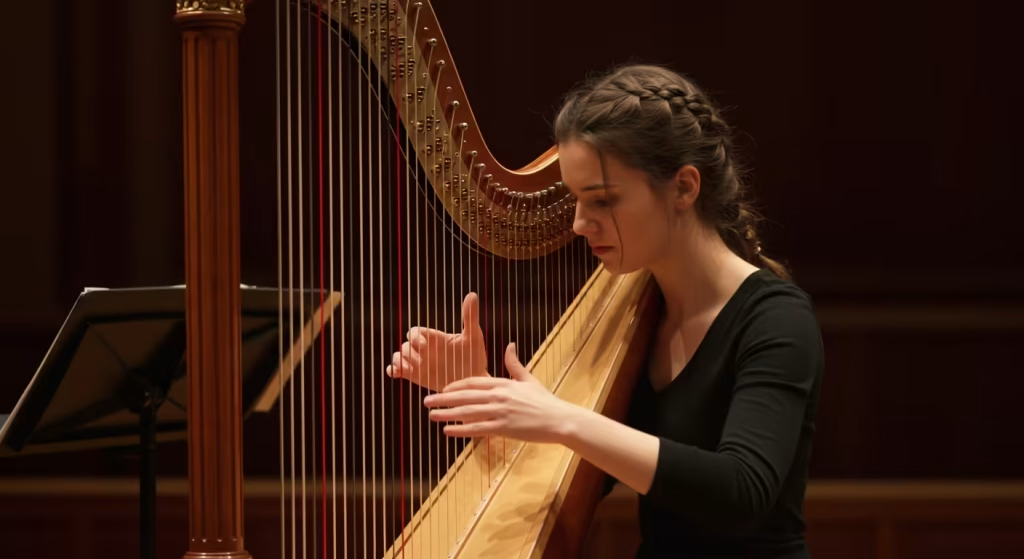
Harp performance by a skilled harpist at K&M Music School during a concert.

Fine-Tuning and Maintenance

Fine-Tuning Tips

Fine-tuning is an essential part of the tuning process. Here are some tips to help you fine-tune your harp:

  • Adjust the Tension: Use the tuning wrench to adjust the tension of the strings. This will help you achieve the correct pitch and create a balanced sound.
  • Tune your harp every time you play. This helps keep the strings from breaking or getting damaged. Regular tuning also helps your harp last longer.
  • Listen to the Sound: Pay attention to the sound of the harp as you tune it. This will help you identify any strings that are out of tune and adjust them accordingly.

Common Issues and Solutions

Tuning a harp can be tricky, especially for beginners. Here are some common problems and ways to fix them.

  • Strings Snapping: If a string snaps while you’re tuning it, you may need to replace it. This is a common issue, especially with new strings.
  • If a string isn’t tightening, try adjusting the tuning peg. It could also be a broken string. If that’s the case, you may need to replace it.
  • Strings Not Loosening: If a string is not loosening, you may need to adjust the tuning peg or replace the string. This is often caused by a damaged tuning peg or a broken string.

Additional Tips for Beginners

Practice and Patience

Tuning a harp is a skill that improves with practice. Here are some tips to help you build your tuning skills:

  • Practice Regularly: The more you practice tuning your harp, the better you’ll become at it. Set aside time each week to practice tuning your harp.
  • Be Patient: Don’t rush the tuning process. Take your time and adjust the strings gradually to avoid snapping them.
  • Ask for Help: If you’re having trouble tuning your harp, don’t hesitate to ask for help. There are many resources available online and in person that can help you learn how to tune a harp.

Seeking Help

If you’re having trouble tuning your harp, there are many resources to help. Here are some tips to find help:

  • Online Resources: There are many online resources available to help you learn how to tune a harp. Websites, videos, and apps can provide you with step-by-step instructions and tips.
  • Local music schools can help you tune your harp. The staff know a lot and can give you advice. They may also have tools and resources to help you learn.
  • Online communities, like forums and social media, can help you learn to tune a harp. You can ask questions, share tips, and learn from others.
Katherine and Michael Dvoskin - Founders of K&M Music School

Music Lessons in San Diego with K&M Music School

1 Expert Music Lessons

We offer Piano, Violin, Cello, Guitar, Ukulele, Saxophone, Bassoon, Harp, Voice, and Toddler group lessons for students of all ages and skill levels.

2 Why Choose Us?

  • 🎶 Boosts focus and self-discipline
  • 🎵 Strengthens cognitive skills
  • 🎼 Enhances cultural understanding
  • 🎤 Builds confidence through recitals

3 We Welcome Adults Too!
Book Your Free Lesson Now

Harp Types and Their Tuning Differences

Lever Harps

Lever harps are one of the most popular types of harps. They are known for their portability and ease of use. Here are some tips for tuning a lever harp:

  • Identify the Levers: Lever harps have levers on the side that are used to change the pitch of the strings.
  • Adjust the Levers: Use the levers to adjust the pitch of the strings. Each lever will change the pitch of a specific set of strings.
  • Consistent Pitch: Ensure that all levers are adjusted to the same pitch. This will create a balanced and harmonious sound when the levers are used.

Pedal Harps

Pedal harps are larger and more complex than lever harps. They have pedals at the base that are used to change the pitch of the strings. Here are some tips for tuning a pedal harp:

  • Identify the Pedals: Pedal harps have pedals at the base that are used to change the pitch of the strings.
  • Adjust the Pedals: Use the pedals to adjust the pitch of the strings. Each pedal will change the pitch of a specific set of strings.
  • Consistent Pitch: Ensure that all pedals are adjusted to the same pitch. This will create a balanced and harmonious sound when the pedals are used.

Folk Harps

Folk harps are smaller and simpler than lever and pedal harps. They are often used for folk music and have a unique sound. Here are some tips for tuning a folk harp:

  • Identify the Strings: Folk harps have fewer strings than lever and pedal harps. They are often tuned to a specific scale, such as the pentatonic scale.
  • Use a chromatic tuner to set each string to the right pitch. Turn the tuning peg clockwise to tighten the string, or counterclockwise to loosen it.

  • Consistent Pitch: Ensure that all strings are tuned to the same pitch. This will create a balanced and harmonious sound.

Tuning Techniques for Different Harp Sizes

Small Harps

Small harps, such as folk harps, are easier to tune than larger harps. Here are some tips for tuning a small harp:

  • Use a Chromatic Tuner: A chromatic tuner is an essential tool for tuning a small harp. It allows you to tune each string to the correct pitch accurately.
  • Loosen the Strings: Loosen the strings gradually to avoid snapping them. If a string snaps, you may need to replace it.
  • Start with the lowest string. Use the chromatic tuner to tune it. Turn the peg clockwise to tighten, or counterclockwise to loosen. Repeat for each string.

Medium Harps

Medium harps, such as lever harps, require a bit more care when tuning. Here are some tips for tuning a medium harp:

  • Use a Tuning Wrench: A tuning wrench is an essential tool for tuning a medium harp. It allows you to adjust the tension of the strings accurately.
  • Loosen the Strings: Loosen the strings gradually to avoid snapping them. If a string snaps, you may need to replace it.
  • Start with the lowest string. Use the chromatic tuner to match the correct pitch. Turn the peg clockwise to tighten the string. Turn it counterclockwise to loosen the string. Repeat for each string.

Large Harps

Large harps, such as pedal harps, require the most care when tuning. Here are some tips for tuning a large harp:

  • Use a Tuning Key: A tuning key is an essential tool for tuning a large harp. It allows you to adjust the tension of the strings accurately.
  • Loosen the Strings: Loosen the strings gradually to avoid snapping them. If a string snaps, you may need to replace it.
  • Start with the lowest string. Use a chromatic tuner to match the pitch. Turn the tuning peg clockwise to tighten. Turn it counterclockwise to loosen. Repeat for each string.

Advanced Tuning Techniques

Using a Tuning Guide or App

A tuning guide or app shows the correct pitches for each string. This makes tuning easier. Here are some tips for using one:

  • Download the App: Download a tuning guide or app to your smartphone or tablet. There are many apps available that can help you tune your harp.
  • Follow the Instructions: Follow the instructions in the app to tune each string. The app will provide you with the correct pitch for each string.
  • Check the Pitch: After tuning a string, play it and use the app to check the pitch. If it’s not correct, adjust the tension and try again.
Harp teacher guiding a student on advanced harp techniques at K&M Music School

Using a Reference Pitch

If you don’t have a tuner, you can use a reference pitch to tune your harp. Here are some tips for using a reference pitch:

  • Find a Reference Pitch: Find a reference pitch, such as the pitch of a tuning fork or a piano. This will serve as a reference point for tuning your harp.
  • Start with the lowest string. Use the reference pitch to tune each string. Turn the tuning peg clockwise to tighten and counterclockwise to loosen the string.
  • Check the Pitch: After tuning a string, play it and use the reference pitch to check the pitch. If it’s not correct, adjust the tension and try again.

Using a Piano

A piano can also be used as a reference pitch for tuning your harp. Here are some tips for using a piano:

  • Find a reference pitch, like middle C on the piano. Use this pitch to help tune your harp.
  • Start with the lowest string. Use the reference pitch to tune it. Turn the tuning peg clockwise to tighten the string. Turn it counterclockwise to loosen the string.
  • Check the Pitch: After tuning a string, play it and use the reference pitch to check the pitch. If it’s not correct, adjust the tension and try again.

Troubleshooting Common Tuning Issues

Strings Snapping

If a string snaps while you’re tuning it, you may need to replace it. Here are some tips for preventing strings from snapping:

  • Loosen the Strings Gradually: Loosen the strings gradually to avoid snapping them. If a string snaps, you may need to replace it.
  • Use a string winder to wind the strings evenly. This helps keep the strings secure and prevents them from snapping.
  • Check the Strings: Check the strings for any signs of damage or wear. If a string is damaged, you may need to replace it.

Strings Not Tightening

If a string is not tightening, you may need to adjust the tuning peg or replace the string. Here are some tips for troubleshooting strings that are not tightening:

  • Check the Tuning Peg: Check the tuning peg to ensure it is not damaged or stuck. If the tuning peg is damaged, you may need to replace it.
  • Use a Tuning Wrench: Use a tuning wrench to adjust the tension of the strings. This can help you achieve the correct pitch and create a balanced sound.
  • Check the String: Check the string for any signs of damage or wear. If the string is damaged, you may need to replace it.

Strings Not Loosening

If a string is not loosening, you may need to adjust the tuning peg or replace the string. Here are some tips for troubleshooting strings that are not loosening:

  • Check the Tuning Peg: Check the tuning peg to ensure it is not damaged or stuck. If the tuning peg is damaged, you may need to replace it.
  • Use a Tuning Wrench: Use a tuning wrench to adjust the tension of the strings. This can help you achieve the correct pitch and create a balanced sound.
  • Check the String: Check the string for any signs of damage or wear. If the string is damaged, you may need to replace it.

Caring for Your Harp

Regular Maintenance

Regular maintenance is crucial for keeping your harp in good condition. Here are some tips for regular harp maintenance:

  • Tune Regularly: Tune your harp every time you play it. This will help prevent strings from breaking or becoming damaged.
  • Clean Regularly: Clean your harp regularly to remove any dirt or dust. This can help prevent damage to the instrument.
  • Store Properly: Store your harp properly when you’re not using it. This can help prevent damage to the instrument.

Cleaning Your Harp

Cleaning your harp is an essential part of regular maintenance. Here are some tips for cleaning your harp:

  • Use a Soft Cloth: Use a soft cloth to wipe down the harp. This can help remove any dirt or dust without damaging the instrument.
  • Avoid Water: Avoid using water to clean your harp. Water can damage the instrument and cause it to rust.
  • Check for Damage: Check the harp for any signs of damage or wear. If you find any damage, address it immediately.

Storing Your Harp

Storing your harp properly is crucial for keeping it in good condition. Here are some tips for storing your harp:

  • Use a Harp Case: Use a harp case to store your harp when you’re not using it. This can help protect the instrument from damage.
  • Keep it Dry: Keep your harp in a dry place. Humidity can damage the instrument and cause it to rust.
  • Avoid Extreme Temperatures: Avoid storing your harp in extreme temperatures. Extreme temperatures can damage the instrument and cause it to warp.
Katherine and Michael Dvoskin - Founders of K&M Music School

Music Lessons in San Diego with K&M Music School

1 Expert Music Lessons

We offer Piano, Violin, Cello, Guitar, Ukulele, Saxophone, Bassoon, Harp, Voice, and Toddler group lessons for students of all ages and skill levels.

2 Why Choose Us?

  • 🎶 Boosts focus and self-discipline
  • 🎵 Strengthens cognitive skills
  • 🎼 Enhances cultural understanding
  • 🎤 Builds confidence through recitals

3 We Welcome Adults Too!

Book Your Free Lesson Now

Conclusion

Tuning a harp is an essential skill for any harpist, whether you’re a beginner or an experienced player. By following this step-by-step guide, you’ve learned the importance of tuning, the tools you need, and the techniques to achieve a perfectly tuned harp. Regular tuning not only enhances the sound quality but also extends the lifespan of your instrument. Remember, practice and patience are key to mastering the art of tuning.

Call to Action

Ready to perfect your harp’s sound? Gather your tools, find a quiet space, and start tuning your harp today. If you encounter any challenges, don’t hesitate to seek help from online resources, local music stores, or fellow harpists. With consistent practice, you’ll soon be tuning your harp like a pro. Happy tuning! Sign up for a free trial lesson

FAQs

What tools do I need to tune a harp?

To tune a harp, you need a chromatic tuner, tuning wrench, string winder, pencil, eraser, and a tuning guide or app. These tools help you tune the harp correctly.

How often should I tune my harp?

Tune your harp every time you play. Regular tuning helps prevent broken or damaged strings. This will keep your harp in good shape for longer.

What if a string snaps while I’m tuning it?

If a string snaps while you’re tuning it, you may need to replace it. This is a common issue, especially with new strings.

Can I tune my harp without a tuner?

You can tune a harp without a tuner by using a reference pitch, like a tuning fork or piano. However, using a chromatic tuner is easier and more accurate. It helps you tune the harp more precisely.

What if I’m having trouble tuning my harp?

If you’re having trouble tuning your harp, don’t hesitate to ask for help. There are many resources available online and in person that can help you learn how to tune a harp.

How do I know if my harp is in tune?

You can use a chromatic tuner to check if each string is in tune. The tuner will display the pitch of the string, and you can adjust the tension until the pitch is correct.

What should I do if my harp is out of tune?

If your harp is out of tune, tune it right away. The longer it stays out of tune, the more likely it is to have problems, like broken strings or damaged tuning pegs.


Katherine Dvoskin, Co-Founder of K&M Music School

Katherine Dvoskin, Co-Founder of K&M Music School

She is co-founder of K&M Music School in San Diego, is a passionate music educator with over 25 years of experience. She offers expert piano lessons in San Diego. At K&M Music School, we teach Piano, Violin, Cello, Saxophone, Bassoon, Harp, Voice, and Toddler group lessons. Katherine's blog shares insights on music education, covering topics from toddler music group lessons to adult music lessons. Whether you're seeking private music lessons or group music lessons for toddlers near you, welcome to K&M Music School.

Leave a comment