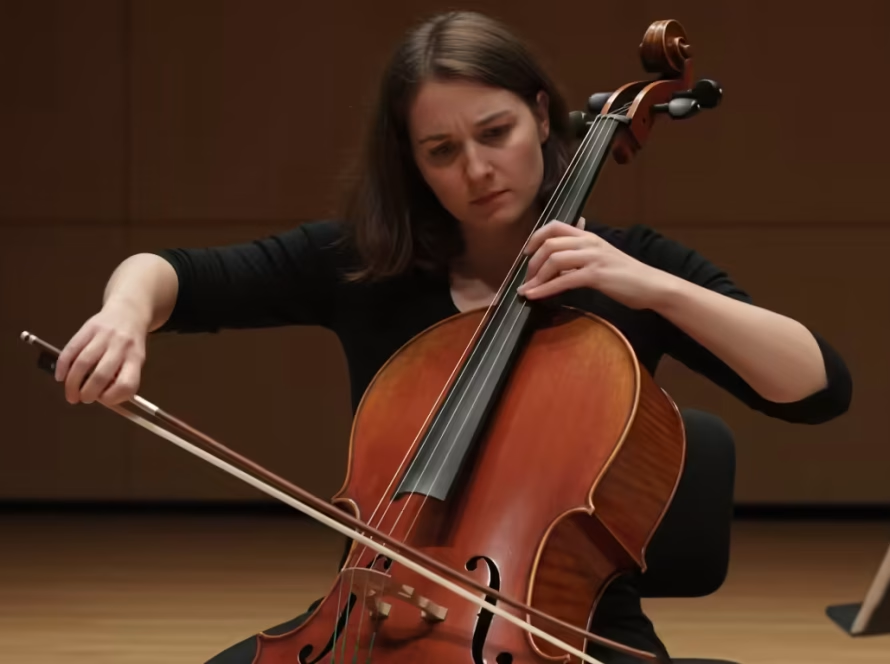
Proper Posture is Key for Cello Players

Katherine Dvoskin Co Founder of K&M Music School
I hope you enjoy this blog post! If you're interested in scheduling a free trial lesson, just click.
Author: Katherine Dvoskin | Co-Founder of K&M Music School
Published September 27th , 2024

Cello posture: Key to injury prevention and sound quality. Learn proper alignment techniques. Boost your playing with these expert tips.
When I was a middle school cellist, my teacher always said, “Shoulders down, sit up straight, relax your neck!” It felt annoying, but good posture is really important. It helps prevent injuries and improves your sound. Whether you’re just starting or are a pro, you should always focus on your posture.
| Posture Elements | Common Issues | Solutions |
|---|---|---|
| Feet & Legs | Crossed ankles, locked knees | Hip-width stance, soft knees |
| Core & Back | Slouching, collapsing sternum | Engage abs, lift chest |
| Shoulders & Arms | Tension, raised shoulders | Relax, keep arms close |
| Head & Neck | Forward jutting, craning | Balanced head, peripheral vision |
| Hands & Wrists | Gripping, bent wrists | Gentle hold, neutral wrists |
Listen to Our Podcast
If you’d like to learn more about Proper Posture is Key for Cello Players, tune into our podcast where we share expert tips and insights. Check it out on our YouTube channel and elevate your music journey today!
Why Posture Matters for Cellists
Posture impacts nearly all aspects of cello playing:
Prevents Injuries
Good posture helps prevent injuries. It lowers the risk of both short-term and long-term problems. Poor posture can lead to injuries like tendonitis or pinched nerves. These injuries can make it hard to play. For more on preventing common cello injuries, check out common pizzicato problems for cellists and how to fix them.
Improves Sound Production
Good posture helps you produce better sound. It allows your body to move freely. This freedom helps create a strong and clear tone. Collapsing or slouching hinders vibration. Learn more about the rich warm sounds of the cello.
Enhances Technique
To improve your technique, you need good posture. This helps you play higher notes and use complex bow techniques. Good posture helps you improve your skills. Tension or misalignment can slow down your progress. So, focus on staying relaxed and aligned! For tips on perfecting your posture and hand technique on cello.
Cellists face unique challenges because of the cello’s size and position. It’s important to check and adjust your posture, no matter how skilled you are. Let’s look at common posture mistakes for cellists and how to improve your alignment.

Music Lessons in San Diego with K&M Music School
Expert Music Lessons
We offer Piano, Violin, Cello, Saxophone, Bassoon, Harp, Voice, and Toddler group lessons for students of all ages and skill levels.
Why Choose Us?
- 🎶 Boosts focus and self-discipline
- 🎵 Strengthens cognitive skills
- 🎼 Enhances cultural understanding
- 🎤 Builds confidence through recitals and performances
We Welcome Adults Too!
Book Your Free Lesson NowCommon Posture Problems for Cellists
Many posture issues arise from the cello’s size and orientation. Being aware of these common misalignments is the first step toward correcting them:
Slouching Shoulders
The cello is heavy, which can make cellists slouch their shoulders. This is not a good way to hold the instrument. Finding a better way to support the cello is important. Slouching can squeeze the ribcage and make it hard to breathe. Over time, this can hurt the muscles in your back, neck, and shoulders. It may even lead to chronic pain.
To counteract, be vigilant about dropping shoulders down and back to open the chest. Periodically roll shoulders up, back, and down to reset alignment.
Collapsing Sternum
Cellists often lean forward to see the strings. This slouching can misalign the spine and pinch the shoulders. The cello is heavy, which makes this posture worse. It’s not a good way to hold the instrument. Finding a better way to support the cello is important.
Make an effort to lift through the sternum keeping the heart space open. If you see your chest collapsing, sit up taller. Use your core muscles to support your upper body.

Gripping Cello Tightly Between Knees
Squeezing the cello too tightly with your knees can cause tension. This tension restricts the cello’s vibrations. Hold the cello gently to get a better sound. This also means you need to use your inner thighs and knees. They help support the instrument. Keep your muscles engaged while playing! Over the years, this has contributed to fatigue and strain.
- Relax your thighs while sitting.
- Let the cello rest on your lower ribs.
- Use your core strength to support it instead of gripping it tightly.
This will help you play better! Periodically release knees wider to relieve tension.
Curling Wrists Inward
Bending your wrists down toward the fingerboard can cause problems over time. It can lead to tendonitis or carpal tunnel syndrome. To avoid these issues, keep your wrists straight while playing. This keeps your hands healthy. The median nerve in your wrist can get pressed if you aren’t careful.
- Maintain neutral wrists with gentle microbeads when needed.
- Stretch wrists pre and post-playing by extending palms forward and back.
- Consider wrist braces to reinforce straight alignment.
Jutting Head Forward
Leaning your head forward to see the fingerboard can hurt your neck and shoulders. Over time, this can strain your muscles. Hold the cello gently to get a better sound. This also means you need to use your inner thighs and knees. They help support the instrument. Keep your muscles engaged while playing! Over time, this can strain your muscles. It’s important to keep your head in a good position while playing. This helps avoid pain and keeps you comfortable.
- Sit tall through the spine allowing the head to balance lightly on top.
- Position the music stand lower or further right so you don’t need to crane your neck down.

Elements of Proper Cello Posture
So what does efficient cello posture actually look like? Here are the key elements:
Feet Placement
- Place both feet flat on the floor about hip-width apart to ground the body.
- Avoid crossing ankles or legs which rotates the pelvis.
Standing with your feet hip-width apart gives you a strong base for good posture. Your feet help carry vibrations from the floor into your body. This helps you resonate with the instrument better.
- Turn your feet slightly outward. Make sure your weight is spread evenly on the three pads of your feet. This will help you stay balanced.
Knee and Hip Alignment
- Soften knees over toes without locking or hyperextending.
- Keep hips and shoulders square to avoid rotation.

When your knees align with your toes, it helps keep your hips and ankles in the right position. This alignment helps support your back. Keeping your knees slightly bent also allows for easier movement.
Hip and shoulder alignment minimizes twisting. Facing straight ahead allows freedom of motion for the bow arm facility.
Core Engagement
- Maintain equal space between ribs and hips to support the back.
- Engage lower abdominals to keep the ribcage lifted.
Activating your core helps you keep good posture. Cellists often lean forward to see the strings. This slouching can misalign the spine and pinch the shoulders. The cello is heavy, which makes it worse. It’s not a good way to hold the instrument. You need to find a better way to support the cello. Good support keeps your back strong. Make sure your shoulders are right above your hips.
Lift your sternum and use your lower core instead of just sucking in your abs.
This helps lengthen your entire spine, creating space between vertebrae.
Shoulder and Neck Positioning
- Keep shoulders down and centered over hips.
- Allow the head to balance lightly on top of the spine.
Centering shoulders over hips minimizes strain. Dropping your shoulders down and back helps open your chest. This also reduces tension in your upper trapezius muscles. This makes you feel more relaxed!
Your head should sit straight above your spine, like a bobblehead. It shouldn’t lean forward. This position keeps your neck and back healthy. Imagine a crown on your head lifting toward the ceiling. This helps you stand tall and strong!
Arm and Wrist Angles
- The upper arm hangs perpendicular to the back.
- Keep wrists neutral not bending up or down.
Upper arms hang close to the ribcage. Elbows stay close to the body unless they reach the end of the fingerboard. This conserves muscle energy.
Neutral wrists decrease the risk of tendonitis or carpal tunnel. Bending wrists up strains extensor muscles while bending down strains flexors.
Head Tilt and Orientation
- Tip the head slightly to the right to accommodate the instrument.
- Focus eyes a few feet in front, not down at the cello.
Turning the head slightly right facilitates viewing the fingerboard. Position the music stand to avoid needing to crane the neck.
Gazing downward strains neck muscles. Look slightly ahead while using peripheral vision to view hands.

Exercises to Improve Posture
Cellists can do specific exercises every day to improve their posture. First, try shoulder rolls to relax tight shoulders. Next, do neck stretches to ease tension in your neck. Additionally, practice back stretches to strengthen your spine. Finally, use core exercises to support your overall balance. These exercises help you maintain good posture while playing! For more targeted exercises, visit 6 exercises to dramatically improve your cello tuning skills.
Basic Posture Checks
Set a reminder to check-in a few times during practice. Scan for tension build-up and release weight into the chair:
- Soften knees
- Relax shoulders away from ears
- Allow the head to float up
- Soft gaze looking slightly forward
Checking in with body sensations tunes you into tension patterns before they accumulate. Periodically scanning posture re-calibrates alignment.
Core Strengthening
Core strength is important for stability. To build it, do exercises like planks, crunches, and side bends during warm-ups. When your knees align with your toes, it helps keep your hips and ankles in the right position. This alignment is important for supporting your back.
Aim for 30 seconds up to a minute for planks, and 8-10 reps of crunches to start. Over time, increase duration and intensity.

Setting Up Your Cello for Good Posture
Even if you are aware of your body, tension can still happen. This can occur if your cello setup isn’t efficient. A good setup helps you play better and stay relaxed. For guidance on setting up your cello, visit a guide to tuning your cello as a beginner.
Supportive Endpin Length and Height
Having the endpin at the right length prevents slouching or straining. The Goldilocks zone is finding a height that keeps knees and hips at 90-degree angles.
- Too high and the shoulders hunch up.
- Too low causes knees to lift out of alignment.
The endpin essentially becomes an extension of your spine.
- Use extendable endpins with locking screws to fine-tune height.
- Mark the perfect position with tape so it’s easily repeatable.
Cello Angle and Orientation to Body
If the cello angles are too far left or right, twisting to accommodate can strain the back. Test different angles to find what allows you to face forward.
- Foam wedges placed under the cello leg can angle it for comfort without needing to twist.
- Experiment to determine optimal degrees.
Selecting the Right Chair
The best chair allows hips to sit a few inches higher than the knees so thighs slope downward. Armless chairs allow a freer range of motion.
- Chairs around 19-21 inches high work well.
- Cushions can boost height as needed.
- Avoid low soft chairs that hinder stability.
Using Cushions/Pillows for Extra Back Support
If someone has a curved spine, cushions or support pillows can help. These tools make it easier to sit up straight. They provide extra support and comfort.
- Position cushions in the chair curve or low back to fill space.
- This provides tactile feedback encouraging upright posture.
Music Lessons in San Diego with K&M Music School
Expert Music Lessons
We offer Piano, Violin, Cello, Saxophone, Bassoon, Harp, Voice, and Toddler group lessons for students of all ages and skill levels.
Why Choose Us?
- 🎶 Boosts focus and self-discipline
- 🎵 Strengthens cognitive skills
- 🎼 Enhances cultural understanding
- 🎤 Builds confidence through recitals and performances
We Welcome Adults Too!
Book Your Free Lesson NowContinual Focus on Posture is Key
Posture is a lifelong journey on the cello requiring patience and diligence. Check-in with your body often to find any areas that feel off. Then, do exercises to help those areas. This will help you relax and make playing easier!
The payoff for dedicating time to your posture is immense. You will enjoy playing more when you reduce aches and injuries. Also, your tone, bow technique, and expressiveness will improve. This means you can play better and have more fun!
Common Posture Mistakes By Age
Posture challenges evolve across the different phases of a cellist’s development. Being aware of common pitfalls by age helps anticipate and mitigate issues proactively.
Young Children
For kids under 10, holding the cello can be hard. It can be tough for them to manage its weight. They might need extra help to hold the cello properly. If they support the weight on their small frame, it can lead to bad habits, such as:
- Collapsing chest and rounding shoulders
- Gripping cello tightly with arms and legs
- Craning head down to see strings
- Sitting at the edge of a chair without back support
Use extra items like cushions and ergonomic pads. They help you stay aligned while playing. Music stand clips can also make it easier to read your music. Frequent breaks to shake out tension build good body awareness.

Teenagers
Teenage cellists often have growth spurts that change their body size. This can make their setup feel uncomfortable. As they grow, they might need to adjust how they hold their cello. It’s important to find a comfortable position again! Common issues include:
- Outgrowing the size of their cello
- Wrists feeling strained in extension
- Endpin is too short relative to longer legs
- Back feeling overly arched after summer growth
Schedule more frequent cello adjustments over the summer.
If finances allow, consider upgrading to a full-size cello.
Stretches, strength training, and paying attention to discomfort prevent injury.
Adult Amateurs
Adult hobbyist cellists juggle playing while working desk jobs or chasing kids. Maintaining regular practice with poor posture leads to predictable tension patterns:
- Upper back rounding from office work or parenting
- Gripping bow tightly to make up for less frequent playing
- Wrist or finger pain trying to regain dexterity after long breaks
Set a timer to check posture every 20 minutes during practice.
Soak hands in warm water before playing to increase flexibility.
Use wrist braces as needed.
Older Professionals
After many years of playing, older cellists may have serious problems. They might get arthritis, joint pain, or herniated discs. Some also experience nerve pain. These issues can happen from playing a lot over time!
- Accumulated scar tissue in shoulders and back
- Deteriorating cartilage and tendons in knees/wrists
- Spinal disc protrusions
- Numbness or tingling from nerve compression
Maintaining strength, flexibility, and alignment is key to prolonging playing years. Explore supplements like glucosamine and turmeric for joint health. Avoid problems with massage, physical therapy, or acupuncture before severe.

Best Posture Practices By Instrument Part
Good posture enables ease and freedom when playing all parts of the cello – left hand, right hand, and bow arm. Let’s examine common alignment challenges and solutions for each component:
Left Hand Posture
Common Issues:
- Collapsing wrists
- Tension in thumbs
- Squeezing fingers
Solutions:
- Keep wrists hovering above strings in a neutral position.
- Use minimal pressure needed to sound notes clean.
- Periodically shake out hands to release excess tension.
For essential techniques on the left hand, refer to left-hand fingering for cello: essential techniques for beginners.
Right Hand Posture
Common Issues:
- Gripping bow too tightly
- Thumb pressing down on the stick
- Raised pinky
Solutions:
- Hold the bow gently as if holding a small bird.
- Imagine a bow balanced on a flat plane between the thumb and fingers.
- Keep the pinky curved and soft, not lifting.
Bow Arm Posture
Common Issues:
- Tense shoulder
- Elbow drifting outward
- Only moving from the elbow
Solutions:
- Initiate bow strokes from back muscles near the spine.
- Imagine bow continuing through cello to train to follow through.
- Keep the elbow close to the rib cage, pointed down.
Aligning your arms and core helps your posture. Good posture makes it easier to play the cello. It supports you in all parts of playing! For more on arm movement techniques, visit is learning cello hard? An analysis of technique hurdles. What other posture tips have you found useful? Please share in the comments!

Correcting Common Posture Issues with Targeted Exercises
In addition to general posture, cellists may have problem areas. They often get tense shoulders or gripping hands. Strained wrists are also common. It’s important to pay attention to these spots!
Doing specific stretches and exercises can help. Focus on these areas to see a big difference. It makes playing easier and more comfortable!
Let’s explore some common tension patterns and tailor exercises to address them:
Rounded Shoulders
Here are some great exercises to open the chest and strengthen the upper back:
- Wall Slides – Lean against the wall with feet forward, slowly slide hands up overhead then back down.
- Corner Stretches – Face corner, put forearms on walls, and lean in.
- Shoulder Retractions – Sitting tall, pinch shoulder blades together drawing elbows back.
Aim for 2-3 sets of 10-15 reps of each exercise daily. Notice if shoulders stay back more afterward.
Tense Neck
To relax neck tension, try:
- Neck Stretches – Slowly drop the right ear to the right shoulder, then the left ear to the left shoulder.
- Chin Tucks – Lift chest then draw chin straight back, lengthening back of neck.
- Upper Trapezius Release – Use massage balls against the upper back and base of the neck.
Moving slowly, feel for tightness on each side. Breathe into discomfort. Hold stretches for 90 seconds, repeat 2-3 times.
Gripping Hands
To cultivate soft but supportive hands and wrists:
- Finger and Wrist Stretches – Extend hands forward, spread fingers wide, draw back.
- Finger Massage – Use your thumb to massage each finger, squeezing out tension.
- Wrist Circles – Rotate wrists slowly clockwise and counter-clockwise.
Shake out hands vigorously between pieces. Stretches can also be done during short breaks.
Bow Arm Tension
For fluidity in the bow arm:
- Wall Slides – Stand sideways at the wall, and slide your bow arm up and down using gravity.
- Bow Holds – Hold the bow in the middle without a cello and move through circular motions.
- Elbow Stretches – Gently bend the elbow up and back, increasing the range of motion.
Focus on the shoulder and elbow – they lead the bow. Wrist/fingers follow.
What other posture trouble spots do you struggle with? What targeted stretches help? Please share your thoughts below!

Setting Up Your Practice Space to Encourage Good Posture
Setting up a comfortable practice space helps your body find good posture. This makes it easier to stay aligned while you play. A good setup can help you play better! Here are key elements to optimize:
Chair Height
The best chair height lets your thighs slope down. Your hips should be slightly higher than your knees. This position helps you sit comfortably while playing.
- Armless chairs allow greater freedom of motion.
- If your chair feels too low, try adding cushions to boost height.
- Too high and shoulders may creep up.
- Adjust to find the “just right” height for your body.
Music Stand Position
- Place stand just left and lower than eye level to avoid craning head down.
- If you can read music well, try standing to the right of your cello. This helps you train your peripheral vision. It allows you to see more while you play!
- Use extendable stands that allow tweaking height and distance.
- Angle stands toward you.
- Clips to attach music pages keep them tidy.
Wall Mirrors
Put a large mirror on the wall to the left of your chair. This way, you can check your posture while you practice. They might need extra help to hold the cello properly. If they support the weight on their small frame, it can lead to bad habits, such as:
- Collapsing chest and rounding shoulders.
- Gripping cello tightly with arms and legs.
- Craning head down to see strings.
- Sitting at the edge of a chair without back support.
For more tips on maintaining posture while playing, visit Private Cello Lessons for adult learners: Overcoming Challenges and Seizing Opportunities.
Music Lessons in San Diego with K&M Music School
Expert Music Lessons
We offer Piano, Violin, Cello, Saxophone, Bassoon, Harp, Voice, and Toddler group lessons for students of all ages and skill levels.
Why Choose Us?
- 🎶 Boosts focus and self-discipline
- 🎵 Strengthens cognitive skills
- 🎼 Enhances cultural understanding
- 🎤 Builds confidence through recitals and performances
We Welcome Adults Too!
Book Your Free Lesson NowTake Action Now
Elevate your cello playing by focusing on proper posture. Start with small adjustments daily, and you’ll soon notice improved comfort and sound quality. Remember, good posture is a lifelong journey – be patient and consistent in your practice.
Conclusion
Maintaining proper posture while playing the cello is essential for both injury prevention and sound production. By being aware of common posture mistakes and implementing targeted exercises, cellists of all levels can enhance their playing experience. Remember, good posture is a continuous journey that requires regular check-ins and adjustments. Prioritize your alignment to enjoy playing more and achieve better musical results!
Frequently Asked Questions
Why is posture important for cellists?
Good posture prevents injuries, enhances sound quality, and improves overall playing technique.
How can I prevent shoulder tension while playing cello?
Keep your shoulders relaxed and down, periodically roll them back, and take frequent breaks to stretch.
What’s the ideal chair height for cello practice?
Your chair should allow your hips to be slightly higher than your knees, with thighs sloping downward.
How often should I check my posture during practice?
Regularly check every 20 minutes to avoid tension build-up and maintain proper alignment.
Can poor posture affect my cello sound quality?
Yes, slouching can hinder vibration, reduce tonal clarity, and limit your range of motion, affecting sound quality.
Are there exercises to improve cello posture?
Yes, shoulder rolls, neck stretches, core strengthening exercises, and targeted stretches for problem areas are beneficial.
How do I set up my practice space for optimal posture?
Use an armless chair, position the music stand at eye level, ensure proper cello angle, and consider using a mirror to check your posture.
Katherine Dvoskin Co Founder at K&M Music School
She is co-founder of K&M Music School in San Diego, is a passionate music educator with over 25 years of experience. She offers expert piano lessons in San Diego. At K&M Music School, we teach Piano, Violin, Cello, Saxophone, Bassoon, Harp, Voice, and Toddler group lessons. Katherine's blog shares insights on music education, covering topics from toddler music group lessons to adult music lessons. Whether you're seeking private music lessons or group music lessons for toddlers near you, welcome to K&M Music School.