Fix Sticky Piano Keys in 5 Minutes: No Technician Needed

Katherine Dvoskin, Co-Founder of K&M Music School

Katherine Dvoskin, Co-Founder of K&M Music School

I hope you enjoy this blog post! If you're interested in scheduling a free trial lesson, just click.
Author: Katherine Dvoskin | Co-Founder of K&M Music School
Published April 29th, 2025

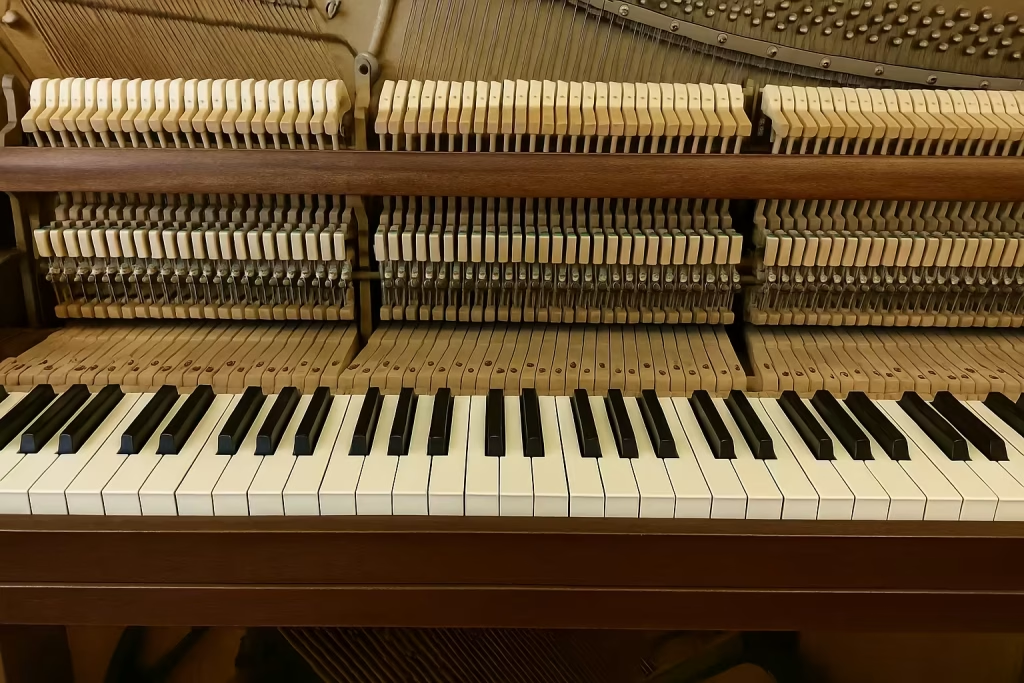
Close-up of upright piano key and hammer mechanism showing how sticky keys can be fixed without a technician

Don’t let sticky piano keys ruin your practice sessions. Learn why keys stick and how to fix them in just 5 minutes without a technician. Keep reading to find out how to keep your piano in top condition.

Problem Identified Instant DIY Solution Trusted Brands & Tools
Keys sticking due to dust, moisture, or neglect Clean keys with soft cloth, compressed air, mild piano cleaner; dry well Piano Life Saver (cleaner), Dust-Off (compressed air), D’Addario Humidipak (humidity control)
Need quick, effective maintenance routine Monthly key cleaning + weekly dusting + humidity control Endust Electronics (dust remover), Hoover Humidifier/Dehumidifier
Persistent sticky keys or odd noises Contact professional piano technician for inspection and repair Certified local piano technicians, Steinway & Sons service centers

Introduction

Nothing disrupts a piano practice session quite like a stubborn sticky key. Whether you’re a beginner or an experienced pianist, encountering keys that don’t respond properly can be frustrating and disruptive to your playing. Fortunately, most sticky key issues don’t require an expensive visit from a piano technician.

In this comprehensive guide, we’ll explore why piano keys stick, how you can fix them in just 5 minutes with simple household tools, and most importantly, how to prevent them from recurring. By understanding the common culprits behind sticky keys and following our step-by-step solution, you’ll be back to playing smoothly in no time. Let’s dive in and restore your piano to perfect playing condition!

Katherine and Michael Dvoskin - Founders of K&M Music School

Music Lessons in San Diego with K&M Music School

1 Expert Music Lessons

We offer Piano, Violin, Cello, Guitar, Ukulele, Saxophone, Bassoon, Harp, Voice, and Toddler group lessons for students of all ages and skill levels.

2 Why Choose Us?

  • 🎶 Boosts focus and self-discipline
  • 🎵 Strengthens cognitive skills
  • 🎼 Enhances cultural understanding
  • 🎤 Builds confidence through recitals

3 We Welcome Adults Too!
Book Your Free Lesson Now

Understanding Why Piano Keys Stick

Common Causes

Dust and Debris

Dust and debris can accumulate on the keys, causing them to stick. Over time, these particles can build up and make it difficult to press the keys smoothly. Regular cleaning can help prevent this issue.

Humidity and Moisture

High humidity levels can cause moisture to build up, leading to sticky keys. Moisture can seep into the piano and affect the key mechanism, making it difficult to press. Controlling humidity levels in your home can help prevent this problem.

Improper Maintenance

Regular cleaning and maintenance are essential to prevent keys from sticking. Neglecting to clean your piano can lead to the buildup of dust and debris, which can cause the keys to stick. By keeping your piano clean and well-maintained, you can prevent sticky keys.

How to Fix Sticky Keys in 5 Minutes

Gather Your Tools

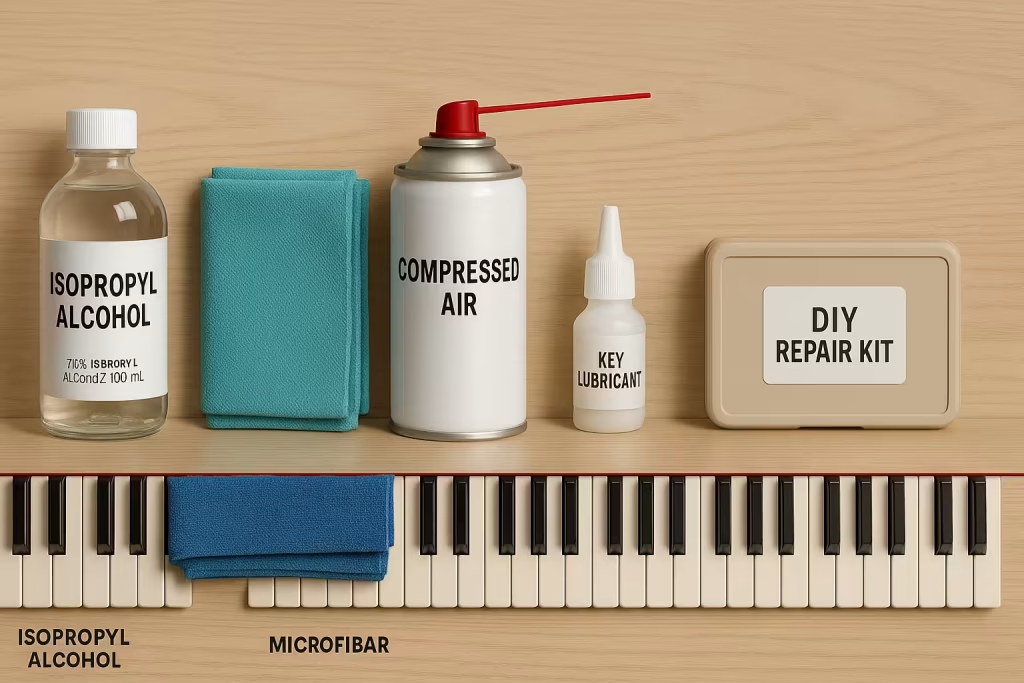
Before you start, gather the tools you’ll need:

  • A soft, lint-free cloth
  • A can of compressed air
  • A mild cleaning solution specifically designed for pianos
  • Cotton swabs for hard-to-reach areas

Having these tools on hand will make the process much easier and more effective.

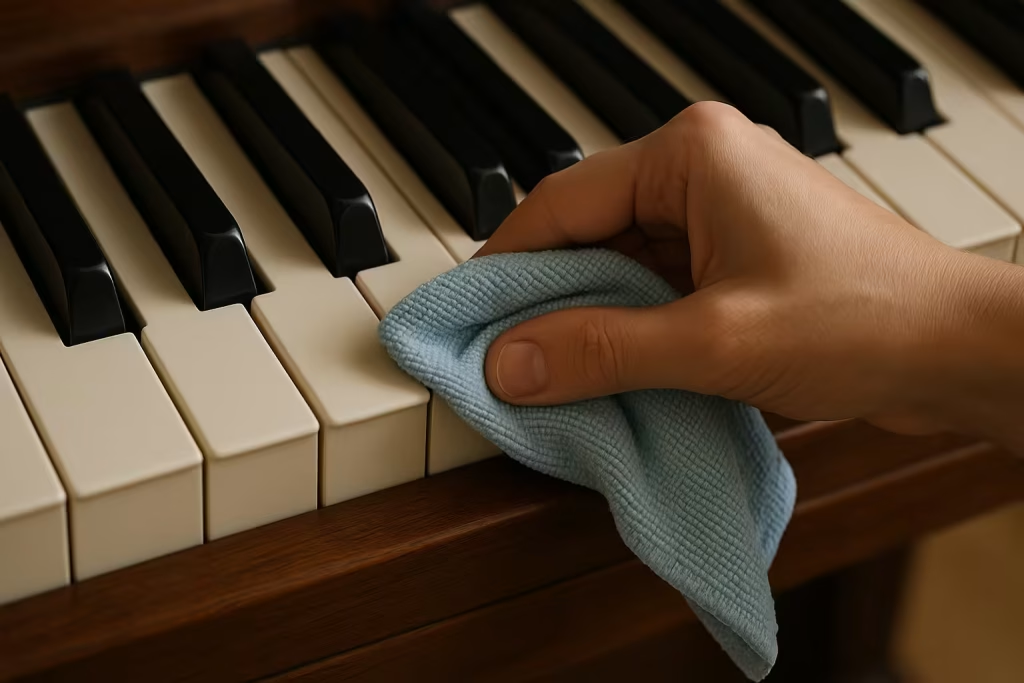
Hand using a microfiber cloth to gently clean piano keys as part of regular maintenance routine

Clean the Keys

Start by using a soft cloth to gently wipe the keys. This will help remove any visible dust and debris. Be sure to clean all the keys, including the black and white keys. Pay special attention to the spaces between keys where dust often accumulates.

Use Compressed Air

Next, use compressed air to remove any remaining dust and debris. Hold the can of compressed air about 6 inches away from the keys and spray gently. This will help dislodge any particles that are stuck in the key mechanism and hard-to-reach areas.

Apply a Cleaning Solution

After using compressed air, apply a mild cleaning solution specifically formulated for pianos to the keys. Use a soft cloth slightly dampened with the solution to wipe the keys, ensuring they are free of any residue. Be sure to follow the instructions on the cleaning solution for the best results.

Dry the Keys

Finally, allow the keys to dry completely before playing the piano again. This will ensure that the keys are free of moisture and ready for use. You can use a dry, soft cloth to gently wipe the keys and remove any remaining moisture. Proper drying is crucial to prevent future sticking issues.

Preventing Future Sticky Keys

Regular Cleaning

Implement a regular cleaning schedule for your piano to prevent dust and debris from accumulating. Aim to clean your piano keys at least once a month and dust the entire instrument weekly. Regular cleaning will help prevent sticky keys and keep your piano playing smoothly for years to come.

Control Humidity

Use a dehumidifier or a piano humidifier system to maintain optimal humidity levels (around 40-45%) in the room where your piano is kept. High humidity can cause moisture to build up, leading to sticky keys and other problems. By keeping humidity levels in check, you can prevent these issues and extend your piano’s lifespan.

Avoid Spills

Be vigilant about preventing spills on or near your piano. If accidents happen, clean up spills immediately to prevent moisture from seeping into the piano mechanism. Liquid can cause significant damage to the internal components, making keys stick and potentially leading to more serious issues that require professional repair.

DIY piano key cleaning kit with isopropyl alcohol, microfiber cloth, compressed air, key lubricant, and repair tools arranged above piano keys

Common Questions About Sticky Piano Keys

When should I call a professional?

While many sticky key issues can be resolved with simple cleaning, some problems require professional attention. If you notice any of these signs, it’s time to call a technician:

  • Keys remain sticky after thorough cleaning
  • You hear unusual clicking or rattling sounds
  • Keys are physically damaged or misaligned
  • Multiple keys are affected simultaneously

What preventive maintenance schedule is recommended?

For optimal piano performance, follow this maintenance schedule:

  • Daily: Close the keyboard cover when not in use
  • Weekly: Dust the exterior with a soft cloth
  • Monthly: Clean the keys thoroughly
  • Biannually: Have a professional technician inspect and tune your piano
  • Annually: Schedule a comprehensive cleaning of internal components

Can temperature fluctuations affect my piano keys?

Yes, dramatic temperature changes can cause the wooden components in your piano to expand and contract, potentially leading to sticky keys. Try to maintain a consistent temperature in the room where your piano is kept, ideally between 68-72°F (20-22°C).

Conclusion

Sticky piano keys can be frustrating, but they’re often a simple fix that doesn’t require professional intervention. By understanding the common causes—dust, humidity, and lack of maintenance—you can quickly resolve most issues in just five minutes using the steps outlined in this guide.

Remember that prevention is key to maintaining your piano in optimal playing condition. Regular cleaning, humidity control, and prompt attention to spills will help ensure your keys remain responsive and your playing experience remains enjoyable.

Whether you’re a casual player or a dedicated pianist, these simple maintenance techniques will help extend the life of your instrument and save you money on unnecessary service calls. With just a little care and attention, you can keep your piano keys moving freely and your music flowing smoothly.

Katherine and Michael Dvoskin - Founders of K&M Music School

Music Lessons in San Diego with K&M Music School

1 Expert Music Lessons

We offer Piano, Violin, Cello, Guitar, Ukulele, Saxophone, Bassoon, Harp, Voice, and Toddler group lessons for students of all ages and skill levels.

2 Why Choose Us?

  • 🎶 Boosts focus and self-discipline
  • 🎵 Strengthens cognitive skills
  • 🎼 Enhances cultural understanding
  • 🎤 Builds confidence through recitals

3 We Welcome Adults Too!
Book Your Free Lesson Now

Call to Action

Ready to fix your sticky keys and improve your playing experience? Gather your supplies today and follow our 5-minute fix. Your fingers (and your piano) will thank you!

Share this guide with fellow piano players to help them solve common keyboard issues and maintain their instruments.

Do you have a piano maintenance challenge we haven’t covered? Leave a comment below, and we’ll address it in our upcoming articles on piano care and maintenance. Sign up for a free trial lesson

FAQ

Can I fix sticky keys myself?

Yes, you can fix sticky keys yourself. This guide shows you how to do it in 5 minutes. You won’t need a technician.

How often should I clean my piano?

Clean your piano once a month. This will stop dust and debris from building up. It helps keep the keys from sticking.

What if my keys are still sticking after cleaning?

If the keys are still sticking after cleaning, you may need to consult a professional. There could be an underlying issue with the piano that requires expert attention.

Can sticky keys damage my piano?

Sticky keys can harm your piano. Dust and debris build up over time, causing bigger problems if not fixed.

How can I prevent humidity from affecting my piano?

Use a dehumidifier to control humidity levels in your home. High humidity can cause moisture to build up, leading to sticky keys. By keeping humidity levels in check, you can prevent this issue.

What kind of cleaning solution should I use?

Use a gentle piano cleaner. Don’t use strong chemicals or rough materials, as they can harm the keys.

How can I tell if my piano needs professional attention?

If you hear squeaking or grinding, or if the keys keep sticking, get help from a professional. They can figure out the problem and fix it.

Katherine Dvoskin, Co-Founder of K&M Music School

Katherine Dvoskin, Co-Founder of K&M Music School

She is co-founder of K&M Music School in San Diego, is a passionate music educator with over 25 years of experience. She offers expert piano lessons in San Diego. At K&M Music School, we teach Piano, Violin, Cello, Saxophone, Bassoon, Harp, Voice, and Toddler group lessons. Katherine's blog shares insights on music education, covering topics from toddler music group lessons to adult music lessons. Whether you're seeking private music lessons or group music lessons for toddlers near you, welcome to K&M Music School.

Leave a comment